by Laura E. Huggins
 Sedgwick, Maine, is the first town in the United States to pass a food sovereignty ordinance. The town officially declared their right to produce and sell local foods of their choosing, without the oversight of state or federal regulation.
According to Grown in the City, “this ordinance allows buyer and seller to enter their own agreement, which overrides the regulation of government when dealing with transactions involving local foods.”
For more on this topic be sure to read PERC Enviropreneur Paul Schwennesen’s recent post on Agrarian Liberty where Paul writes:
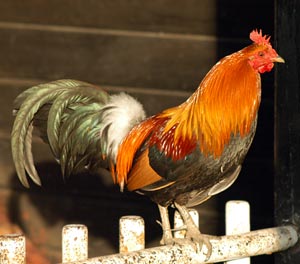
Once upon a time, selling a chicken was not an undertaking fraught with legal implications. Neither was remodeling a shed. Today, however, we live in more enlightened times. Protected from our wayward desires by an empowered bureaucracy, we rest easier knowing that decisions like what we eat and where we habitate is being carefully managed by authorities….It would be wonderful to live in a world where selling a chicken and remodeling a shed weren’t rife with official allegations or burdened with state prohibitions.