After 35 years of civil war in Guatemala, peace has led to a surprising growth in organic farming. During the fighting, farmers abandoned their land allowing native plants to reclaim the cleared fields. As the land lay fallow, the pesticides gradually disappeared from the soil and wild herbs flourished. When the farmers returned, they discovered that produce untainted by chemicals fit perfectly into the rapidly growing market for organic foods in the United States and Europe.
According to ForesTrade, a Vermont-based company specializing in organic produce, some of the healthiest soil in Latin America can be found in Guatemala. Organic certification from for Guatemalan-grown cardamom was obtained from American agencies in only a few months, while the process can take years in countries where pesticides and herbicides have been heavily used.
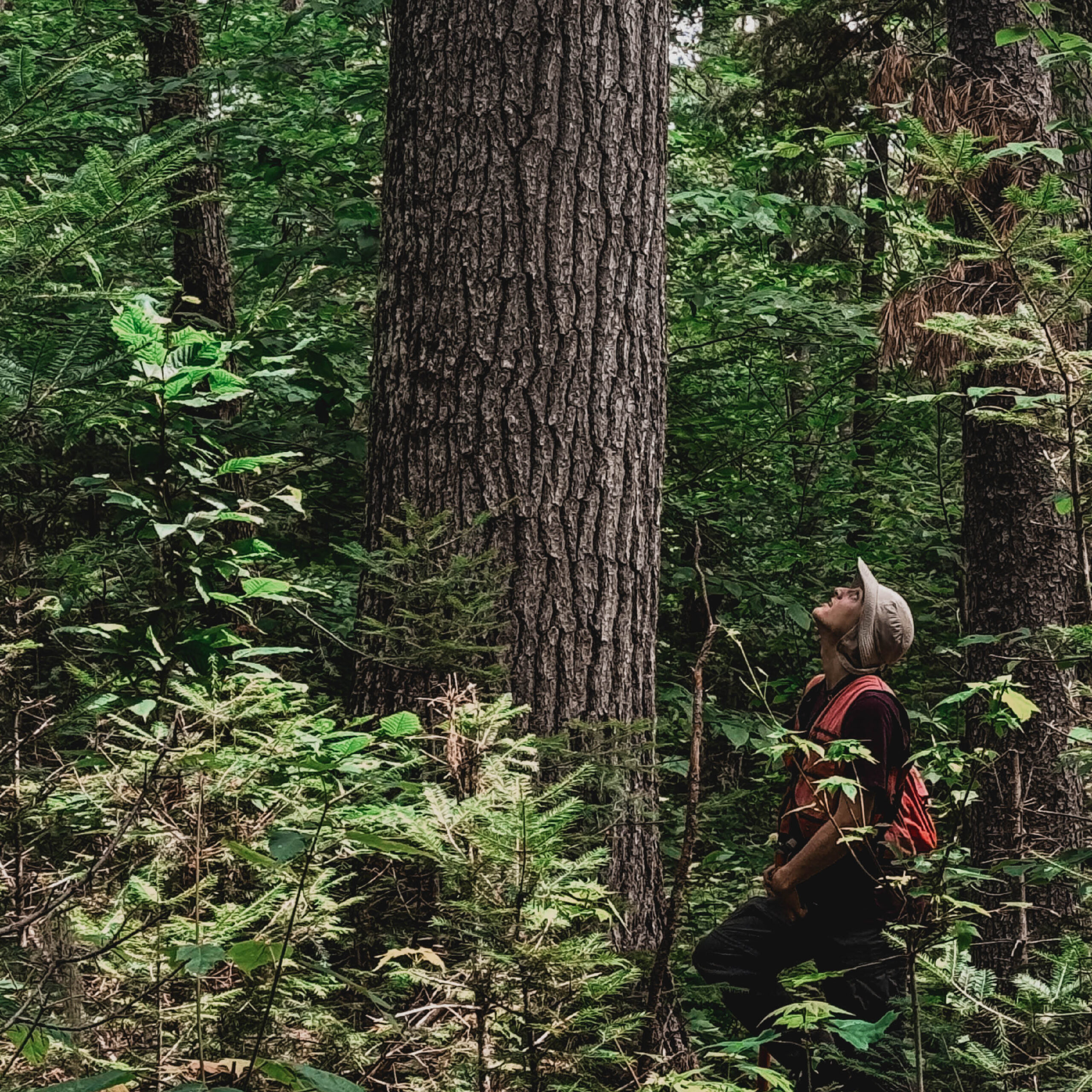
Most peasant farmers cannot afford the chemicals and equipment needed to farm large plantations, but ironically the spices and coffee they grow on small jungle plots command premium prices in an eco-sensitive market. As organic produce has become an important source of income, farmers have abandoned slash and burn methods that destroyed large tracts of tropical rain forest. Cardamom plants that thrive under tall rainforest canopies fetch the highest prices.
Former guerillas are living better, and preserving rain forest habitat in large part because of their access to global markets.
 Wall Street Journal