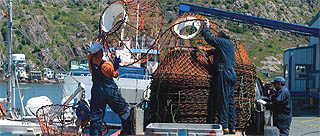
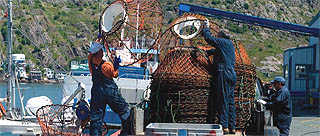
 Ocean overfishing provides a classic illustration of the tragedy of commons. Because no one owns the fish in the sea, there are no incentives for fishermen to constrain their catch. Leaving fish for the future means they are available to others to catch. Government managers have tried to regulate the problem away, but the result has been a wasteful race for fish. A better approach emerged in the 1990s with the introduction of individual transferable quotas (also called catch shares). By receiving predetermined shares of the total allowable catch each season, fishermen are no longer compelled to race for the fish. The economics of a fishery improves dramatically and the fishery becomes more sustainable.
Unfortunately, because catch shares eliminate the problem of too many boats chasing too few fish, some congressional lawmakers with short time horizons are mounting a campaign against them in the name of jobs. To wit, when considering catch shares in a fishery the “Saving Fishing Jobs Act of 2011” defines fishermen as all permit holders, whether they have a record of catch or not, and requires 2/3 of them to approve a new catch share program. Non-fishing permit holders are likely to oppose a catch share program because their initial allocation is little, if any, share of the fish.
Ironically, such a ploy only serves to lock a fishery into a lower paying seasonal jobs instead off higher paying year-round jobs. Is it better to have 10 seasonal paying jobs earning poverty level wages of $7,000 a year under a race for fish or five year round fishing jobs earning $50,000 without the race? These tradeoffs should be weighed when lawmakers tout that they are saving jobs.
The political campaign at the national level now being mounted against catch shares illustrates another important lesson: When it comes to relying on higher levels of government to define property rights the costs of establishing those rights should be considered. Granted, given its monopoly on legitimized coercion, government can overcome the problem of enforcement, but there are information and rent-seeking costs to consider. These costs are likely to be much higher at the national level than relying on lower levels of governance or private collective action (see Fred McChesney’s work on “Government as Definer of Property Rights“).
In short, the change that catch shares create in the nature of fishing jobs–from a larger, part-time, more seasonal workforce to a smaller, full-time, higher paid work force–is both economically and ecologically superior in the long run.