iStock.com/MHGALLERY
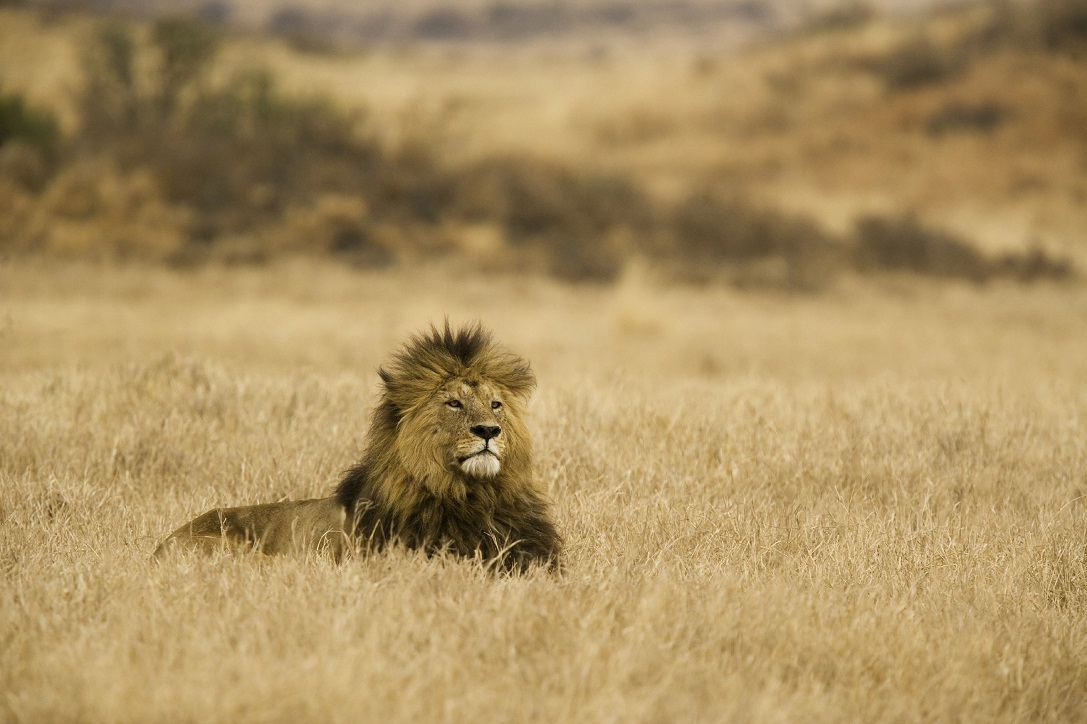
The day that Cecil the lion made headlines, PERC was hosting a research workshop on Wildlife Conservation, Trade, and Property Rights. For three days, a diverse group of wildlife experts, including economists, philosophers, and professional conservationists, gathered to share and discuss their original research on wildlife. Central to the workshop discussions was the challenge of protecting charismatic species, such as lions, that are highly valued by those who appreciate that these elegant species exist and others who value the species for consumptive purposes. The group concluded that an approach to conservation that focuses on results, and incorporates property rights is necessary to protect these species.
Among wildlife advocates, there is an apparent schism in beliefs about how to best conserve species. Opposing belief systems can be illustrated by the reactions to the killing of Cecil the lion. Two distinct ethical convictions, a utilitarian and a preservationist ethic, underline polar views on wildlife conservation.
A utilitarian conservation ethic embraces the sustainable use of individual animals so long as evidence demonstrates that this use can protect entire species or habitats. These conservationists seek to harness market forces and engage communities for the protection of species. As one PERC workshop participant put it, successful conservation must “incentivize landowners to think of wildlife as an asset and not a liability.”
In contrast, preservationists and animal welfare groups often take an uncompromising approach to conservation, focused more on morality than on reality. In their eyes, any consumptive use is fundamentally inconsistent with wildlife conservation. Preservationists emphasize saving every individual animal and conserving species or habitat, even when the two goals may run counter to one another. Accordingly, they reject any possibility of cooperating with those who would pay enormous sums of money to hunt or use wildlife products. Instead these groups advocate for outright bans on hunting and violent anti-poaching campaigns. Such wildlife groups have been enormously successful fundraisers: an unambiguous narrative that anthropomorphizes charismatic animals is an easier sell than the complexity of sustainable wildlife management.
Many scholars at PERC’s wildlife workshop argued that if endangered species are to be protected, conservationists must take a more pragmatic approach. Solutions that incorporate property rights can allow conservationists to balance competing demands for species with both a high commodity value and a high existence value.
Done right, trophy hunting of lions provides an illustrative example of how this approach can work. Trophy hunting can effectively incentivize local people to view wildlife as an asset that is worth protecting instead of a liability. Zimbabwe’s CAMPFIRE program, for example, has brought millions of dollars in revenue to local communities by allowing quota-based sport hunting. The World Wide Fund for Nature, the US Fish and Wildlife Service, and CITES (Convention on International Trade in Endangered Species) all agree: if done legally, sustainably and under the right conditions, hunting can be a positive force for conservation.
To be clear, the killing of Cecil did not meet any conservation criteria. No true conservationist, regardless of ethical beliefs, supports the poaching of endangered species. However, following the uproar surrounding Cecil’s death, animal welfare groups, such as the International Fund for Wildlife and PETA, have lobbied to put an end to all trophy hunting, regardless of the circumstances. In the face of this pressure, Zimbabwe temporarily suspended trophy hunting and three major U.S. airlines have decided to no longer transport big-game trophies from Africa.
This is unfortunate. Preservationist ethics are a poor guide for the difficult decisions needed to protect wildlife. Whether or not trophy hunting can contribute to the conservation of endangered species is a factual, not an ethical, question. As conservationists we must ask ourselves: is abandoning a key tool to protect endangered species morally justifiable?