 While rampant illegal logging takes place around them, two indigenous communities in Nicaragua have banned together to harvest wood in a sustainable manner and to act as a buffer for Nicaragua’s largest protected area. Indigenous people own and manage more than 54,000 acres adjoining the 1.8 million-acre Bosaws Reserve. With help from conservation groups, they are learning to harvest marketable wood in a manner that protects the soil and does not disturb the waterways or endanger biodiversity. Their goal is to gain certification from the Forest Stewardship Council, thus adding value to their product.
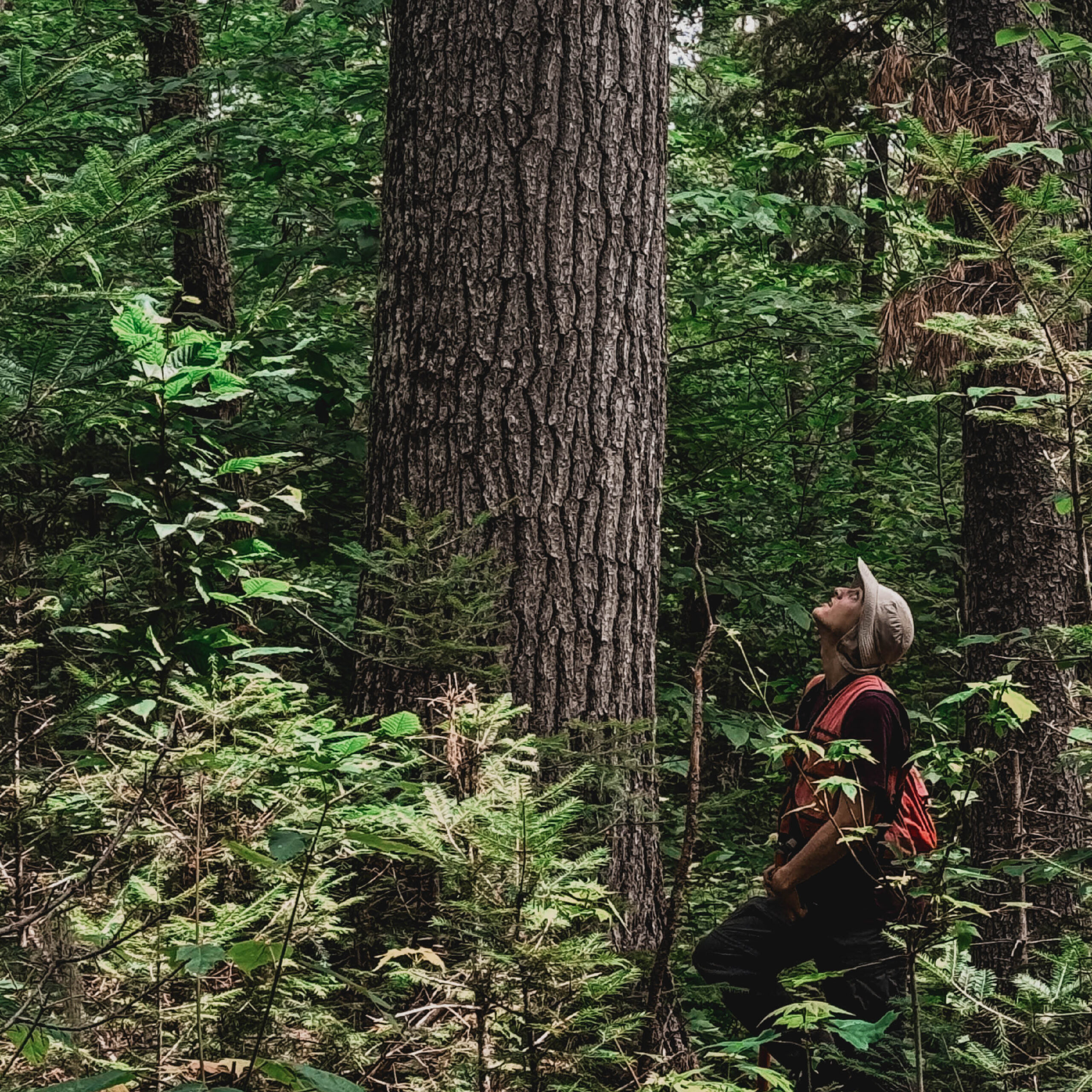
Forest experts teach them how to encourage the growth of marketable trees such as mahogany as well as the best methods for replanting following a harvest. They must also prune back competing vegetation. In addition to replanting their own land, they are involved in replanting nearby areas that have been illegally cut.
One of the most exciting aspects to their involvement in the forestry project is the opportunity to introduce several new species of trees as yet unknown to international buyers. So, in addition to improving their forestry skills, they also will be learning how to market their products. By reaping greater economic value from their forests, they will be able to reduce the amount of farmland they cultivate in once-forested areas. Many villagers are also being trained by national and international agencies to fight forest fires in order to protect their own forests as well as those in the reserve.
The prospect of developing new markets and adding value to their current products will allow these native peoples to remain living and working in their forest communities for many years to come. At the same time, it will significantly increase their standard of living.