
Jonathan Adler
PERC Visiting Fellow
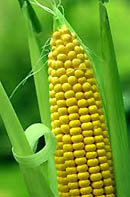 Grist reports on a class-action suit that is being filed against ConAgra for allegedly deceptive marketing of its various vegetable oils. The core of the complaint seems to be that some ConAgra products, such as Wesson corn oil, are labeled as “100% natural” even though they contain oil from genetically modified corn. If something comes from a GMO (genetically modified organism), they complainants allege, it cannot be “natural.” It’s an interesting argument, particularly as the federal government has not issued guidelines as to how companies may use the word “natural” in their marketing.
It’s somewhat ironic that the plaintiffs in this litigation have elected to go after corn oil, however. If the charge is that it is misleading to call something “natural” if it cannot occur naturally in nature, then no corn products would qualify, ever. This is because corn itself does not “occur naturally” in nature. Rather, it isthe product of human cross-breeding and hybridization, albeit hybridization that occurred thousands of years ago. Indeed, nearly all crop varieties, so-called “GMOs” or otherwise, are human-modified strains that would not occur naturally in nature. Corn is simply a more extreme example in that it is farther removed from its natural cousins than other crops.
I don’t know whether the history of corn and other crops will affect the outcome of this suit. Even if it’s hard to argue (as a scientific matter) that “GMO corn” is less natural than “non-GMO corn,” other types of oil are also part of the suit and words like “natural” have common colloquial meanings quite apart from the scientific reality. But whatever the legal outcome, the suit illustrates how the conventional use of terms like “natural” to modern crops has little relationship to how those crops were actually developed.
Originally posted at the Volokh Conspiracy.