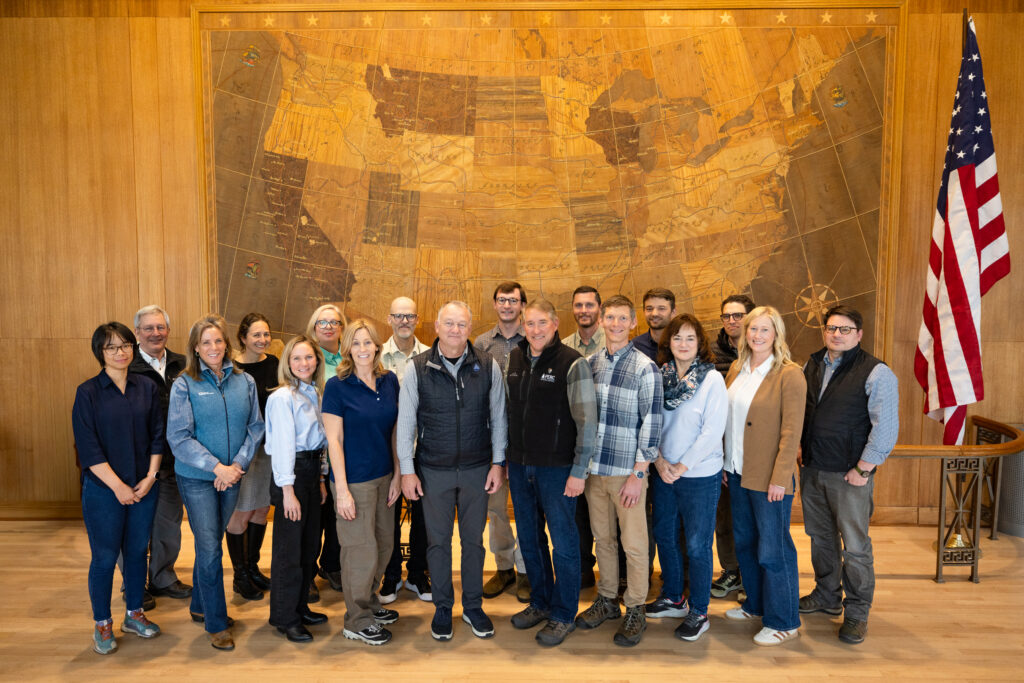
This month, PERC hosted some of the country’s leading national park officials, researchers, partners, and policy experts at Mammoth Hot Springs in Yellowstone National Park to discuss the future of America’s “best idea.” Dubbed “The Future of National Park Stewardship,” the workshop focused on the most pressing challenges and promising opportunities facing America’s national parks.
The gathering brought together a wide-ranging group of people who care deeply about the National Park System but play different roles in its stewardship. Participants included Yellowstone National Park Superintendent Cam Sholly, who welcomed attendees warmly, as well as other park superintendents and officials representing parks in Alaska, Olympic National Park, San Antonio Missions, and more. A group of economists, social scientists, and policy researchers also joined, bringing expertise on visitor experience, park management, funding mechanisms, and institutional reform. Also attending were representatives from the National Park Foundation and Yellowstone Forever.
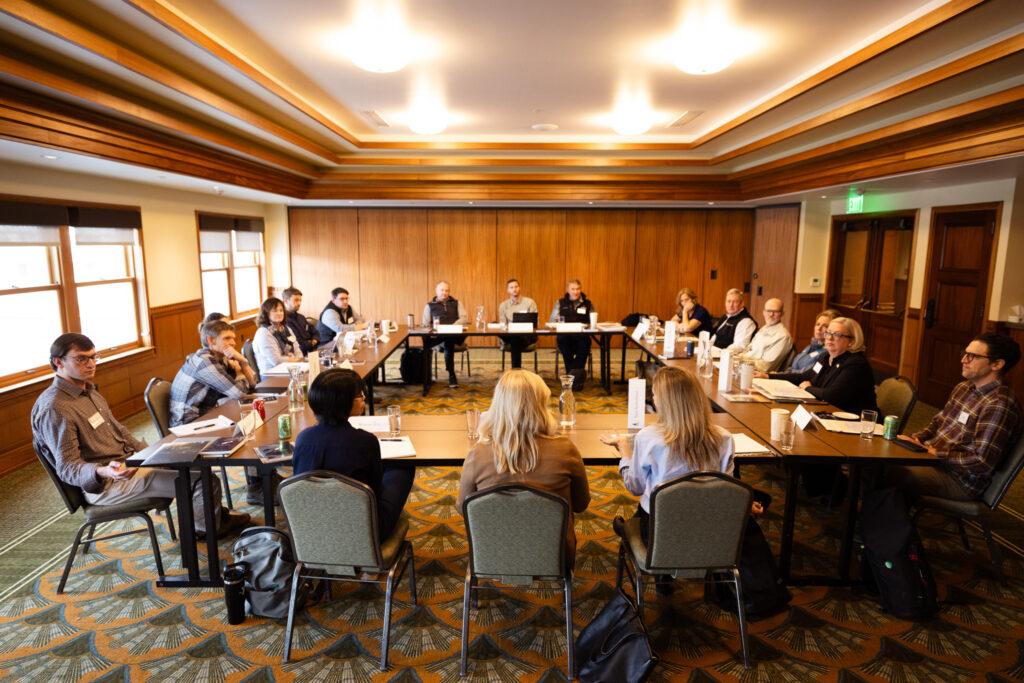
The workshop reflected a type of opportunity PERC often seeks to create: a setting where practitioners and researchers can exchange ideas in real time and learn from each other. Participants grappled with some of the biggest issues facing national parks, including shifting visitation patterns, aging infrastructure, funding constraints, emerging technologies, and the enduring challenge of balancing resource conservation with public enjoyment.

The timing and setting for the conversations were fitting. National parks remain among the country’s most popular public institutions. The National Park Service has recorded more than 320 million recreation visits annually for the past three years, with many individual parks setting visitation records during that period. At the same time, the agency faces $24 billion in overdue maintenance and repair needs across thousands of structures, utility systems, roads, trails, and other park infrastructure.
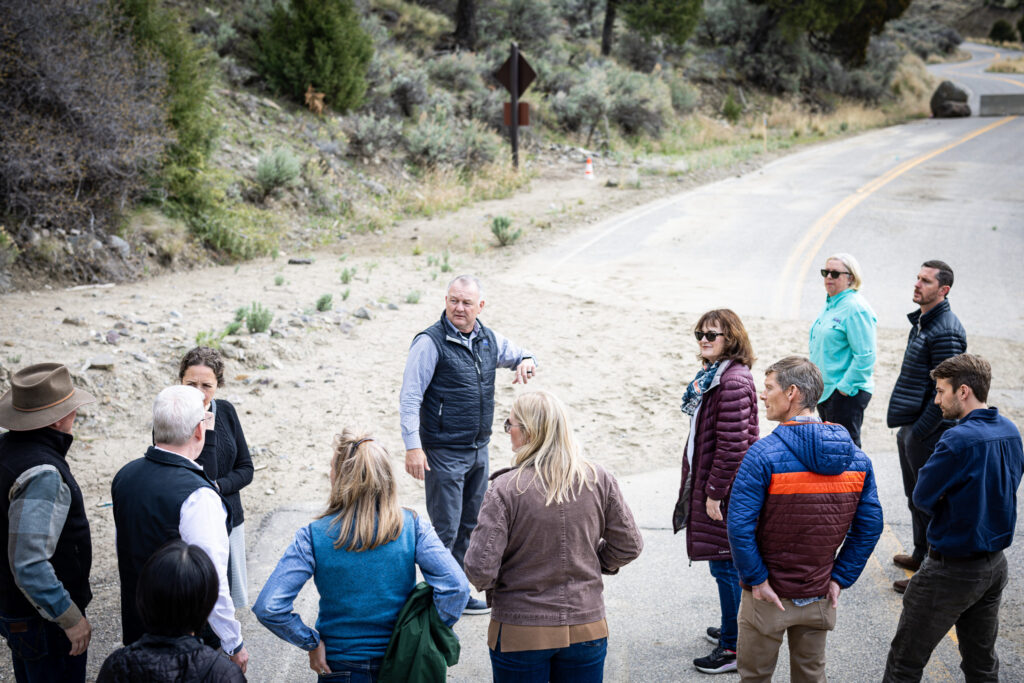
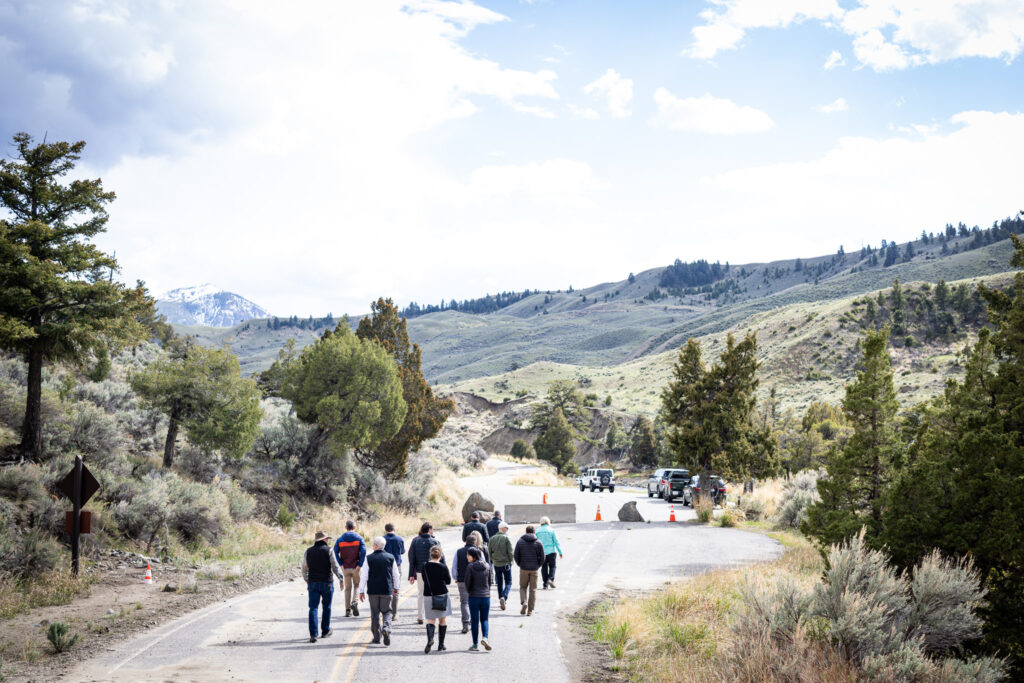
Those numbers are not abstract in Yellowstone, which alone faces an estimated $1.2 billion in deferred maintenance. In 2022, severe flooding washed out the park’s north entrance road near Gardiner, Montana, and forced the park to close for nine days as record water levels damaged roads, bridges, buildings, and infrastructure in nearby gateway communities. During the workshop, Superintendent Sholly led participants to the flood-damaged area to observe one type of challenge superintendents confront: sudden natural disasters that create expensive and urgent infrastructure needs. The visit underscored that deferred maintenance is not a static backlog. When park assets are not repaired on schedule, costs compound, and park leaders are left to make harder choices with limited and often unpredictable funding—especially during crises.
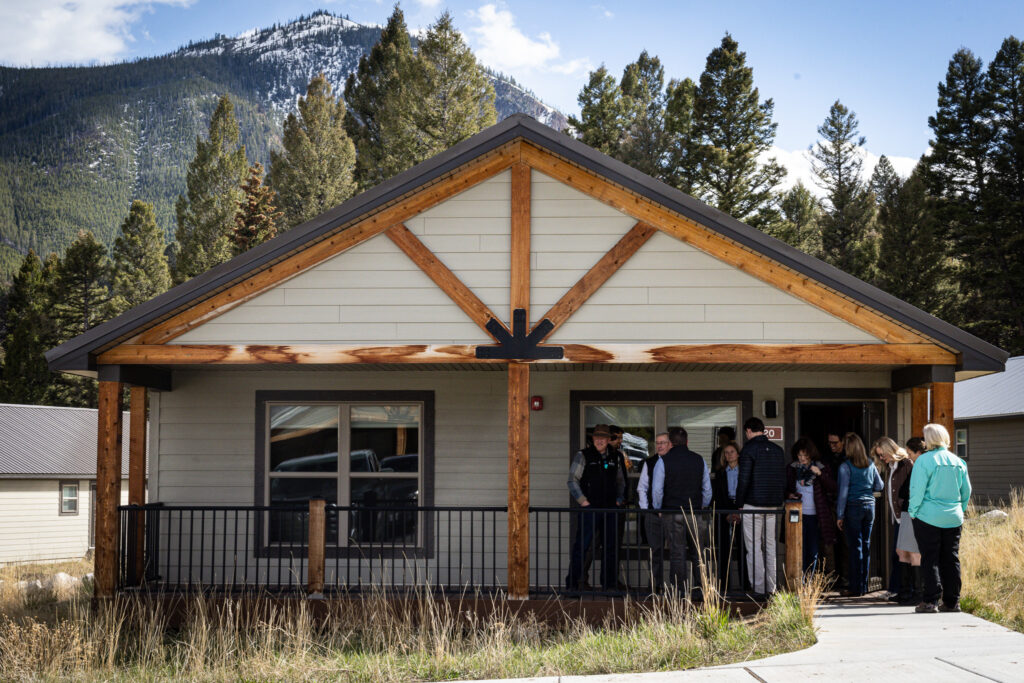
On a more uplifting note, attendees also toured new modular employee housing that Yellowstone has installed in recent years to replace outdated trailers, some of which had become unsuitable for park staff. By using modern building approaches and drawing on significant philanthropic support, the park has improved employee housing at far lower cost than traditional construction would have required. The effort offered a practical example of how creative partnerships, superintendent initiative, and flexible problem-solving can help parks address persistent management challenges.
Across the sessions, a common theme emerged: Park superintendents and their staff often know their parks’ needs best, but they need better tools, better information, and greater flexibility—with appropriate accountability—to respond to local challenges. Participants discussed how the legal and institutional history of the National Park System has shaped debates over conservation, preservation, recreation, and public enjoyment, while also asking how today’s managers can move beyond abstract tensions toward practical solutions. They also explored how research and technology can help parks reduce costs, improve safety, manage visitation, and make better decisions—so long as those tools serve real management needs and preserve the experiences visitors seek. The workshop repeatedly showed the value of putting researchers and park practitioners, with their different but complementary knowledge and experiences, in the same room.
For PERC, those conversations highlighted that the future of national park stewardship is about much more than how much money parks receive. More fundamentally, it is about how park leaders are empowered to use resources, respond to incentives, test ideas, and adapt based on what works. That requires institutions that can connect research to practice, give managers room to solve problems, and help successful experiments spread across the park system. By bringing together practitioners, researchers, and partners in Yellowstone, PERC is advancing a conversation about how to build that capacity—and how to ensure that America’s national parks remain both conserved and enjoyed for generations to come.