At dawn one morning in April, 1772, Ebenezer Mudgett led a group of New Hampshire sawmill operators to their local sheriff’s door, tree switches in hand. By the time they’d finished with him, the sheriff and his deputy had been beaten and run out of town, on horses whose ears had been cropped and manes shaved. It may not have been colonial America’s finest hour, but the grievance was real.
For decades, the British Crown’s Broad Arrow Policy had sent royal surveyors into New England forests to mark the tallest white pines—trees worth considerable sums as ship masts—with three axe cuts. Regardless of whose land they grew on, those marked trees belonged to the Crown. Colonists were forbidden from selling, milling, or profiting from them. By expropriating private resources, the Crown gave colonial landowners every incentive to cut their timber before it reached the prohibited 24-inch diameter. Or, in the case of Mudgett and his neighbors, they outright revolted.
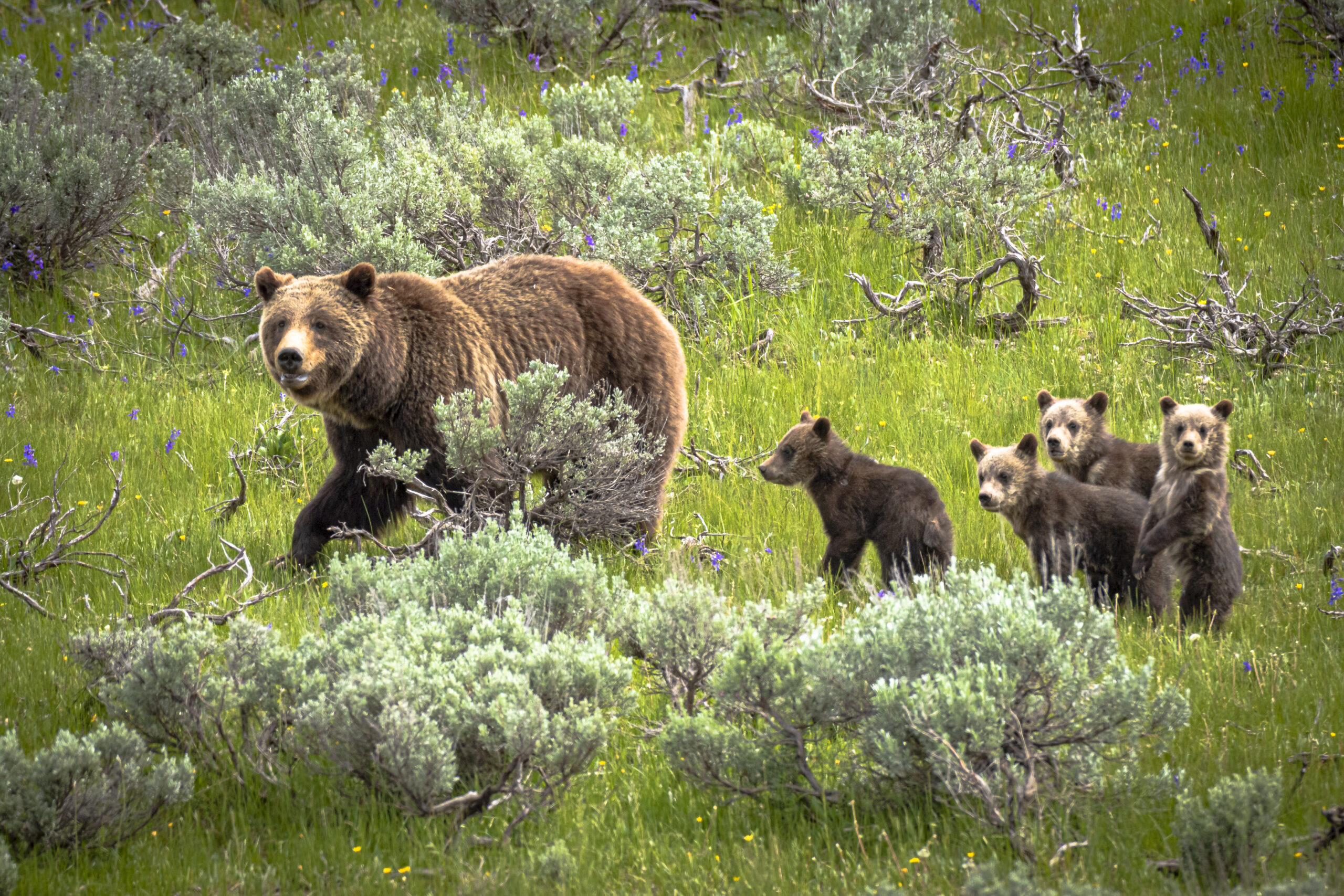
The Broad Arrow Policy wasn’t the last time that American regulation turned natural resources into a liability rather than an asset. More recently, landowners who fear that harboring habitat for the endangered red-cockaded woodpecker will trigger federal restrictions have had incentive to clear the land before the bird arrives. A policy intended to protect the woodpecker creates pressure to destroy its habitat instead.
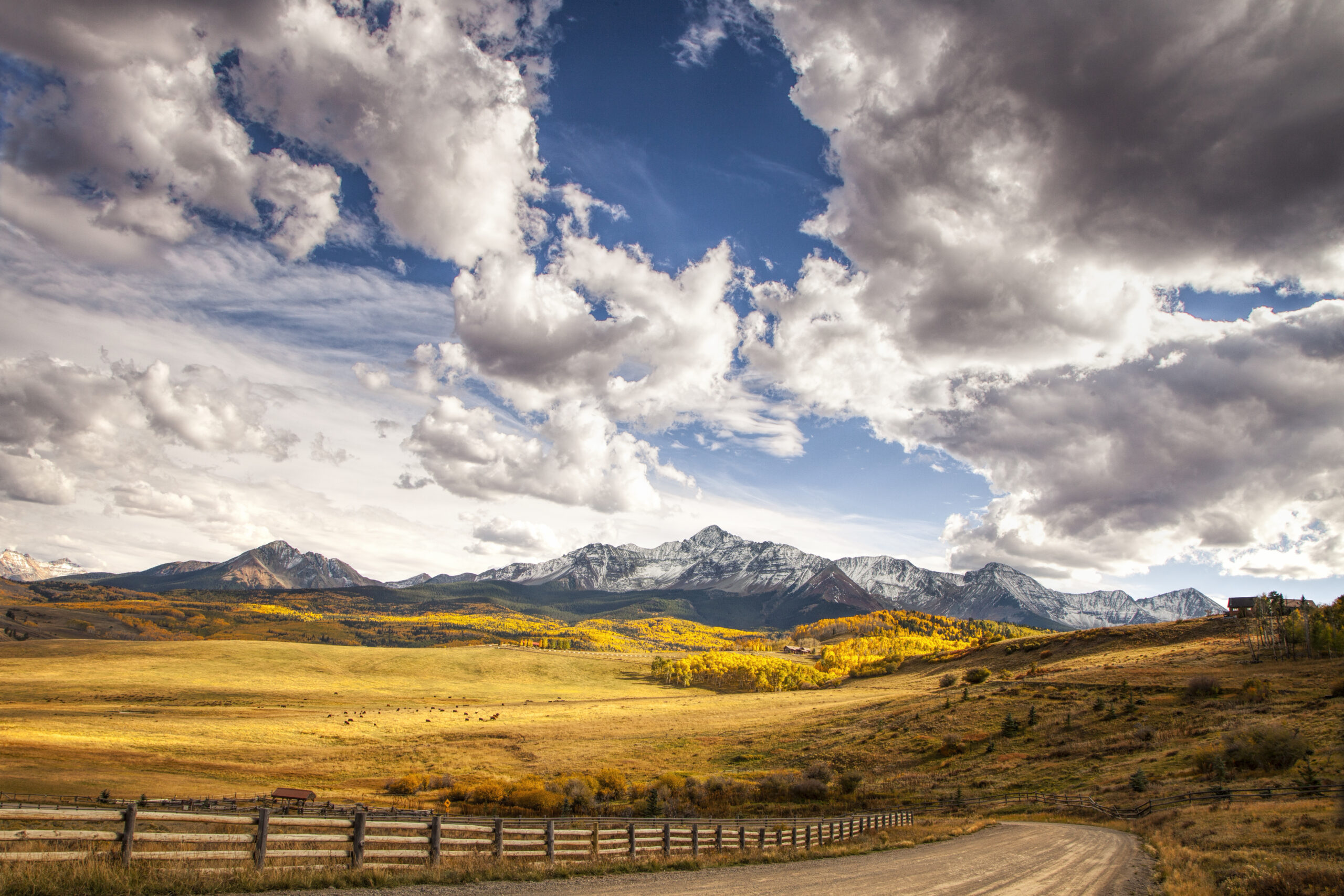
At its best, the American conservation tradition has worked the other way—by aligning the interests of private landowners, ranchers, hunters, and locals generally with the lands, waters, and wildlife they depend on. This issue, published as the nation marks its 250th year, traces that tradition across two centuries and a continent: from its philosophical roots in the founding era, through the recovery of species that have come to symbolize the country, to the market innovations that have quietly conserved millions of acres. What links these stories is a distinctly American approach: not preservation through prohibition, but conservation through private ownership, voluntary participation, and aligned incentives.
Perhaps nothing better illustrates that tradition than the story of New England’s forests. By the mid-19th century, Vermont was mostly deforested—hillsides had been cut for farms, fuel, and timber. Eventually, agriculture moved west, marginal farms were abandoned, and the forests came back. Today, more than three-quarters of Vermont is forested, compared to roughly one-quarter at the peak of large-scale clearing. The same broad trend holds for much of the Northeast. The recovery happened largely on private lands—by far the most common ownership category in the East—through ordinary economic decisions: when farming stopped making sense, landowners let fields go, and succession did the rest.
Two hundred fifty years ago, royal surveyors marked the best trees for the king. Today, the trees that grow on those lands belong to whoever holds the deed. The forests are much better for it.