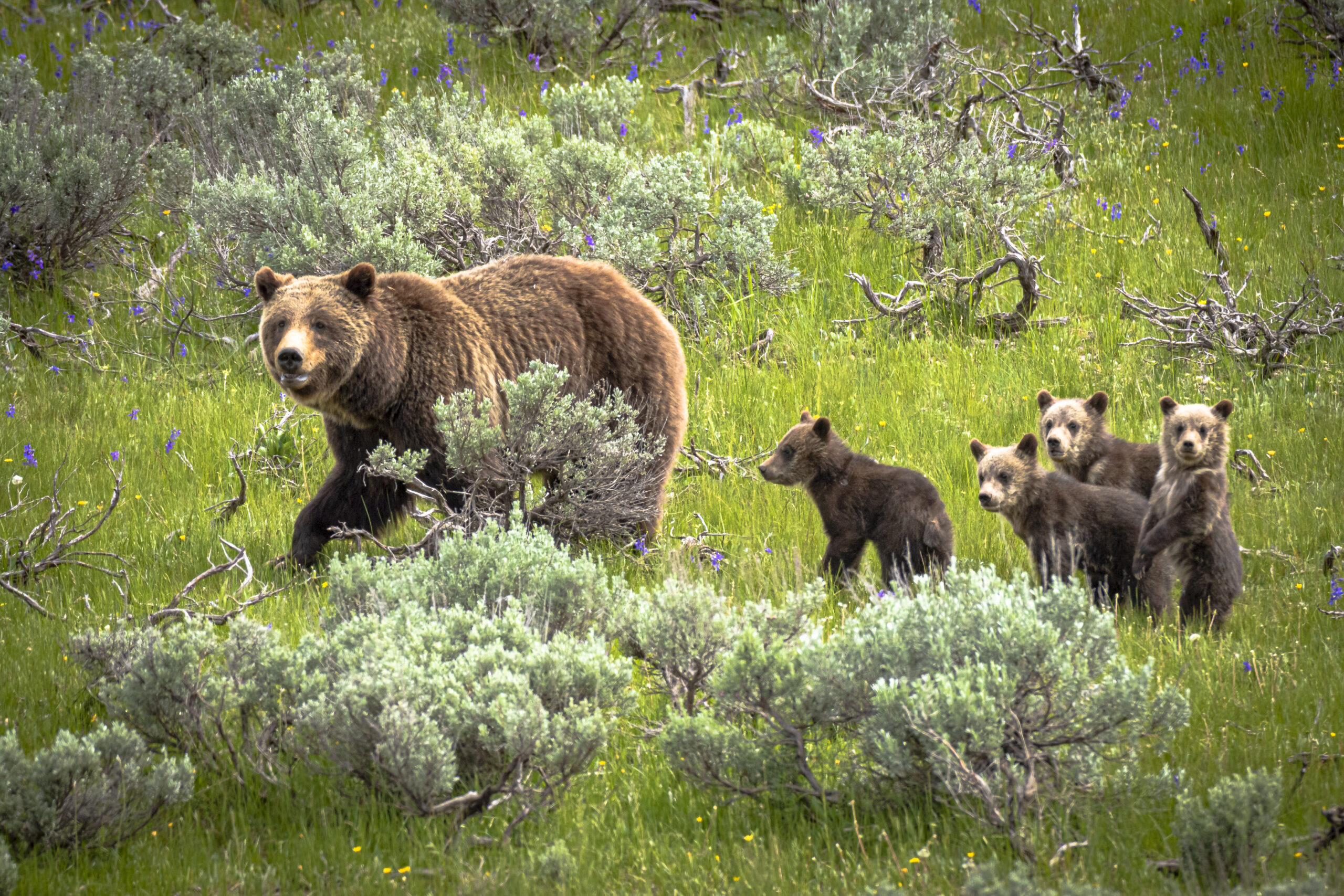

Cashing in on wildlife snaps.
In Indonesia’s West Kalimantan province, a program called KehatiKu is turning locals into paid wildlife observers. Run by Borneo Futures, the program pays residents to document wildlife sightings via a smartphone app, with payments ranging from 29 cents for common birds to $6 for a verified orangutan sighting—enough that dedicated observers can earn the equivalent of a full-time local wage. In just one year, the program enrolled more than 800 observers across nine villages and collected 175,000 records of species from gibbons to flat-headed cats. Several villages have banned hunting to conserve the wildlife that now pays their bills. In Borneo, an orangutan used to mean stolen fruit from local gardens. Now it means a paycheck.A proposed titanium mine near Georgia’s Okefenokee Swamp came to an abrupt end this summer when The Conservation Fund purchased nearly 8,000 acres from Twin Pines Minerals for about $60 million. After years of permitting battles and public opposition, the mining company agreed to sell—transferring both land and mineral rights into conservation ownership. What had been slated for excavation will now remain intact and provide an enormous buffer along the refuge’s eastern boundary. In the end, the property’s fate turned not on regulatory rulings but on a closing date and a signed deed, preserving one of North America’s last great blackwater swamps.
Small landowners, big technology.
The Sheridan Community Land Trust is launching a three-year program to bring virtual fencing to small producers in northern Wyoming. High upfront costs have kept the technology out of reach for many, but the land trust is overcoming that obstacle by providing collars, covering internet fees, and splitting subscription costs—cutting the annual per collar price from $90 to $45. For ranchers, the payoff is practical: less fencing to build and maintain, improved control over grazing practices, and new ways to protect riparian areas. “That balance between production and stewardship is something our producers already care about,” said Director John Graves. Working with up to 10 producers in the Sheridan area, the group aims to show that cutting-edge tools can work for smaller landowners.


Robot wolves take on Japanese bears.
Amid a record number of bear attacks in Japan, including 13 fatal ones, people are pivoting toward a high-tech solution: robot wolves. Ohta Seiki, a small firm based in Hokkaido, faces unprecedented demand for its $4,000 robotic “Monster Wolf.” The bionic canine has an infrared sensor that detects and deters wild animals with 50 variations of loud noises—including a wolf howl—glowing red eyes, blue under-lighting, and neck undulations. It’s all powered by a 12-volt car battery, and can be equipped with a solar charging panel, making it optimal for remote locations. Ohta Seiki has plans to expand its offerings with a handheld Monster Wolf for hikers, anglers, and schoolchildren, while leveraging AI cameras to improve its anti-bear tech, showing how markets encourage ingenious responses to human-wildlife conflicts.
Securing land rights, far out.
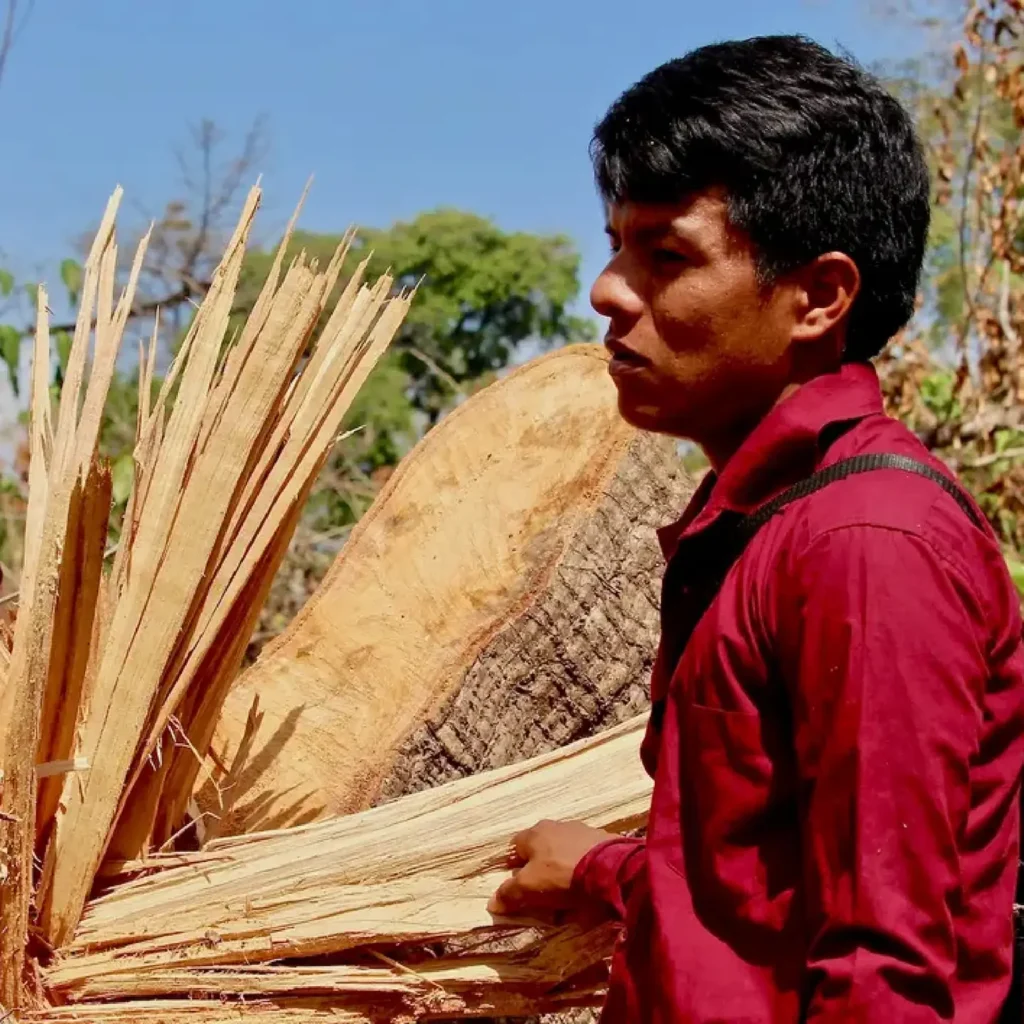
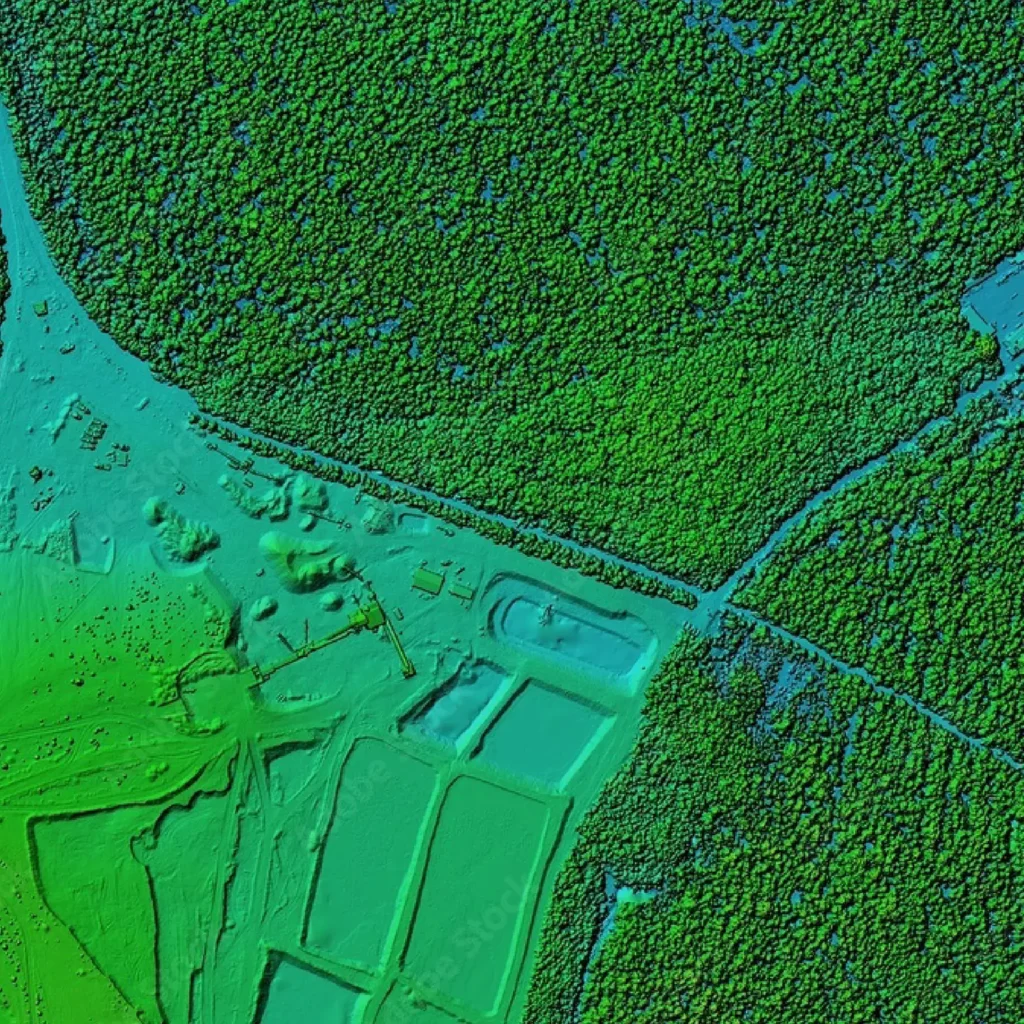
The Indigenous Wounaan people of Panama have a solution to combat illegal deforestation on their lands: mapping software and forest monitors that pinpoint sites of extralegal land clearing, then submit infractions to Panama’s environmental ministry. Since 2021, the Wounaan have filed eight complaints concerning more than 300 acres of illegal clearcuts. Without mapping technology, the Wounaan had no verifiable evidence to present to authorities. The technology transformed their complaints from word of mouth into documented, precise legal filings to the ministry.
AI at the edge of the forest.
Oceanographers are repurposing dormant fiber-optic cables off America’s largest private landowner is betting that artificial intelligence can transform forestry, from seedling to sawmill. Weyerhaeuser, which manages timberlands the size of Indiana, is building a digital twin of its forests using satellite imagery, drone photography, and lidar to catalog the size, species, and spacing of every tree it owns. AI-trained drones now calculate seedling survival rates that once required foresters to count trees by hand on steep terrain. And the company is piloting remotely operated skidders—equipment operators 400 miles away maneuver logging machinery with AI-assisted navigation—with an eye toward complete autonomy across the entire logging process. The goal: double annual profits by 2030, by squeezing efficiency out of 125 years of accumulated forest data. Markets can reward what gets measured, and Weyerhaeuser is trying to measure every tree.
Mangroves put down roots again.
Coastal mangrove forests—one of nature’s most valuable forms of infrastructure—are making an unexpected comeback. In a study published in Science, researchers using satellite imaging found that since 2010 the world has been gaining more mangroves than it’s losing. “This is good news for mangroves—there are more of them than we thought, and they are showing their resilience,” Dr. Pete Bunting, one of the authors, told the BBC. The progress marks a reversal after decades of decline driven by coastal development and fish farming. Restoration efforts have helped forests recover and stabilize in Indonesia and Myanmar. For communities on the front lines of intense storms and rising seas, cooperation and firsthand experience have proven the mangroves’ most powerful conservation tools.