In a laboratory at Colorado State University, Jennifer Barfield has spent more than a decade solving a problem that has vexed bison managers for the past century. Barfield studies animal reproduction, and the bison she works with descend directly from Yellowstone National Park’s wild herd. They also carry brucellosis, the disease that could threaten cattle if infected bison wander outside the park.
Working with the U.S. Department of Agriculture, Barfield developed a method to “wash” the bacteria that causes brucellosis out of bison sperm and embryos in vitro, resulting in calves that are free of the disease yet still genetically Yellowstone bison. The achievement “allowed for the successful breeding of bison directly descended from the Yellowstone herd,” she told The Colorado Sun last year, without the disease that ranchers and wildlife managers fear. The breeding program created the Laramie Foothills Bison Conservation Herd, a closed, certified-brucellosis-free herd near Fort Collins that has sent more than 125 animals to 11 tribes since 2015.
A Disease That Came with Cattle
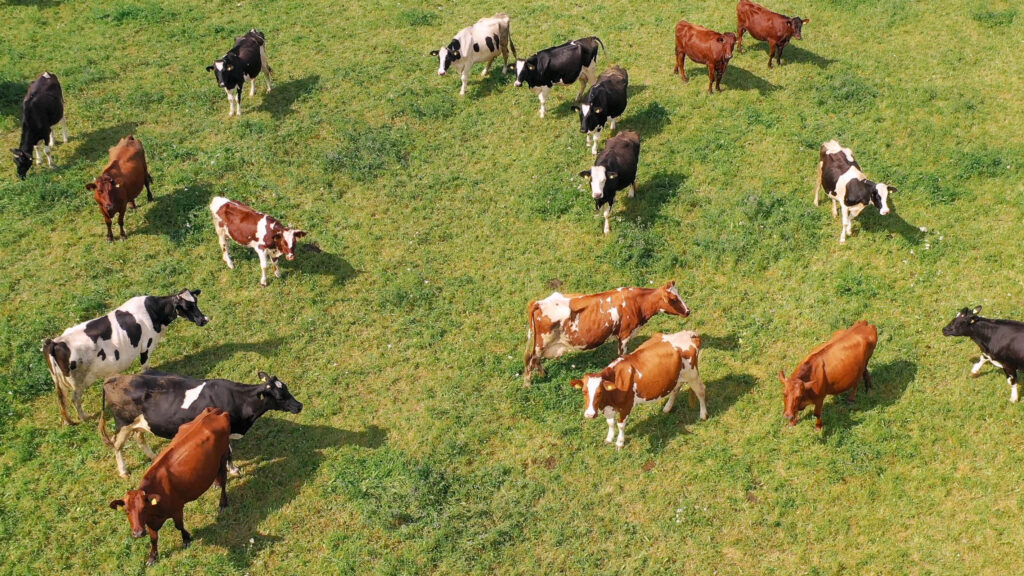
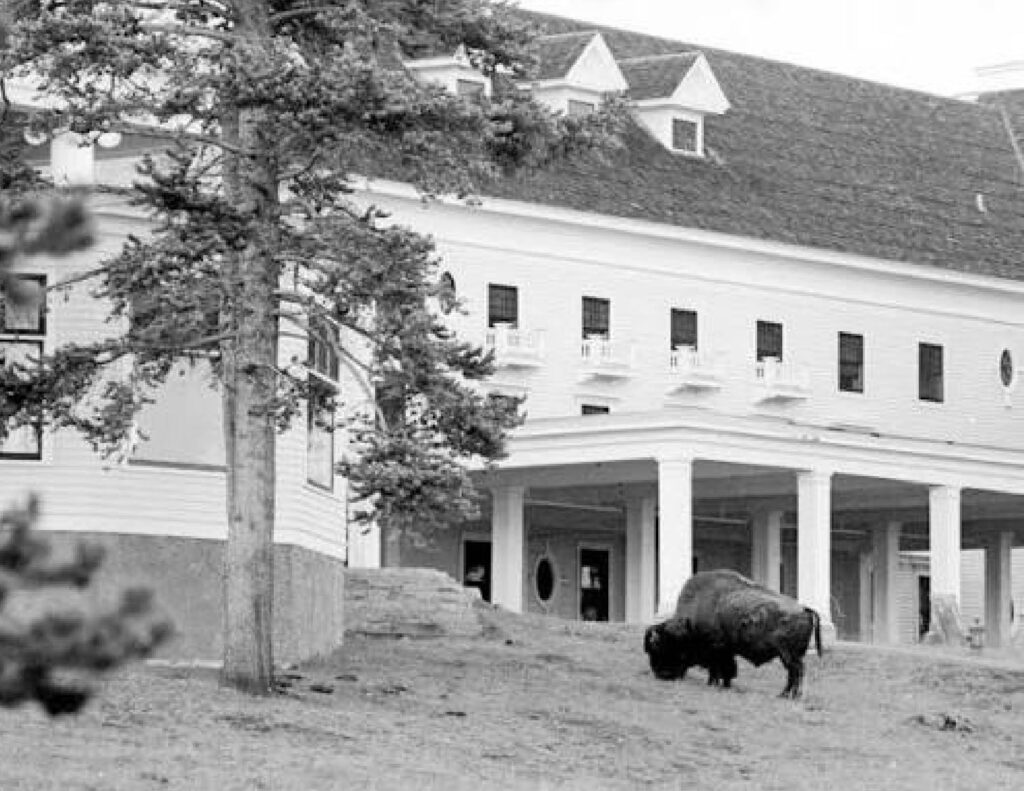
Nearly everything about how bison are managed in the Greater Yellowstone Ecosystem reckons with brucellosis. Caused by the bacterium Brucella abortus, the disease triggers miscarriages and premature births in cattle, horses, elk, and bison alike. The disease is not native to North America. It arrived with European livestock, was identified in American cattle by 1910, and reached Yellowstone’s bison within seven years—most likely from dairy cows that hotel concessionaires kept in the park’s early days.
For most of the 20th century, brucellosis was a national problem, moving through cattle herds across the country until a decades-long eradication campaign all but wiped it out. By the late 2000s, the entire United States was effectively free of cattle brucellosis, with one exception: the Greater Yellowstone Ecosystem, where the disease continued to circulate in wild elk and bison. The region is now the last reservoir of Brucella abortus in the country. That’s why Yellowstone’s bison are so heavily monitored and tested—and so often captured and killed when they leave the park—for fear that one will carry the disease across the boundary into a cattle herd.
The cost to a ranching family from brucellosis is real. A single positive test can force the quarantine of an entire herd—at a cost of nearly $150,000 for a herd of 400, by one estimate—or, worse, depopulation, the slaughter of every animal. For ranchers living on margins of $40,000 or less per year, who have worked for generations to build cattle herds suited for their geography, the threat keeps families awake at night. That risk shapes how welcome wildlife is on private land. States are also deeply motivated to prevent transmission. Too many transmissions and a state risks losing its USDA-certified brucellosis-free status, which could limit cattle sales for all ranchers within the state.
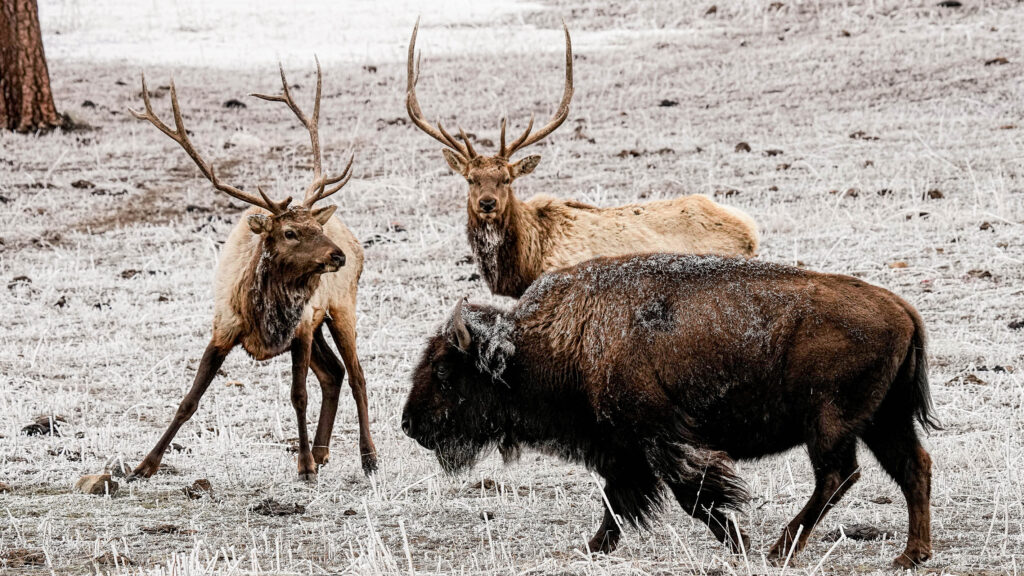
The irony is that while cattle brought brucellosis to the ecosystem, public sentiment often scrutinizes wild ungulates as the primary vector of the disease. Yet wild bison have never been documented transmitting brucellosis to cattle under natural conditions. Elk have, some two dozen times.
Tools Catch Up
Slowly, solutions are catching up to the problem. Barfield’s clean herd is one example. So is Yellowstone’s Bison Conservation Transfer Program, which quarantines and certifies disease-free bison for restoration to tribal lands rather than sending them to slaughter. And in 2024, federal regulators proposed removing B. abortus from the Select Agents list—a roster of dangerous pathogens whose handling restrictions had stymied research into better vaccines and diagnostics. PERC filed a public comment in strong support, building on an earlier comment from 2020, arguing that removing it from the list would boost research efforts and lead to better tools that serve ranchers and wildlife alike.
None of the progress has made brucellosis disappear. But after a hundred years, it’s no longer the last word on what is possible for Yellowstone’s bison.
Views From the Ground
Bison and brucellosis form a century-old knot. We asked leaders across the ecosystem to weigh in by telling us about the current state of the connection between bison and the disease.
It’s important to note that brucellosis was brought by cattle and infected wildlife like bison and elk. It has for the most part been contained to the Greater Yellowstone Ecosystem. There has never been a documented case of bison giving cattle brucellosis in a natural environment, but over 30 cases of elk transmission to cattle. The management has yet to follow the science. Livestock diseases are of great concern to bison conservation, such as malignant catarrhal fever and Mycoplasma bovis, which are fatal to buffalo, and arguably more detrimental to bison than brucellosis is to cattle. The Yellowstone Bison Transfer Program has been successful at ensuring that live buffalo, certified disease-free, can be restored to tribes, despite them coming from brucellosis-exposed populations. This is a success story that should be amplified and supported as a way to ensure healthy animals, with desirable genetics, can be restored to tribes and reservation communities.
— Jason Baldes, executive director of the Wind River Tribal Buffalo Initiative and vice president of the InterTribal Buffalo Council
Bison have long been the reservoir for brucellosis in the Greater Yellowstone Ecosystem. At present, the bison herd is over 60 percent seropositive for brucellosis. The Interagency Bison Management Plan controls bison management both inside and outside Yellowstone National Park boundaries. Outlined within this plan are spatial and temporal criteria that must be followed when bison leave the park. These outlined criteria stop commingling of bison and cattle outside the park, thereby preventing a bison to cattle transmission of disease. However, the wild elk and controlled bison freely transmit the disease of brucellosis between them. Since the bison are managed and the elk are not, the elk become the vectors for disease transmission to cattle. Due to the transmission risk to cattle and the trade implications, the Designated Surveillance Area was created. Within the area, cattle operations are bound by rules and regulations that affect no other cattle operations in the state. If and when a transmission of brucellosis occurs and is detected in a cattle herd, there is a lengthy and expensive quarantine that takes place, possibly prohibiting that cattle operation from existing in the future.
— Druska Kinkie, Paradise Valley, Montana, rancher and chair of the Paradise Valley Working Lands Group
The current Yellowstone bison-brucellosis connection is a tragic irony. Cattle originally brought this nonnative disease to the ecosystem, yet wild herds now bear the burden of containment. While wild bison carry a transmission risk, the threat they pose is far smaller than that of wide-ranging elk. Still, we have to address the severe financial and regulatory anxieties of cattle producers head-on. It requires collaborative, science-based solutions that balance wildlife preservation with ranching livelihoods. The growing partnerships between the National Park Service and tribal buffalo projects are demonstrating how to make this balance a reality.
— Arthur Middleton, professor of wildlife management at UC Berkeley, co-director of the Stone Center for Environmental Stewardship, and a trustee of the Buffalo Bill Center of the West
As a rancher in the Greater Yellowstone area, we have a large concern with the bison and their infection with brucellosis. The Yellowstone area is the last reservoir of brucellosis in the United States. The public lacks a great deal of perspective when it comes to knowledge about this disease, and its effect on all types of livestock, but most of all, the effect on humans. This has been a major health concern in the past and it has prompted all the rules and protocols in place today. The management of bison has great ramifications on the future of Montana’s brucellosis-free status.
— Alan Redfield, Paradise Valley, Montana, rancher and member of the Montana Board of Livestock
Advances in science have reshaped our understanding of disease risk, yet it remains an important consideration in the Greater Yellowstone Ecosystem. Elk—not bison—are the primary source of brucellosis transmission, and decades of collaborative management has successfully prevented transmission from bison to cattle. Today, the conversation has expanded to restoring bison to suitable habitats, including tribal lands where ecological and cultural renewal is benefiting people and wildlife. Partnerships among tribes, agencies, nonprofits, and ranchers are effectively reducing conflicts and creating new opportunities for restoration, demonstrating that healthy bison populations and thriving communities can coexist.
— Scott Christensen, executive director of Greater Yellowstone Coalition
Sharing the Costs of Living with Wildlife
PERC’s brucellosis compensation funds help ranchers absorb the risk of hosting migratory wildlife
The heaviest costs of brucellosis fall on ranchers, and those costs shape how much wildlife they can afford to tolerate. In Montana’s Paradise Valley, thousands of elk spend the winter on private ranchland, and a single brucellosis case can saddle a rancher with a six-figure quarantine. Recognizing that ranchers were bearing that risk largely alone, in 2023 PERC launched the Paradise Valley Brucellosis Compensation Fund—the first of its kind. Financed privately by conservationists, hunters, and community partners, the $150,000 fund covers 75 percent of a rancher’s quarantine-related costs after a positive test, with the cost-share structure designed to keep ranchers invested in prevention.
The model has since crossed the state line. After learning of the Paradise Valley fund, in 2025 a coalition of landowners and conservation groups, with support from Wyoming’s wildlife and livestock agencies, worked with PERC to launch the East Yellowstone Brucellosis Compensation Fund. The fund covers ranchers in Park County, where the Cody and Clarks Fork herds—some 10,000 elk—winter on working ranches. It offers protection tailored to Wyoming’s ranching community, accounts for other state-specific programs, and covers 60 percent of a rancher’s quarantine costs.
The logic behind both funds is simple: Before conservationists can ask ranchers to live with the wildlife of the Greater Yellowstone Ecosystem that could devastate their livelihood, we must first find ways to share the burden. It’s a reminder that easing the brucellosis problem is not only a matter of science, but of incentives.