What does the future of conservation look like?
It’s a huge question that PERC thinks about a lot. To help reflect on modern-day challenges and envision creative solutions, we regularly host workshops with leaders from a variety of backgrounds.
This September, we pondered the future from several angles—and in several states.
Over the course of the month, PERC convened researchers, ranchers, agency leaders, conservation organizations, policymakers, funders, technology companies, and other thought leaders to tackle some of conservation’s most consequential challenges.
The topics ranged widely: improving endangered species recovery, scaling virtual fencing across working landscapes, and looking ahead to the next 50 years of American conservation. But a common thread ran through each gathering: bringing the right people together to turn promising ideas into practical conservation solutions.
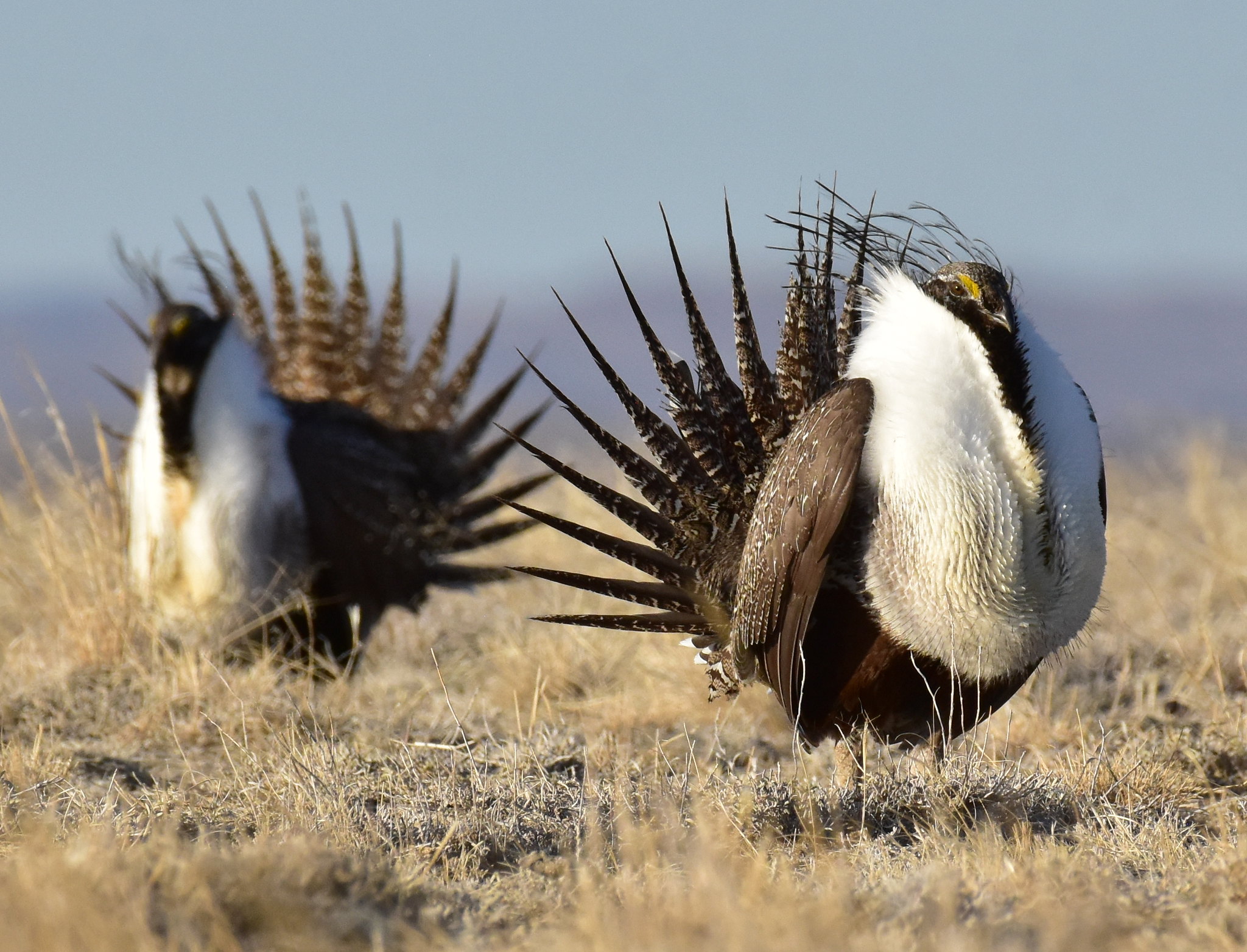
Rethinking species recovery in Washington, D.C.
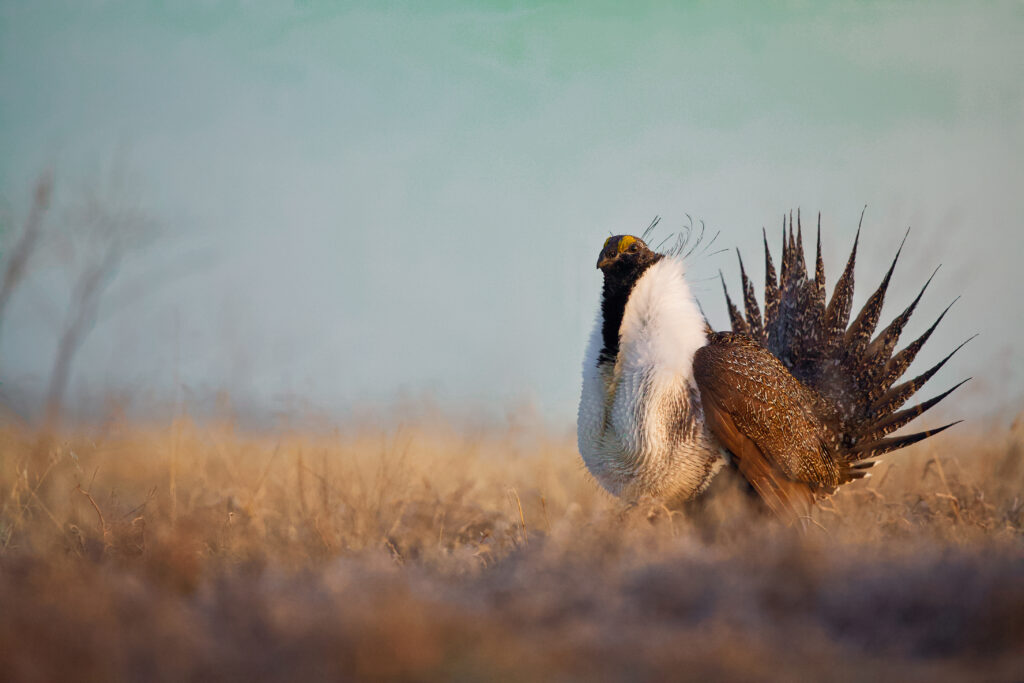
Partnering with the National Wildlife Federation, PERC brought together agency veterans, conservation leaders, landowner representatives, and policy thinkers to explore how to boost species recovery while reducing conflict, uncertainty, and inefficiency. Rather than rehash familiar debates, participants focused on Endangered Species Act reforms that could be actionable, durable, and capable of attracting broader support.
Discussions ranged from regulatory uncertainty and permitting challenges to cooperative federalism, agency capacity, and the role of states and private partners. A central theme was how to better reward conservation success, including through recovery milestones, tailored regulations, conservation agreements, and other tools that give landowners stronger incentives to help recover species.
Taking virtual fencing to scale in Bozeman, MT.
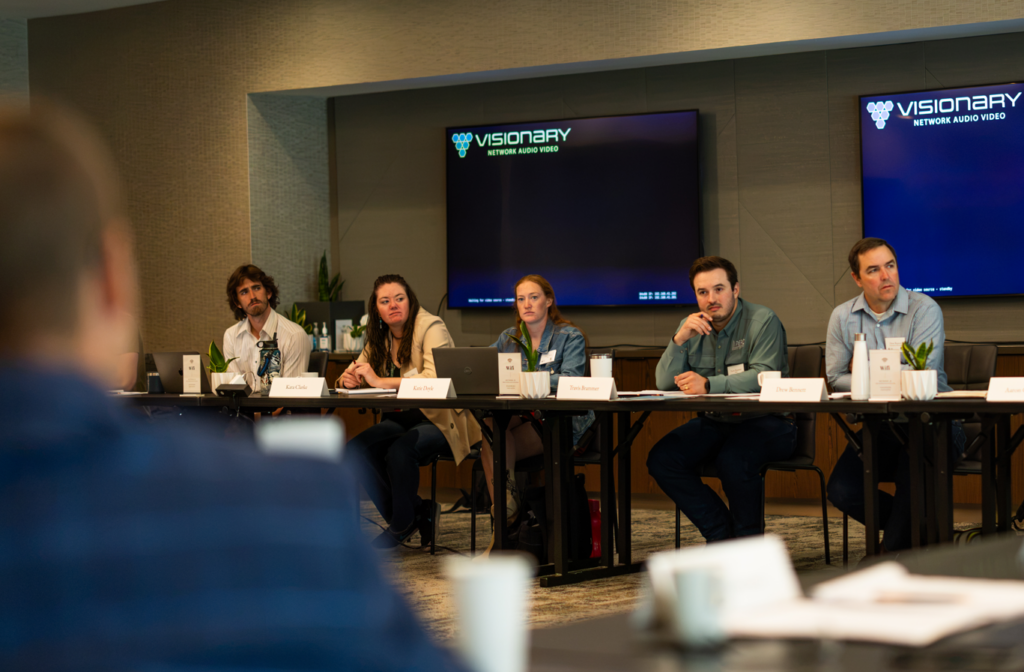
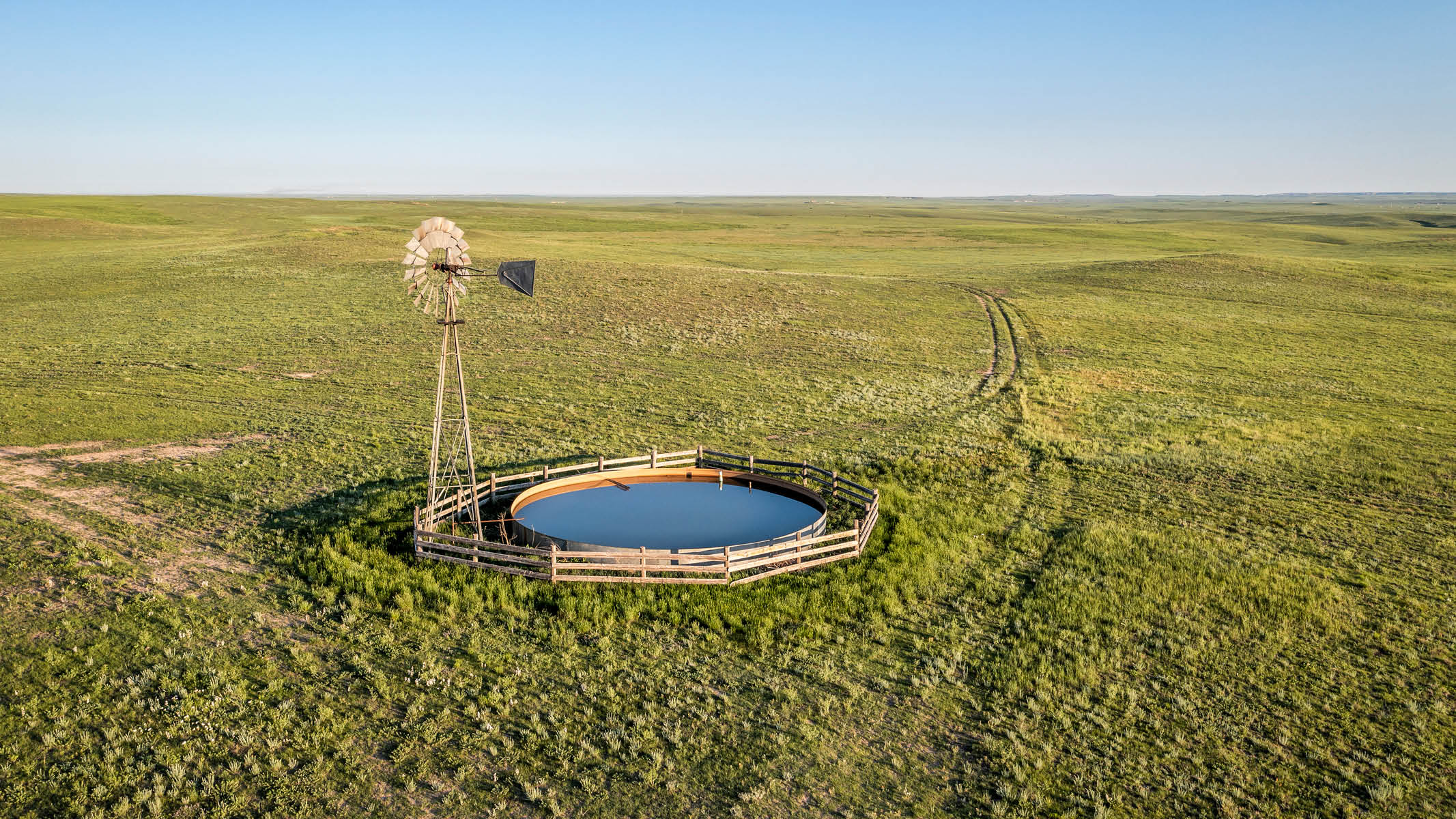
In our second virtual fencing summit, PERC convened researchers, ranchers, conservation organizations, technology companies, and agency partners to explore how to move virtual fencing from promising pilots to widespread adoption.
Participants explored the policy, legal, funding, and implementation barriers standing in the way of scale, and opportunities to work together to overcome them. The workshop was held with the University of Wyoming’s Haub School of Environment and Natural Resources, with support from Alumbra Innovations Foundation and partnership from the Ricketts Conservation Foundation, World Wildlife Fund, Greater Yellowstone Coalition, and Beyond Yellowstone Living Lab.
Looking ahead to conservation’s next 50 years in Jackson, WY.
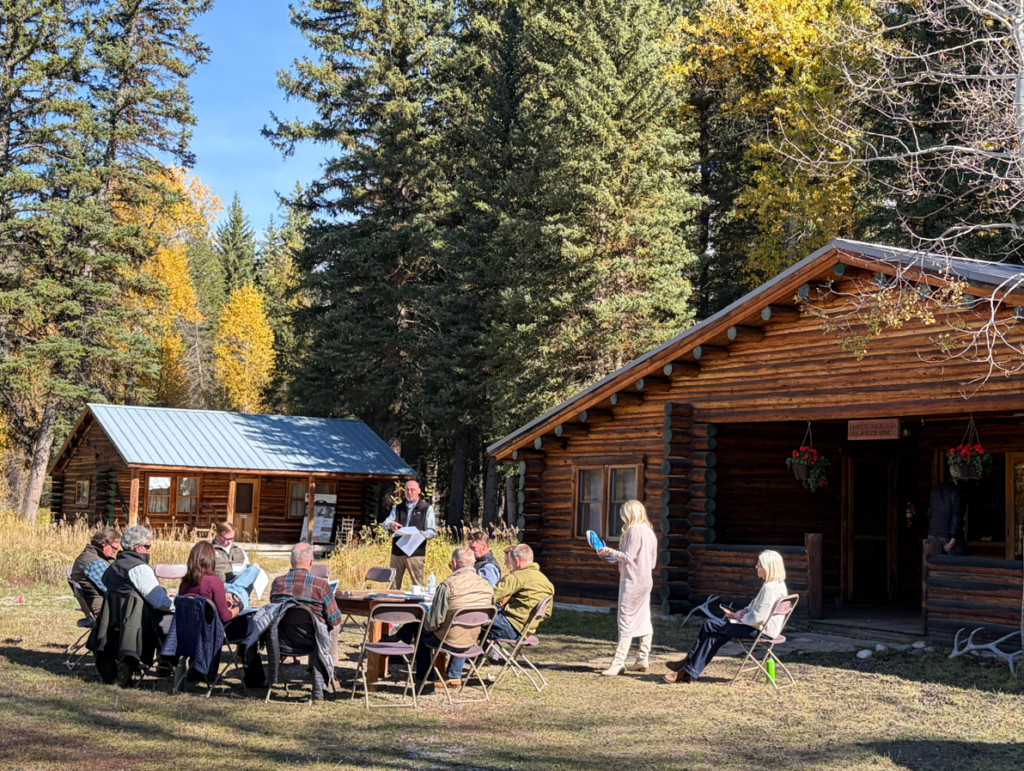
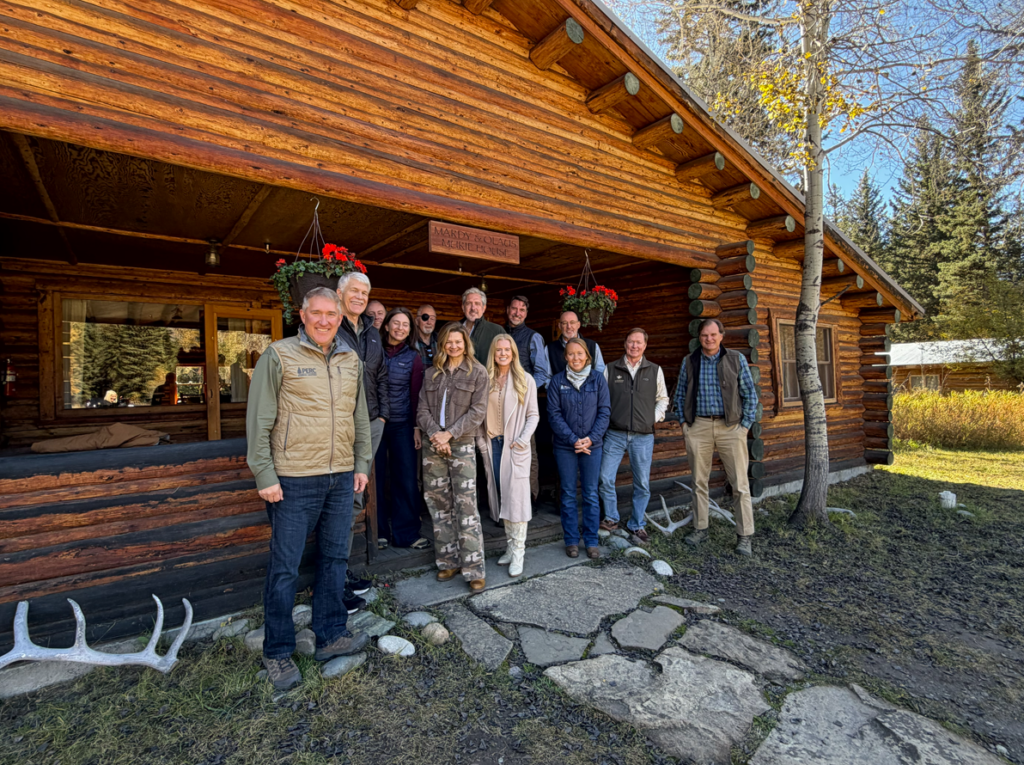
PERC closed out the month with our Next Era of Conservation Thought Leader Dialogue, bringing together leaders from across the conservation movement to look beyond individual policies or challenges and ask a bigger question: What should define the next 50 years of American conservation?
At the historic Murie Ranch in Grand Teton National Park, leaders explored the future of public lands, emerging conservation challenges, and how to build a stronger and more durable conservation movement.
Participants included:
- Robert Bonnie, Former Undersecretary of Agriculture
- Sarah Greenberger, Vice President of Conservation Strategy, U.S. Nature Initiative
- Chip Jenkins, Superintendent, Grand Teton National Park
- Tom Kiernan, CEO, American Rivers
- Adam Putnam, CEO, Ducks Unlimited
- Greg Schildwachter, Founder, Watershed Results
- I Ling Thompson, CEO, Foundation for America’s Public Lands
- Jessica Turner, President, Outdoor Recreation Roundtable
- Rob Wallace, Former Assistant Secretary of Fish, Wildlife and Parks
- Tony Wasley, CEO, Wildlife Management Institute
The event took place one year after our first convening on this topic at the historic Murie Ranch, itself a hub for an earlier generation of conservation leaders and the ideas that helped shape the Wilderness Act of 1964.
From ideas to impact
Taken together, these gatherings illustrate the breadth of PERC’s work: wildlife recovery, working lands, emerging technology, public lands, conservation policy, and the future of the movement itself.
They also illustrate something deeper about how PERC approaches conservation.
Substance matters. Research matters. Policy matters. Innovation matters. But lasting conservation also depends on bringing people with different expertise together—researchers and ranchers, agency officials and entrepreneurs, conservation practitioners and policymakers—to test ideas, identify obstacles, and find practical paths forward.
That is the role PERC has played for more than four decades: developing ideas, building partnerships, and creating space for the conversations that can move conservation forward.