

California utility companies are investing heavily in solar power. The utilities, along with many industry experts, expect the tax breaks for solar producers will make the cost of solar energy competitive with power from coal and natural gas by 2016 when the credits expire.
Author Archives: admin
Tree-free paper

As paper overflows wastebaskets and flutters from dumpsters in office parks, many people have rallied to the cry for a paperless office to save trees.
Markets for Biodiversity

The Malua Wildlife Habitat Conservation Bank (Malua BioBank ) recently was launched in Malaysia by a forestry investment management firm that is at the forefront of developing and commercializing environmental products.
Markets for Snow Leopards

About 3,000 wild snow leopards now roam the pristine areas of Himalayan mountain regions. Despite conservation measures, most of which aim to establish protected areas, the long-term survival of this beautiful mountain cat is far from assured.
Perpetuating Small Farms

In North Carolina, productive land is being lost to development while more people are seeking locally grown foods. Triangle Land Conservancy, a community land trust, is encouraging the use of its lands for food production by offering long-term leases to new farmers.
Save the Fisheries
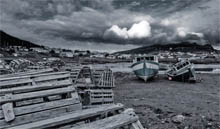
The world’s ocean fisheries are in decline. Since 1950, nearly 30 percent of all fisheries have collapsed, and some scientists project that in 40 years, all of the world’s fisheries could collapse.
Experimenting with Tax Credits for Conservation
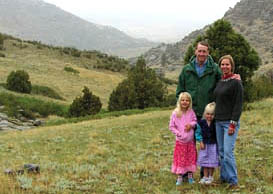
Colorado has created a grand experiment using private markets to preserve open space through a transferable state income tax credit.
Don’t Abandon Market Ship

The financial meltdown has led many people, especially politicians, to blame the problem on market failure and to jump on the regulatory bandwagon. Though the problems on Wall Street are much more related to regulated markets than free markets, the call is for more regulation to fix failed regulation. Couple this with the fact PresidentelectContinue reading “Don’t Abandon Market Ship”
The Enviropreneur’s World
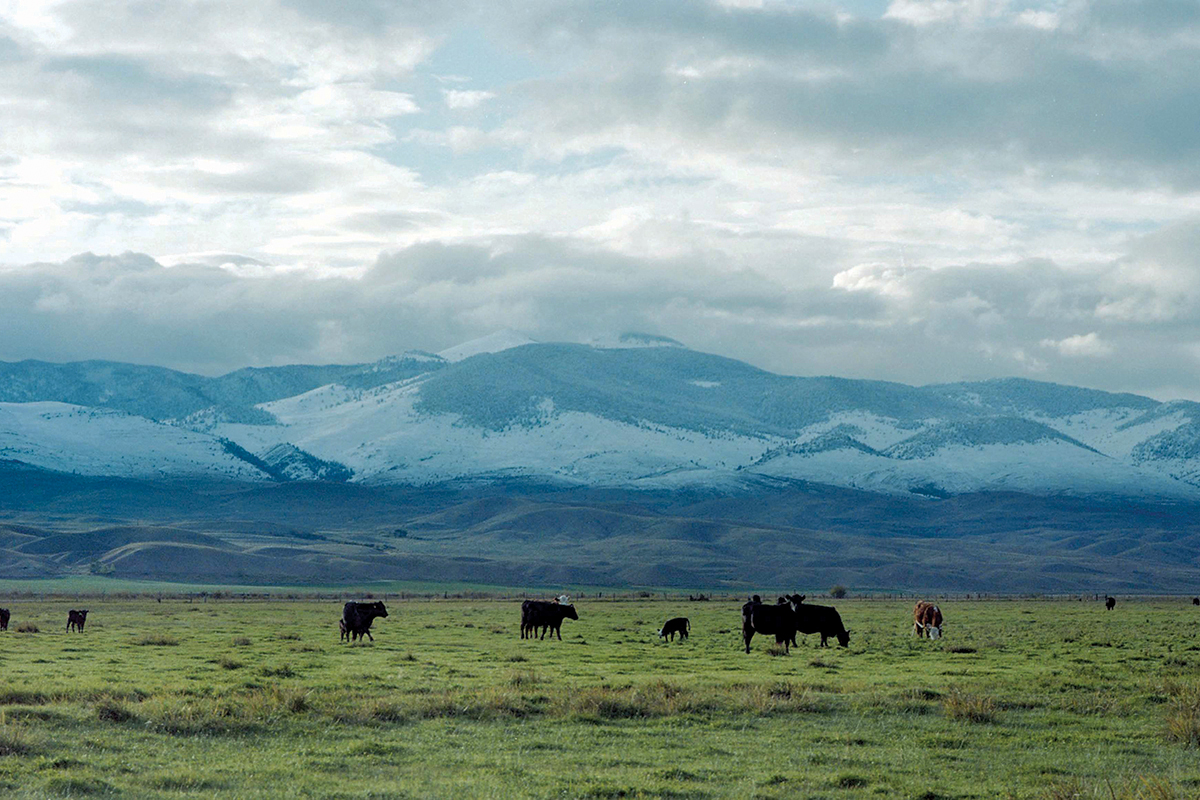
There is a moment that comes to mind when recalling my short trip into the world of the enviropreneurs.
Money Grows on Trees in New Zealand

Headlights trace the dying canopy of a stand of Pohutukawa trees. The decades-old, fourwheel- drive Range Rover slows, and a father and son disembark with their shotguns.