
By Bruce L. Benson Private prosecution of crimes has a long and sordid history, and that history isn’t over. Bounty hunters no longer hound innocent people to death as some did in England in the mid-18th century, but environmental groups such as the Natural Resources Defense Council have modified the tactic. They use "citizen suits"Continue reading “Environmental Bounty-Hunting”
Author Archives: admin
Lessons from British Columbia: Public Forest Management
Although the forests of British Columbia, Canada, are 96 percent government-owned, the management of the forests is far more market-driven than in the U.S. Forest Service.
The 19th Century Comanche
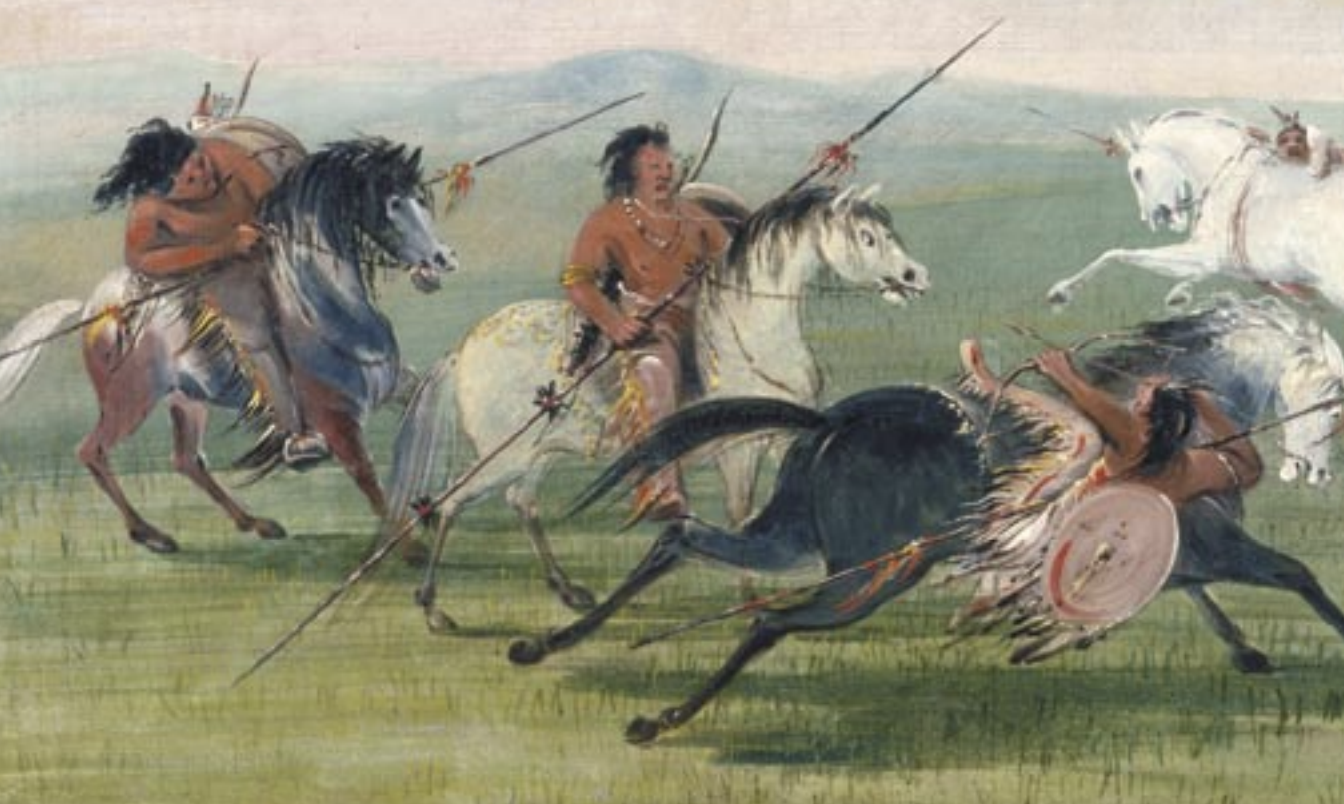
These Plains Indians had a legal system based on accepted rules of conduct and individual rights.
Blackfeet Gathering

Blackfeet Gathering, an oil painting of teepees, illustrates private property among American Indians. It is available by auction.
Self-Determination: The Other Path for Native Americans
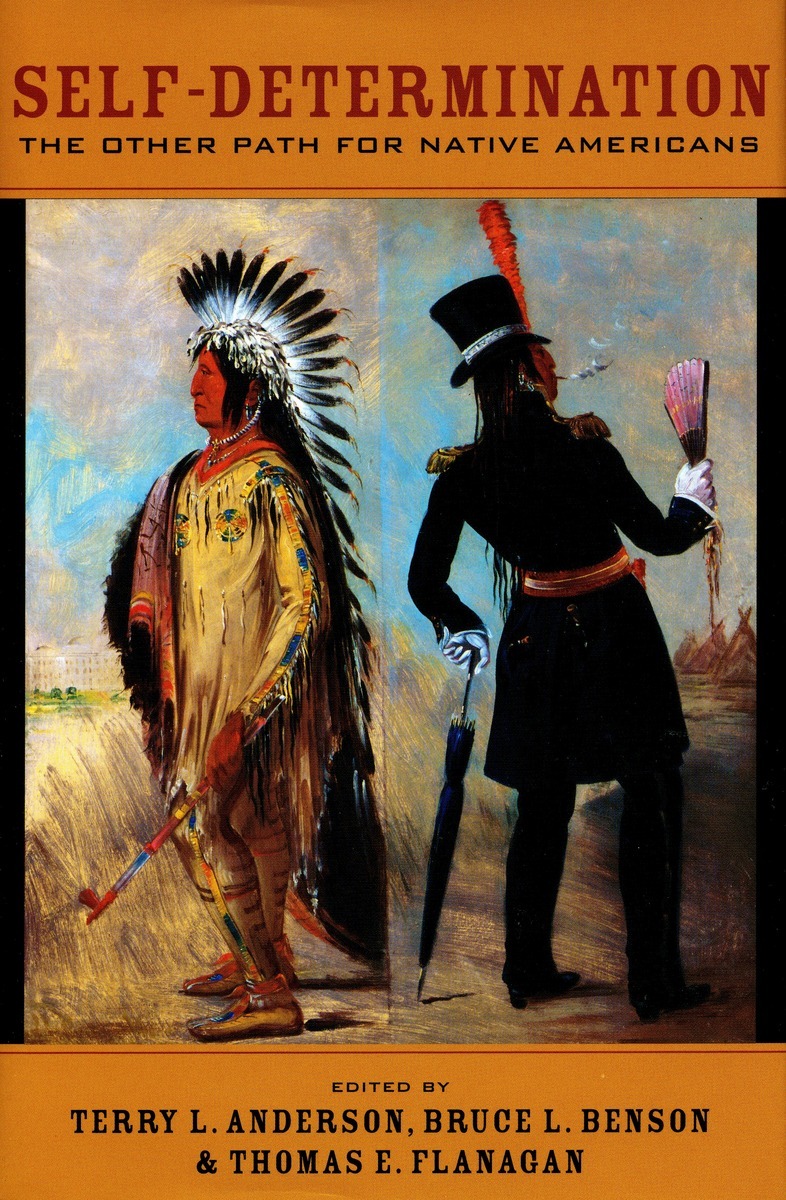
A comparison of historical and contemporary Canadian and U.S. Native American policy.
Self-Determination –
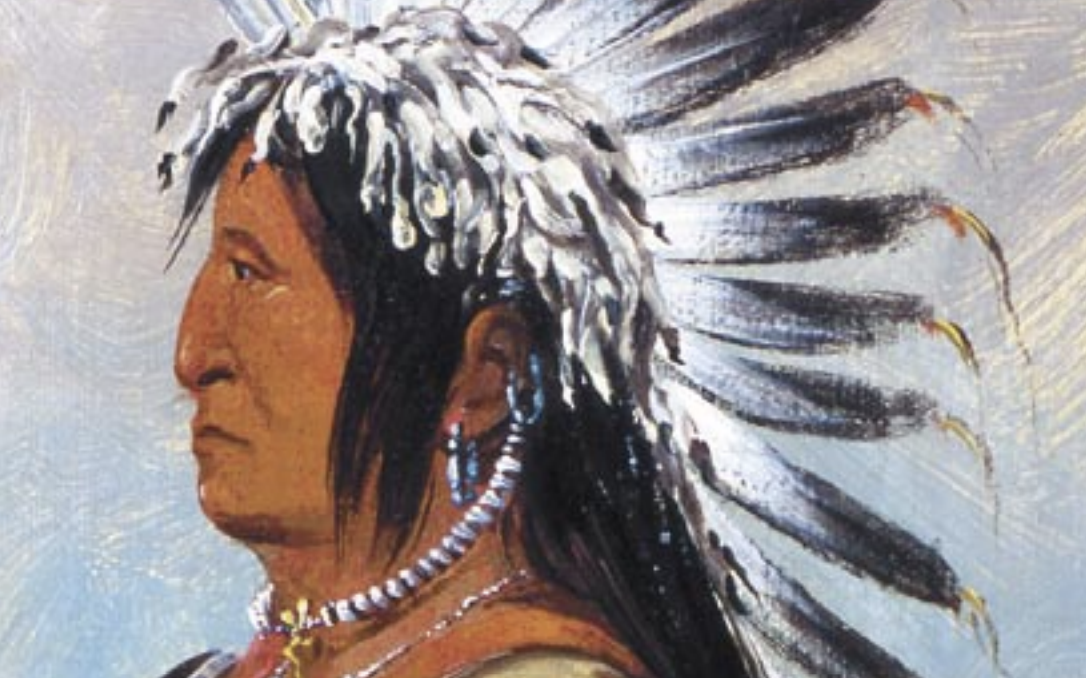
A return to property rights and the rule of law would restore economic strength and stewardship to American Indian Economies.
American Indian Collectivism
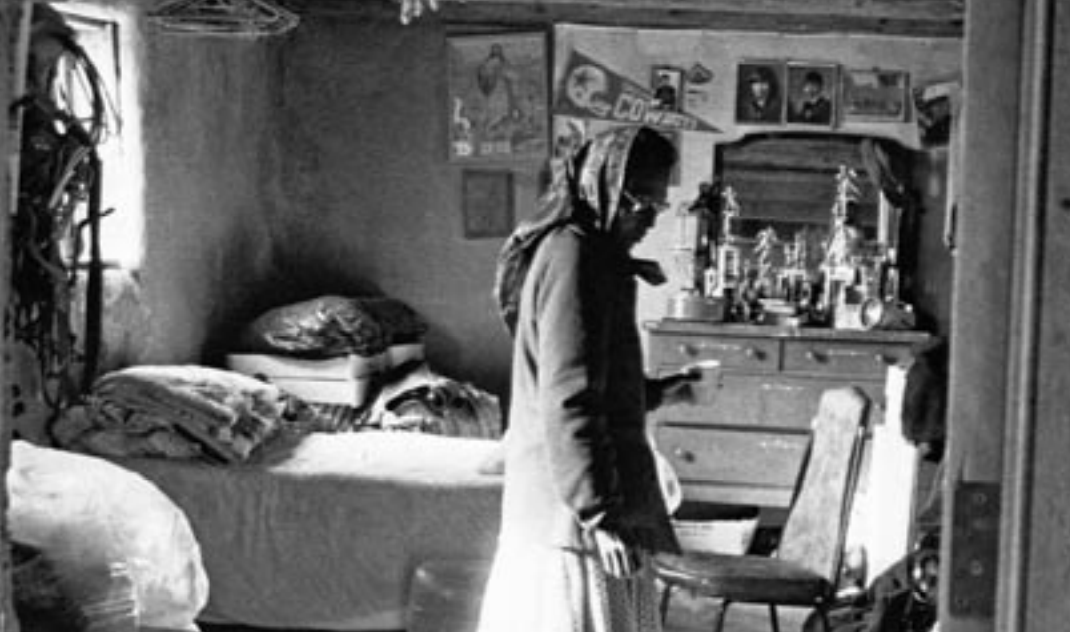
The reservation system, instituted in the nineteenth century, destroyed the successful property rights systems of the past.
Indian Sovereignty –
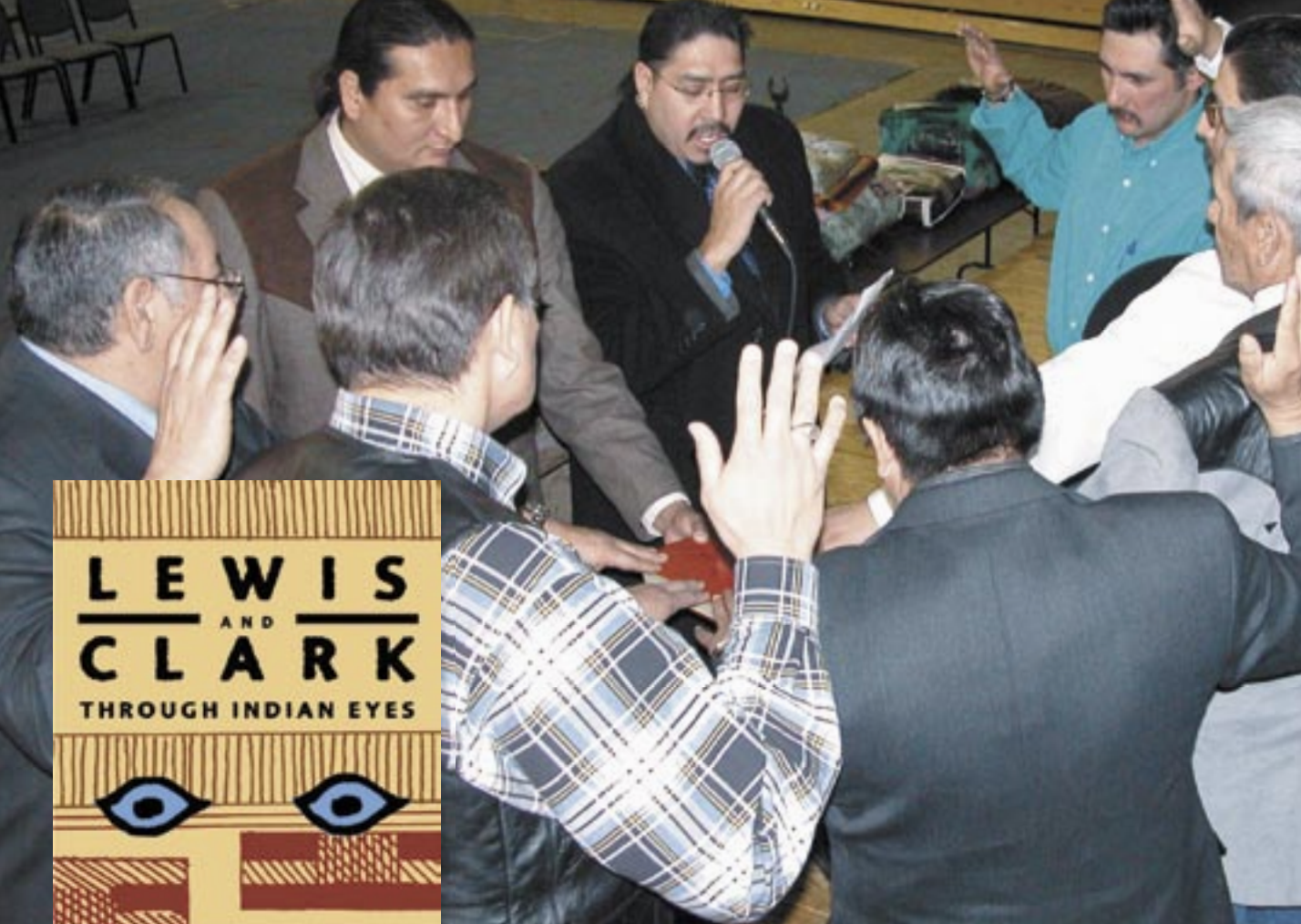
Tribal sovereignty is an achievement, but just as important in enabling Indians to be entrepreneurial is recognizing the role of the individual.
A Modern Potlatch?
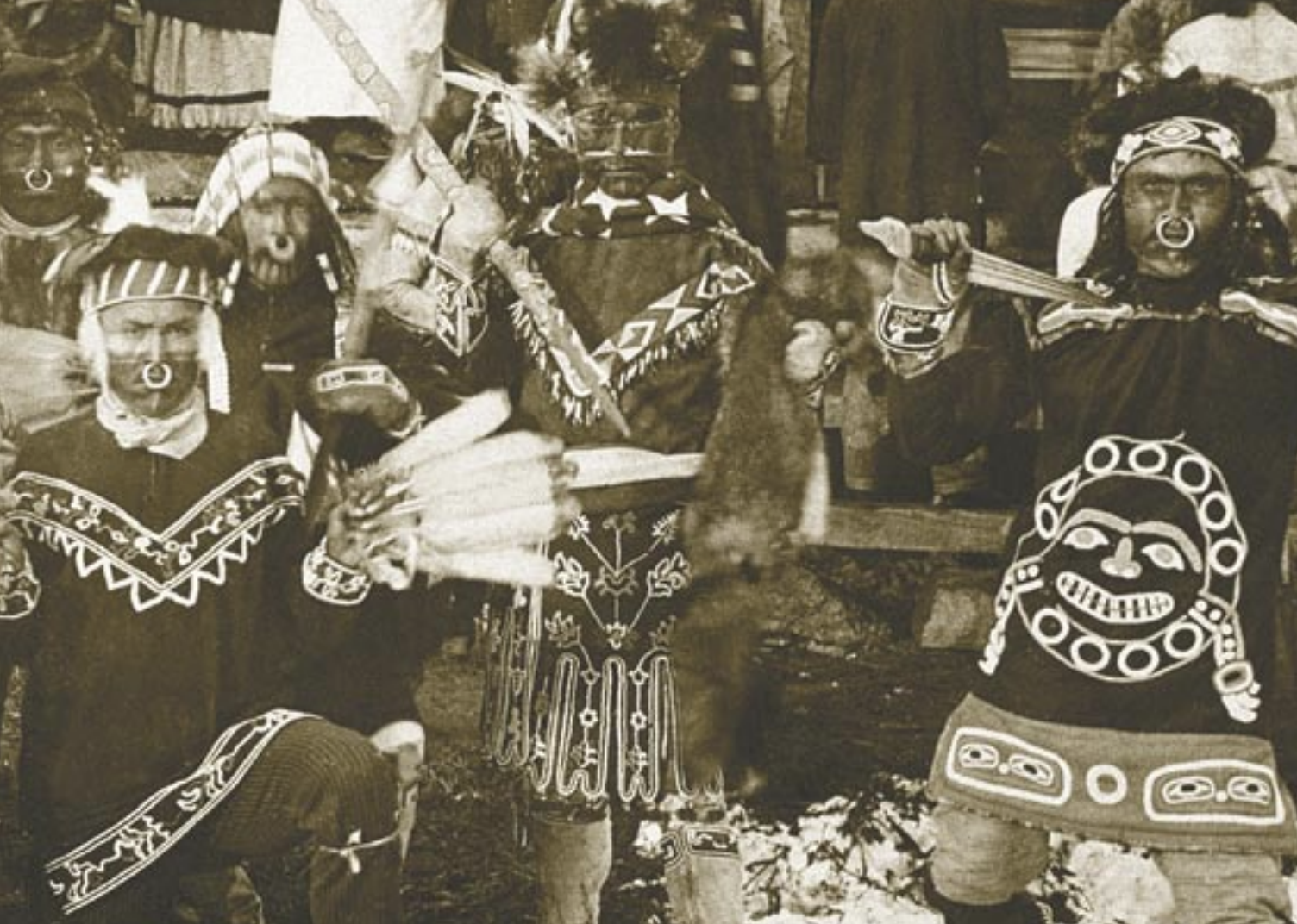
British Columbia could resolve its conflicts over salmon by an auction that resembles the ‘rivalry potlatches’ of the past.
The Importance of Property Rights
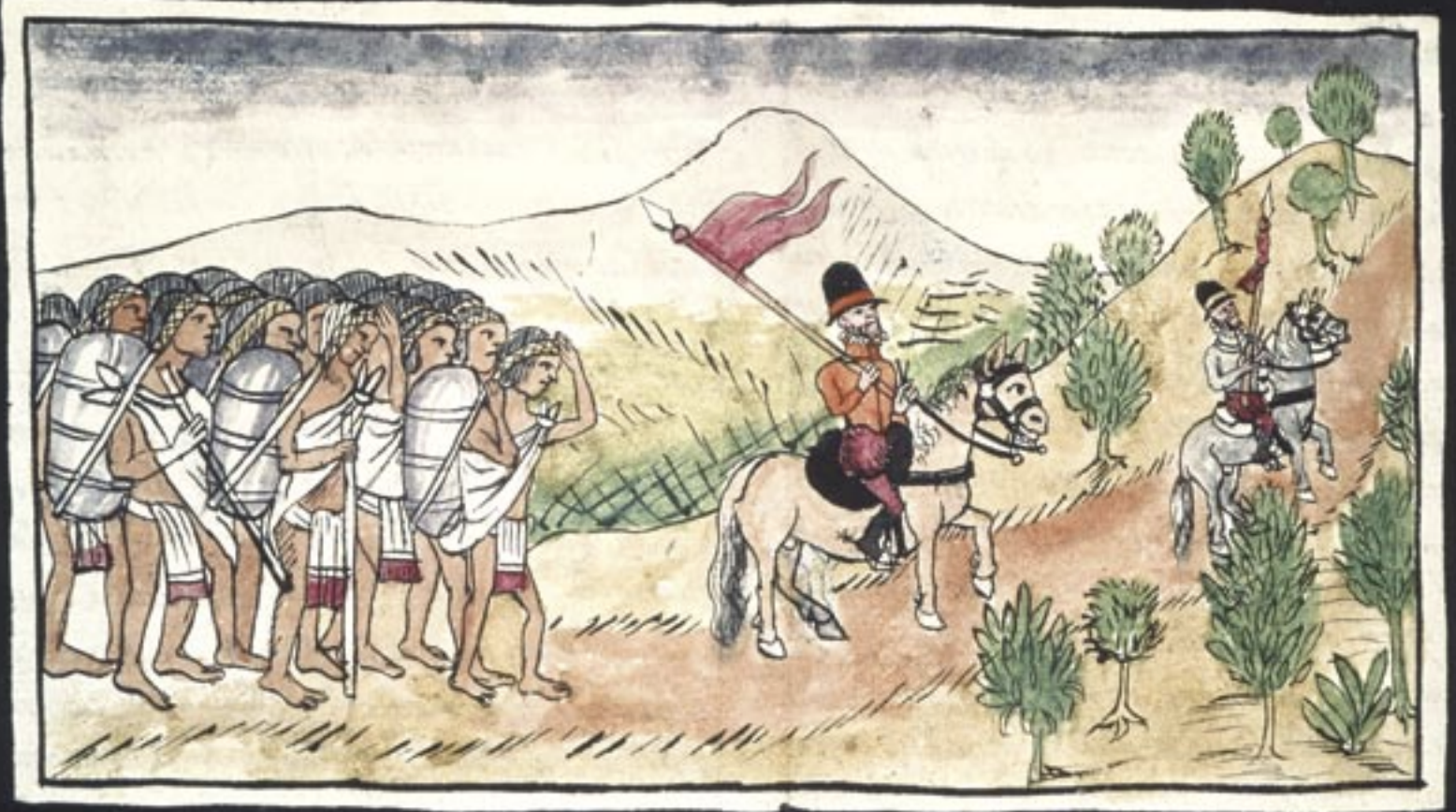
Economic evidence reveals that property rights are more critical for prosperity than an efficient method of settling contractual disputes.