
I’m in rainy Seattle to give a speech on the Green Tea Party at an environmental conference. Ads for the hotel boast that it has double shower heads, which had me pondering the following: We pass laws forcing people to install restricted flow shower heads. The hotel responds by installing a double shower head andContinue reading “Restore to what?”
Author Archives: admin
SO2 Trading Platforms and Carbon Markets
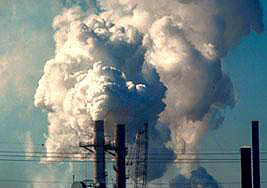
In this interview on the John Batchelor Show, Terry Anderson contrasts the SO2 trading platforms in the United States with the European Carbon emission trading programs. He discusses why SO2 had promise initially, and what caused that market to collapse. https://www.perc.org/sites/default/files/media/JBS%20Anderson%20060112.mp3
Anti-Market, Anti-Environmental Fishery Policy
There is substantial theoretical and empirical evidence that property-based management schemes, such as catch-shares, prevent fishery collapse and ensure sustainability. The creation of property rights in ecological resources is also a principled conservative alternative to centralized regulation. Yet somehow a majority of House Republicans were bamboozled into voting to bar funding for further implementation of catch share funding along the Atlantic Coast and in the GulfContinue reading “Anti-Market, Anti-Environmental Fishery Policy”
Lessons from the Old West: The 150th Anniversary of the Homestead Act

By P.J. Hill On May 20, 1862, Abraham Lincoln signed the Homestead Act, an effort by the U.S. government to make 160 acres available to anyone who would move to unclaimed territory, build a cabin, farm the land, and live there for five years. Eventually 270 million acres were privatized by the process, ushering inContinue reading “Lessons from the Old West: The 150th Anniversary of the Homestead Act”
Access Unlimited, Trout Limited
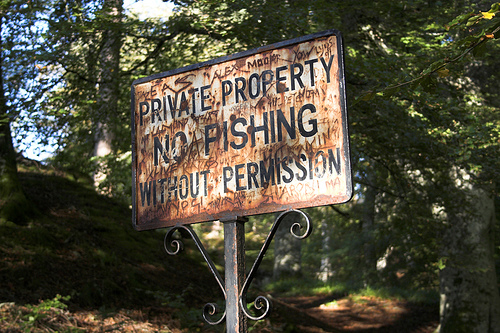
Image by Angus Mackie/Creative Commons via flickr The May issue of Outdoor Life carried an article entitled “Can I Fish This Stream?” It included a map of the U.S. showing 45 states with “limited stream access,” 4 with “pending access litigation,” and 1 with “liberal stream access.” The one was Montana, about which the article’sContinue reading “Access Unlimited, Trout Limited”
Whatever happened to SO2 trading?

A decade ago, Dan Benjamin wrote that tradable permits seem to offer the advantages suggested by their proponents: “The total costs of achieving the current SO2 cap are at a minimum—and surely lower than under command-and-control. Perhaps now some serious consideration will be given to environmental protection systems in which there is even less administrative controlContinue reading “Whatever happened to SO2 trading?”
Lessons From the Old West: The 150th Anniversary of the Homestead Act

On May 20, 1862, Abraham Lincoln signed the Homestead Act, an effort by the U.S. government to make 160 acres available to anyone who would move to unclaimed territory, build a cabin, farm the land, and live there for five years. Eventually 270 million acres were privatized by the process, ushering in the great eraContinue reading “Lessons From the Old West: The 150th Anniversary of the Homestead Act”
The Lacey Act, Certification, and Gibson Guitar: Why Trade in Forest Products Protects Forests
by Todd Myers As a board member of Rainforest Alliance, Gibson Guitar CEO Henry Juszkiewicz didn’t expect to find himself accused of supporting illegal logging. A supporter of Forest Stewardship Council certification, Juszkiewicz is committed to doing what he believes is best for the environment and the world’s forests. “About 80 percent of our woodContinue reading “The Lacey Act, Certification, and Gibson Guitar: Why Trade in Forest Products Protects Forests”
Aquanomics: Water Markets and the Environment
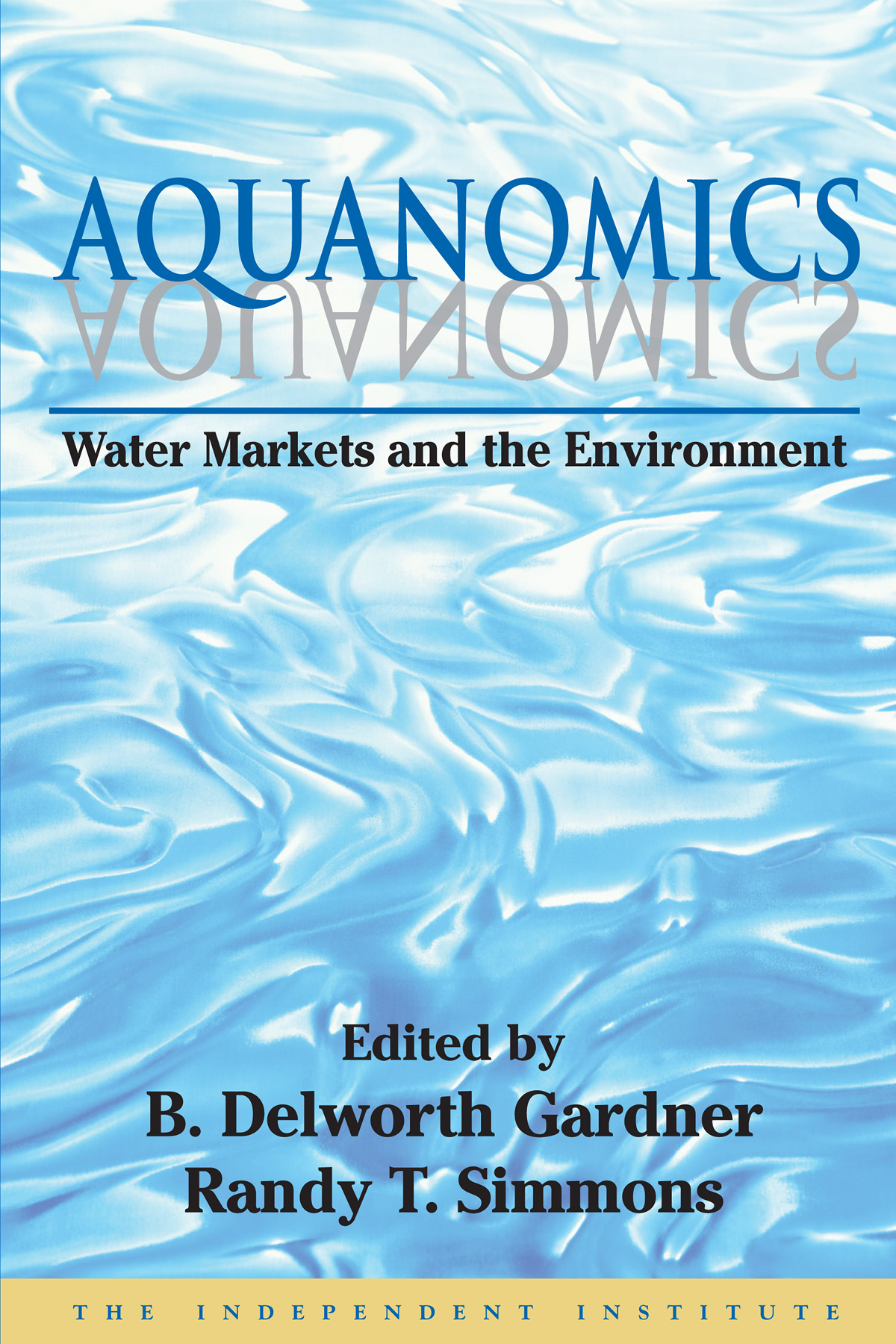
The increasing scarcity of water around the world prompts heated debate over the effectiveness of conservation efforts and policy initiatives. Is water becoming increasingly scarce? If recent usage trends continue, many people believe that shortages are inevitable. Aquanomics, edited by B. Delworth Gardner and PERC Senior Fellow Randy Simmons, comprehensively examines a full range ofContinue reading “Aquanomics: Water Markets and the Environment”
Unnatural forests are depleting water supplies
By Helen M. Poulos and James G. Workman Ronald Reagan once justified logging with “a tree is a tree; how many more do you need to look at?” Besides, he warned, “trees cause more pollution than automobiles.” We cringed at his biases. Yet due to forces none foresaw, Reagan’s gaffes may now ring true. Today,Continue reading “Unnatural forests are depleting water supplies”