
All Research:
Healthy Public and Private Lands
South Carolina’s Jocassee Gorges –
RS-02-2: 2002 By Jody Lipford, Jerry Slice, and Bruce Yandle About the Authors About PERC Research Studies Executive Summary In 1997, the state of South Carolina acquired from Duke Energy Corporation 33,000 acres of undeveloped land known as the Jocassee Gorges. The $54 million property is part of the Blue Ridge Escarpment in the southern AppalachianContinue reading “South Carolina’s Jocassee Gorges –”
Environmental Counterblaze Distorts a Government Report
July 12, 2002 By Holly Lippke Fretwell BOZEMAN, Mont. – As cool, moist air at last reaches the Rocky Mountain West, some of the largest fires in Colorado and Arizona history are finally fading. Remaining fresh in our minds, however, are the bitter debates over the causes of those fires. By misusing a government report,Continue reading “Environmental Counterblaze Distorts a Government Report”
Why is the West Always Burning Down?
June 26, 2002 By Linda Platts and Holly Lippke Fretwell BOZEMAN, Mont. – A journalist from an eastern newspaper called our offices in Bozeman, Montana, last week to ask “Why is the West always burning down?” For those of us who live here, it is an exasperating question because we already know the answer. TheContinue reading “Why is the West Always Burning Down?”
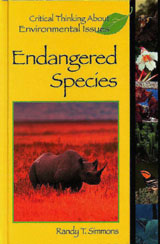
Endangered Species
A new series of books for young people offers objective and balanced discussions of controversial issues.
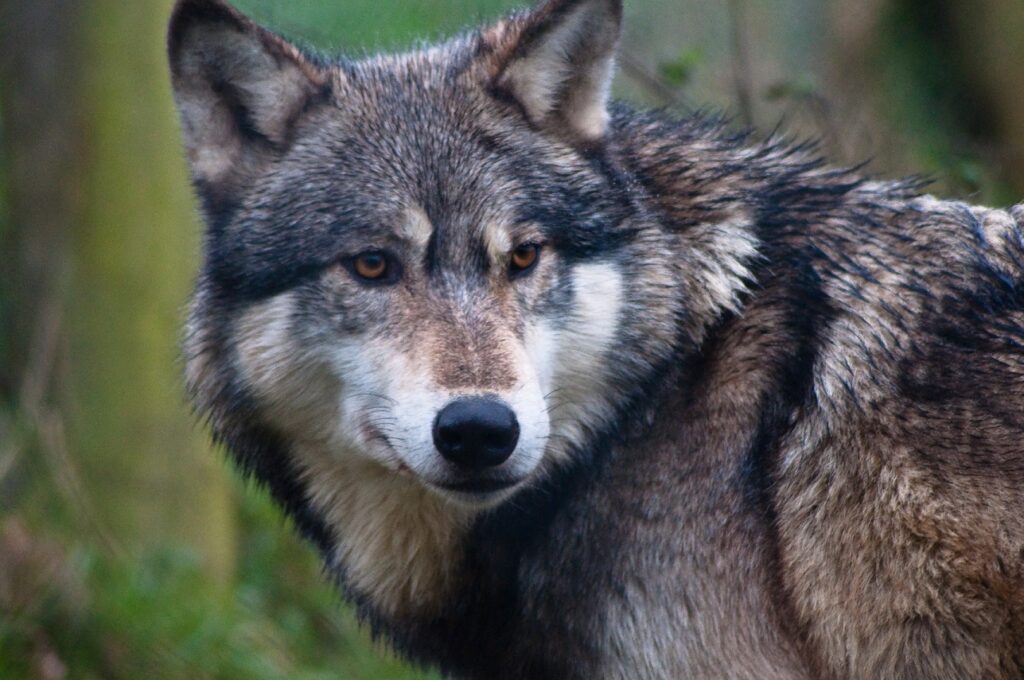
Who Pays for Wolves?
How markets helped reduce conflict between ranchers and wolves.
Hunting for Habitat
DOWNLOAD THE FULL REPORT In their handbook, Hunting for Habitat, Donald R. Leal and J. Bishop Grewell explore ranching for wildlife programs. Around the West, state agencies and landowners are improving both game and nongame habitat through these state-landowner partnerships. Not to be confused with game ranching, these programs help landowners manage free-roaming wild animalContinue reading “Hunting for Habitat”

Managing Africa’s Wildlife
What Zimbabwe did right.
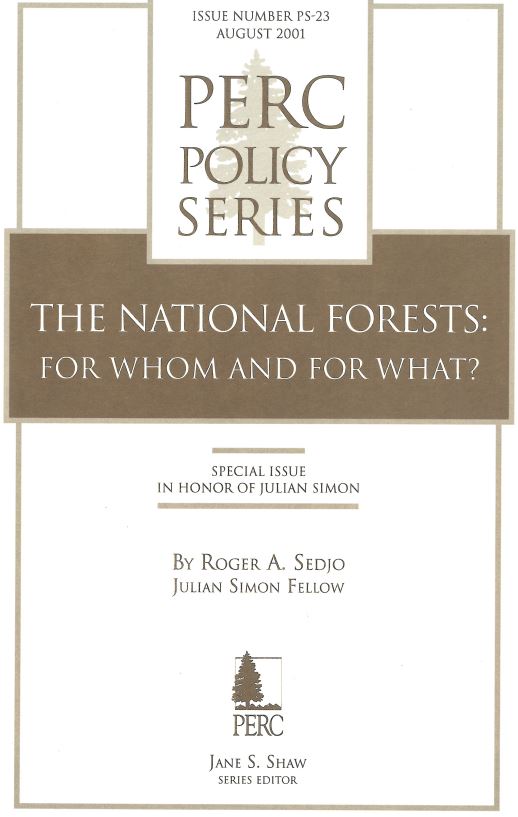
The National Forests: For Whom and for What?
"The nation finds itself struggling with forest management systems that do not work," says Roger Sedjo, a Senior Fellow with the Washington, D.C.-based research organization Resources for the Future. "The future management of the national forests is unlikely to be smooth, because no political consensus exists."

Is No Use Good Use?
Americans are on the fast track to land preservation as more and more federal land is set aside at an increasingly rapid pace. Now is the time to pause and ask if locking up great expanses of land provides the good stewardship that we want for our public lands.