This special issue of PERC Reports explores the next wave of solutions for our national parks.
The news reached me Fourth of July Eve at our family mountain cabin in the Paradise Valley of Montana. President Donald Trump had just signed an executive order titled “Making America Beautiful Again by Improving Our National Parks.” The order directed the secretary of the interior to increase entrance fees on international visitors coming to our national parks to help pay for their aging infrastructure—an idea long overdue and long advocated by PERC.
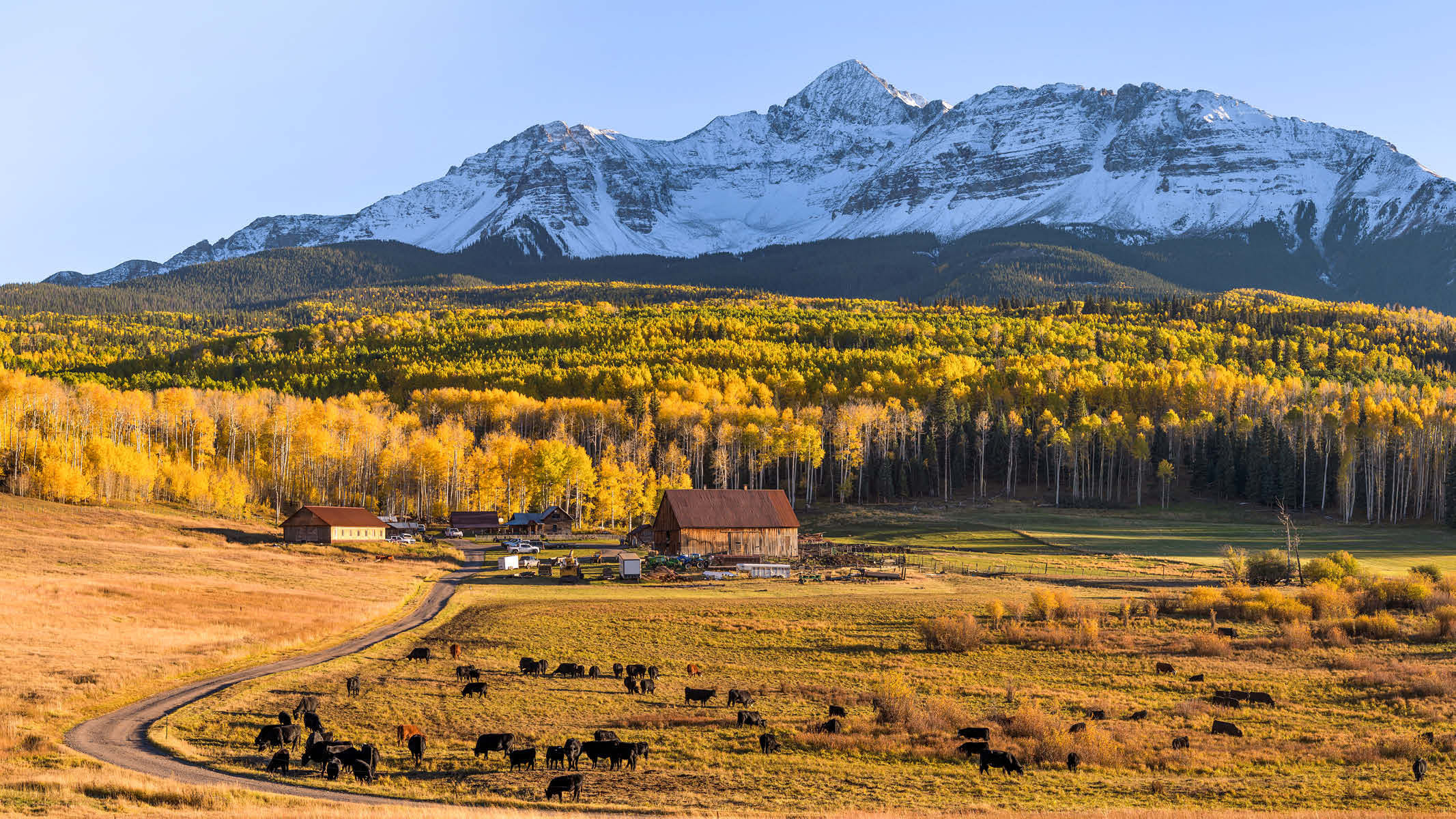
The setting to receive this big news could not have been more perfect, or appropriate. The cabin’s back deck has a view into Yellowstone National Park, the world’s first national park. And it provides a view of a historic campsite integral to the creation of the national parks.
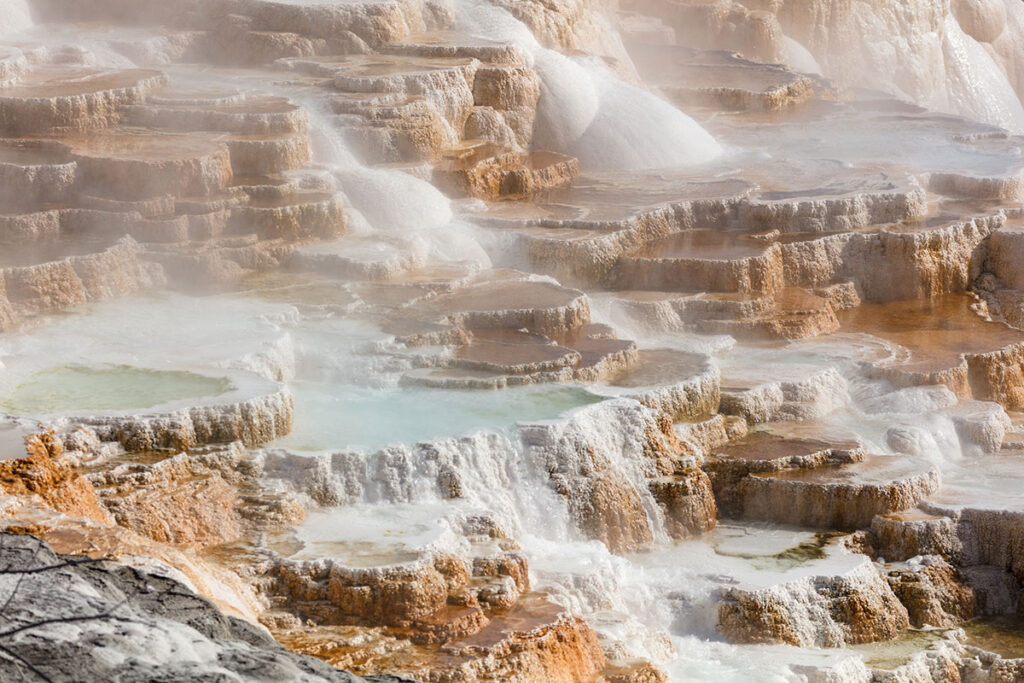
In 1871, the famous Hayden Expedition into Yellowstone camped in a meadow just below our cabin before working its way to the travertine terraces that would come to be known as Mammoth Hot Springs. Led by the head of the U.S. Geological Survey, Ferdinand Hayden, the expedition included two unlikely travelers: an oil painter named Thomas Moran and a landscape photographer named William Henry Jackson.
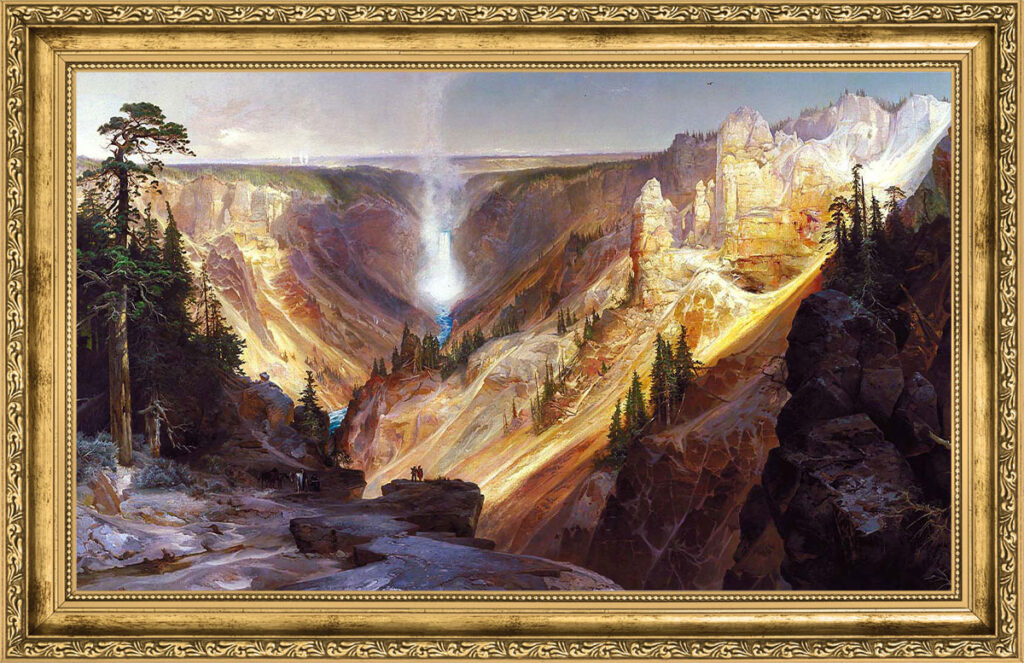
Since travel to the remote regions of the West was difficult, it was Moran and Jackson’s sketches and photographs of the wonderland that helped to solidify congressional support for establishing Yellowstone as a national park. In 1872, the year the park was established by Congress, Moran painted the spectacular Grand Canyon of the Yellowstone, a seven-foot-by-twelve-foot scene of the Lower Falls of the Yellowstone River that today hangs in the Department of the Interior in Washington, D.C. Less grand is a historic photo taken by Jackson of the Hayden Expedition’s Paradise Valley campsite, which now hangs on a wall in our cabin. It serves as a daily reminder to me of the park’s origin story. And what a story it is.
The idea to add Moran to the expedition, along with an offer to cover his travel expenses, came from Jay Cooke, owner of the Northern Pacific Railway. Moreover, as Hayden was drafting the post-expedition report, he received a note from Cooke’s lobbyist, A.B. Nettleton, suggesting that “Congress pass a bill reserving the Great Geyser Basin as a public park forever.” Nettleton asked Hayden to include it in the report, which he did. For Cooke, these were shrewd business moves that would establish the Northern Pacific as the premier route for conveying the multitude of tourists eager to see the new national park. Without the quiet support and lobbying of the railroad, the park idea may never have blossomed.
And so began the national parks, along with the role of the railroads in helping to create additional iconic parks. It was a quintessential America First moment—because we were first. Sometimes a good idea is just a good idea, and this was arguably America’s best idea—one enthusiastically embraced across the globe. Every national park around the world today, from Kruger in South Africa to Torres del Paine in Chile to Galapagos in Ecuador, and more than 6,000 other “protected areas,” can trace their origins to Yellowstone.
Yet today America’s national parks struggle under the weight of a staggering $23 billion deferred maintenance backlog. Routine maintenance routinely becomes deferred maintenance. And park employee housing is in short supply and often unaffordable.
Better management of our poublic lands should be at the top of our policymakers’ list.
That’s where our international visitors come in. Surprisingly, at America’s national parks, which contain some of the most breathtaking places on earth, international guests pay the same entry fee as U.S. residents. In our most visited national parks, the gate fee is just $35 per vehicle for seven days of access. That’s a rare bargain, not just for Americans, but more so for foreign tourists who count entry fees as a miniscule portion of their overall travel costs. Meanwhile, in national parks in other countries like South Africa, Chile and Ecuador, international visitors pay five or six times what residents pay.
A smart-pricing, market-based rescue plan for our national parks would tap into this demand to help pay for the wear and tear created in part by international visitors. Conservation at its core is taking care of what you already own, and better management of our public lands should be at the top of our policymakers’ list. That’s why the president’s executive order is so heartening.
PERC researchers estimate that with roughly 14 million international visitors to U.S. national parks annually, a $100 surcharge could generate $1.2 billion a year to address crumbling infrastructure, improve the visitor experience, and enhance conservation efforts nationwide. Relying more on user fees would also depoliticize park funding, which mostly comes from fickle congressional appropriations. Generating more revenue through visitor entrance fees—of which 80 percent stays in the park where it’s collected, with the remaining 20 percent reinvested in sites that do not collect fees—would allow parks to become less dependent on the Beltway.
Which all brings me back to the painter Thomas Moran. In March, PERC’s policy director Hannah Downey and I found ourselves seated in front of Moran’s Grand Canyon of the Yellowstone. We were waiting to visit Interior Secretary Doug Burgum to discuss this idea. For us, a visit to the painting had become routine at the Interior Department, partly as inspiration and partly as a reminder of our home back in Montana and its significance as the cradle of conservation. Only this time, in my enthusiasm to identify some new feature in the painting, I got a little too close, sounding alarms and causing security to scurry. We heard an officer radioing, “Moran secure. Moran secure.”
Someimtes a good idea is just a good idea, regardless of politics.
And so, our first meeting with the new secretary began with a confessional and an apology. From there we dove into an array of PERC recommendations, including the idea that we charge international visitors more to support our national parks. It was an idea that Secretary Burgum fully and enthusiastically embraced, culminating in the secretary providing us with a supportive quote for a Wall Street Journal op-ed, the idea’s inclusion in the president and secretary’s budget recommendations, and the president signing the executive order.
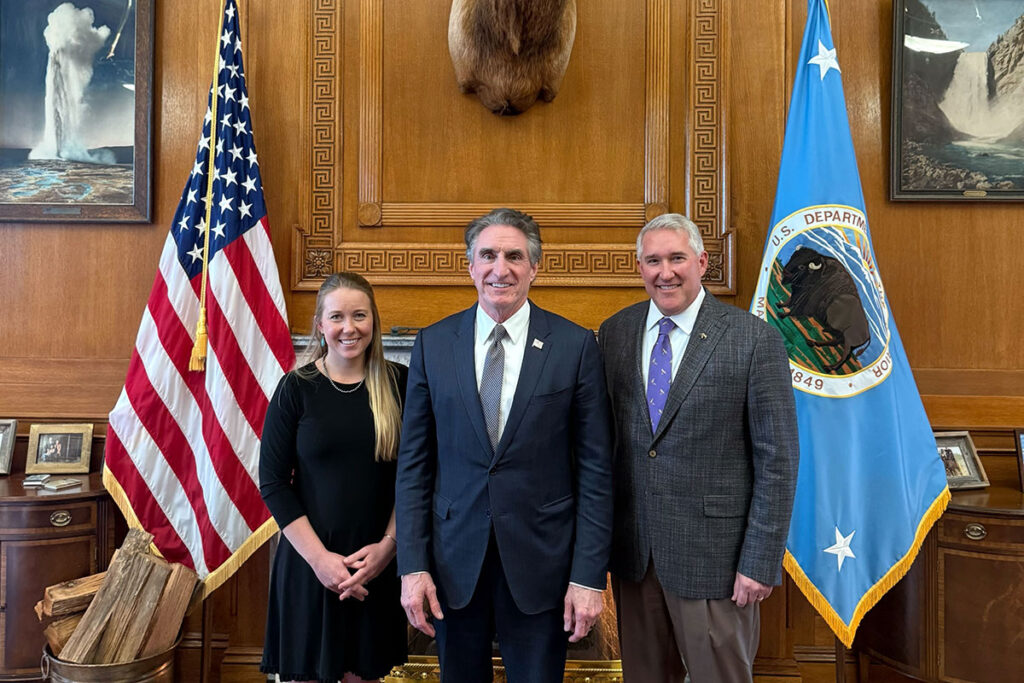
Though there is still plenty of work to be done on implementation, and ensuring that the revenues go to help our parks in the best ways possible, this common-sense idea is now more real than ever before. Americans of all stripes and politics have asked us why this has taken so long to come to fruition. It’s a hard question to answer. Sometimes the stars just have to align, and enlightenment turns into action. It’s all part of PERC’s quest to do epic things for conservation.
While America is owed nothing, it is more than appropriate for the world to help give back to what we epically gave to the world. Sometimes a good idea is just a good idea, regardless of politics. And this one is a big idea for America’s best idea.