
My first exposure to PERC’s approach to conservation came with 400 other freshmen in an Econ 101 lecture hall at Clemson University. Over a semester, long-time PERC Senior Fellow Daniel Benjamin introduced the class to how humans with “unlimited wants” behave when facing the reality of scarce resources—and how economic thinking could be harnessed to improve environmental quality. He showed us how tradable fishing rights can rebuild fish stocks while benefiting fishermen, how markets for ranched bison meat boost the species’ genetic diversity and ranchers’ bottom lines, and much more.
As a student, I was shaped by other Clemson professors with deep ties to PERC. I saw how Bruce Yandle used “bootleggers and Baptists” thinking to show how entrenched interests and moral pressure combine to shape many environmental regulations. I learned that where most people saw an “environmental externality”—air pollution from a factory, to take a classic example—the late Bobby McCormick saw an opportunity to define property rights to solve the problem. And I read PERC writings that opened my eyes to the logic and dignity of working with people, rather than trying to command them from on high, to conserve the scarce natural resources that they and others value.
These are ideas PERC has championed since its founding, and for much of that time, harnessing markets and property rights to promote environmental quality has given us a distinct shade of green in the conservation world. Today, however, these ideas are far more mainstream than they were 45 years ago.
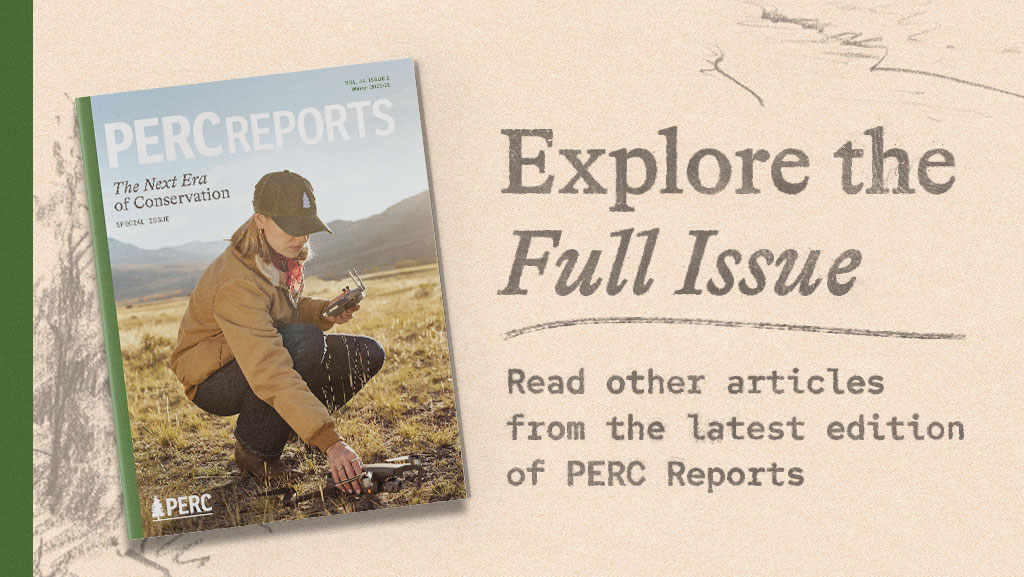
The idea at the heart of this special issue of PERC Reports continues that evolution: the next era of conservation will be built on principles such as markets and property rights, partnerships and cooperation, and incentives and innovation. Rather than being defined by inert preservation that seeks to separate humans from nature, or by counterproductive regulation that grabs for stick instead of carrot, the next era will be defined by proactive conservation that works for people and the environment.
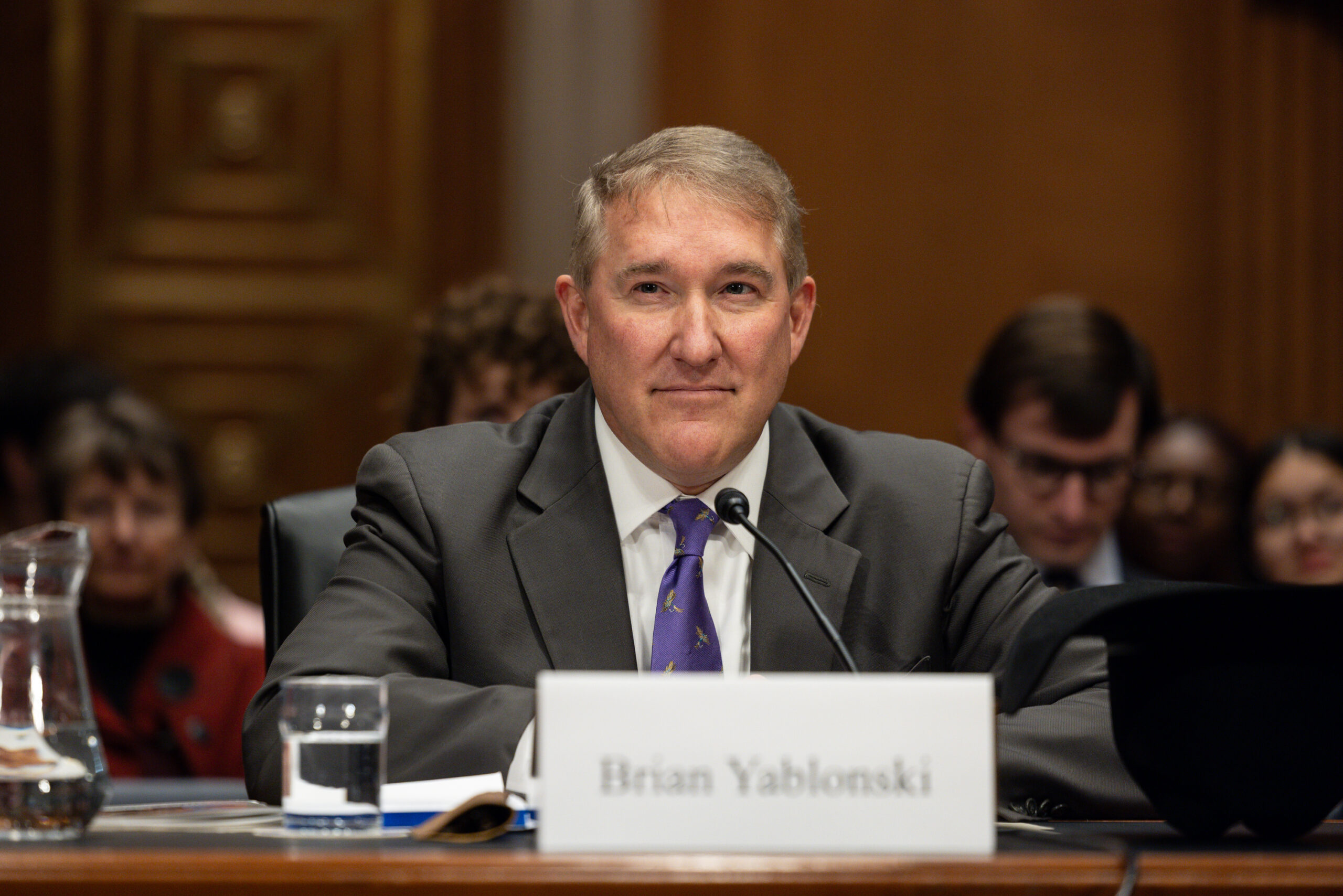
The issue grew out of a 2025 gathering in Jackson, Wyoming, where PERC convened conservation leaders to contemplate big ideas about the future. It opens with Brian Yablonski outlining a vision grounded not in command-and-control governance but in collaboration and incentives. Then, contributions from the gathering’s participants, who represent a wide range of conservation organizations and bring their own perspectives on what comes next, help round out the issue. Lastly, several PERC contributors weigh in with their thoughts on a few important themes for the future of conservation, including speeding up, championing partnerships, and unleashing abundance.
Eras are only ever defined in hindsight. For now, we aim to help shape the next one using the principles PERC has advanced for more than four decades—and, in doing so, bring conservation’s future ever closer to PERC’s shade of green.