High-stakes land sale protects a natural giant
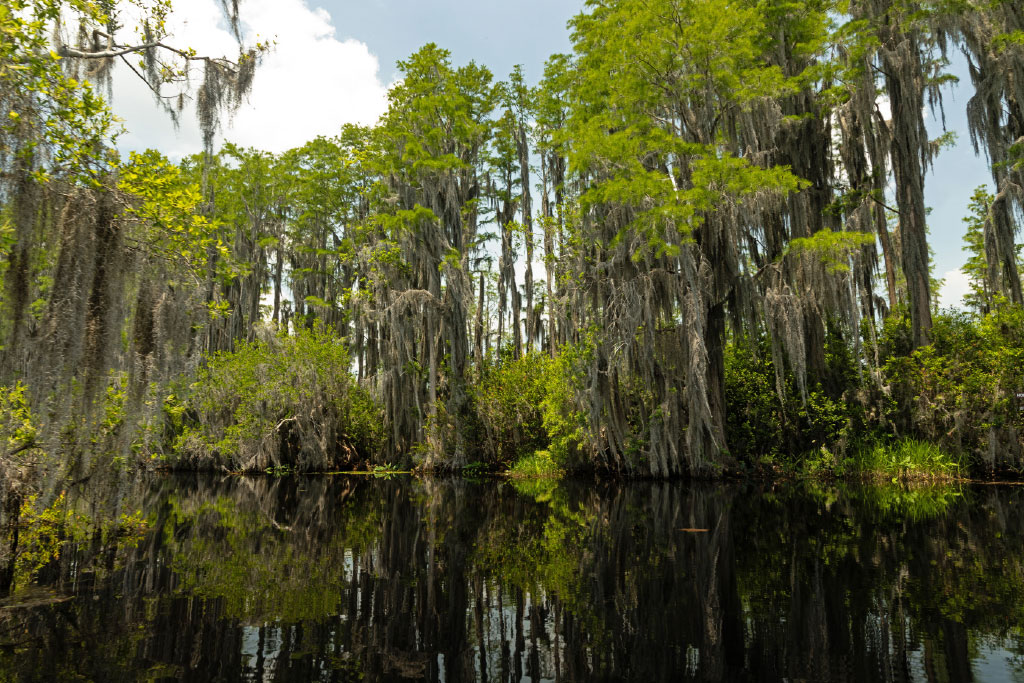
A proposed titanium mine near Georgia’s Okefenokee Swamp came to an abrupt end this summer when The Conservation Fund purchased nearly 8,000 acres from Twin Pines Minerals for about $60 million. After years of permitting battles and public opposition, the mining company agreed to sell—transferring both land and mineral rights into conservation ownership. What had been slated for excavation will now remain intact and provide an enormous buffer along the refuge’s eastern boundary. In the end, the property’s fate turned not on regulatory rulings but on a closing date and a signed deed, preserving one of North America’s last great blackwater swamps.
PERC’s legal win helps shape new endangered species reform
The U.S. Fish and Wildlife Service has proposed to overhaul parts of Endangered Species Act policy—including rescinding the controversial “blanket 4(d) rule” for threatened species, as well as broader changes to critical habitat designations, consultation standards, and other topics. The announcement follows PERC and the Rocky Mountain Elk Foundation’s successful joint litigation that challenged the agency’s reliance on a one-size-fits-all 4(d) rule that ignored species-specific needs, undermining incentives for proactive stewardship. The proposed reforms would restore Congress’s original intent: tailored, science-driven rules that reward conservation rather than punish it. As PERC’s Vice President of Law and Policy Jonathan Wood noted: “Rescinding the illegal, unscientific, and ineffective blanket rule is a necessary course correction to strengthen species recovery and puts recovery back at the heart of the Endangered Species Act.”
A berry boggy restoration
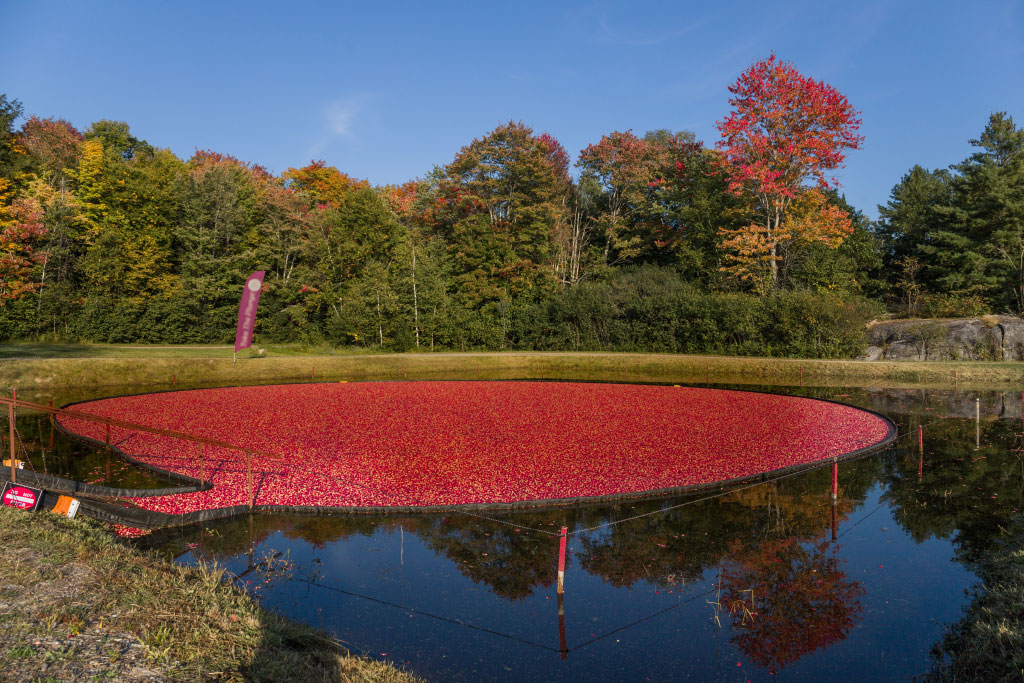
In southeastern Massachusetts, longtime cranberry growers are increasingly transitioning out of low-margin operations by selling or donating their bogs to conservation partners. As markets shift and equipment ages, many multi-generational farming families are choosing to retire their land rather than reinvest in costly upgrades. Those decisions are opening the door to a wave of wetland restorations: conservation groups negotiate directly with willing landowners, acquire bogs at fair value, and then remove dikes, reroute streams, and reestablish natural hydrology. Native brook trout have been reintroduced to some areas, part of a transformation of former farm infrastructure into functioning wetlands to places that, in some cases, have been in agriculture for two centuries.
Seeing where snow leopards roam
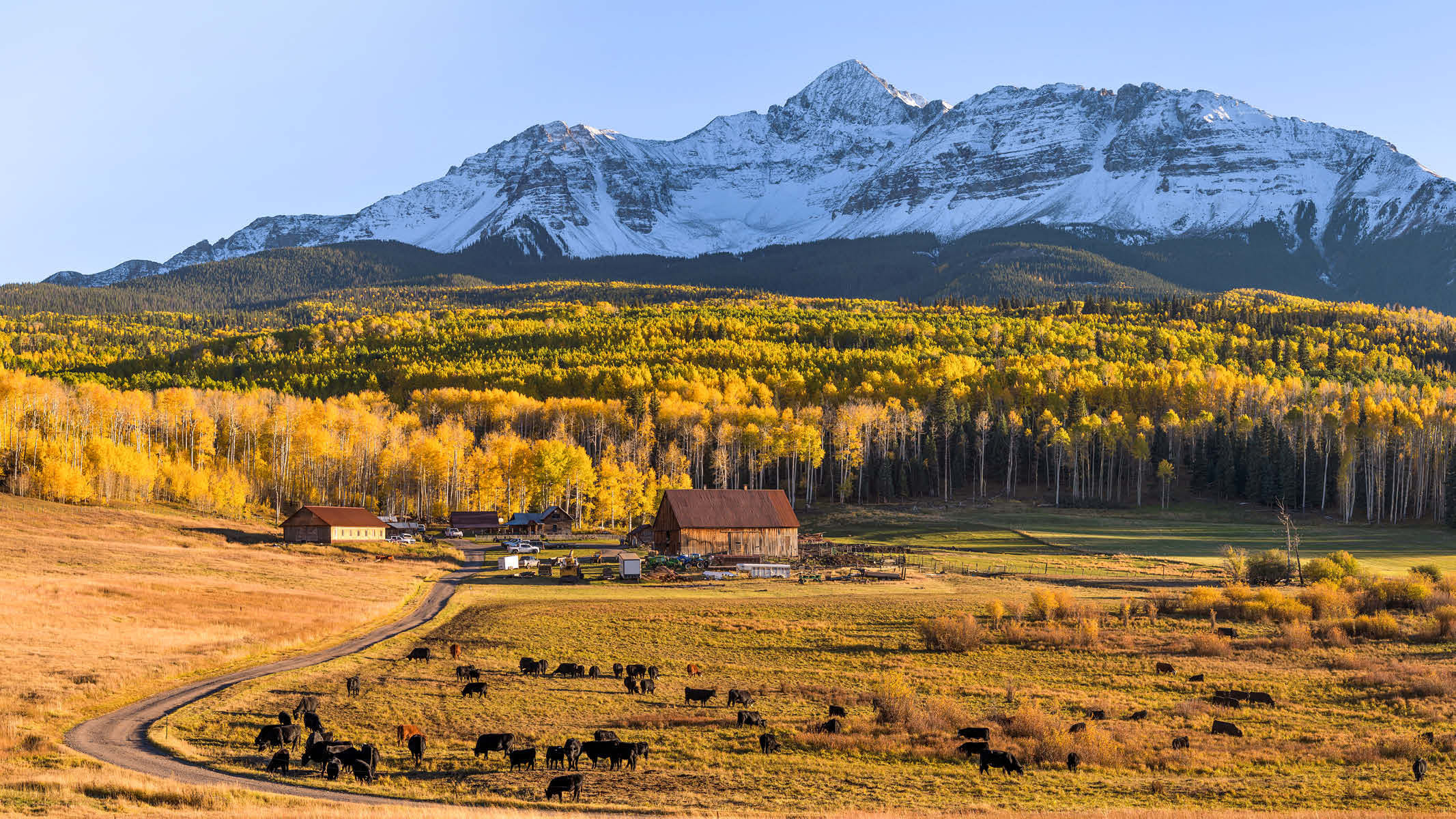
In Ladakh, India, a new 2025 census of snow leopards reveals that most of the region’s cats travel outside national parks, threading through village grazing lands and community-managed pastures. The study relied on hundreds of high-altitude camera traps and an AI-assisted system to filter images, which biologists then reviewed. The region’s rangelands are governed locally, with councils deciding how herders rotate livestock across seasons. The new data are now influencing those decisions with several villages revising grazing agreements with conservation groups to leave seasonal corridors open, while others test compensation programs that offset lost forage days. The clearer the big cats’ routes become, the easier it is to know where to focus on keeping paths intact.

Underwater cables pick up killer chatter
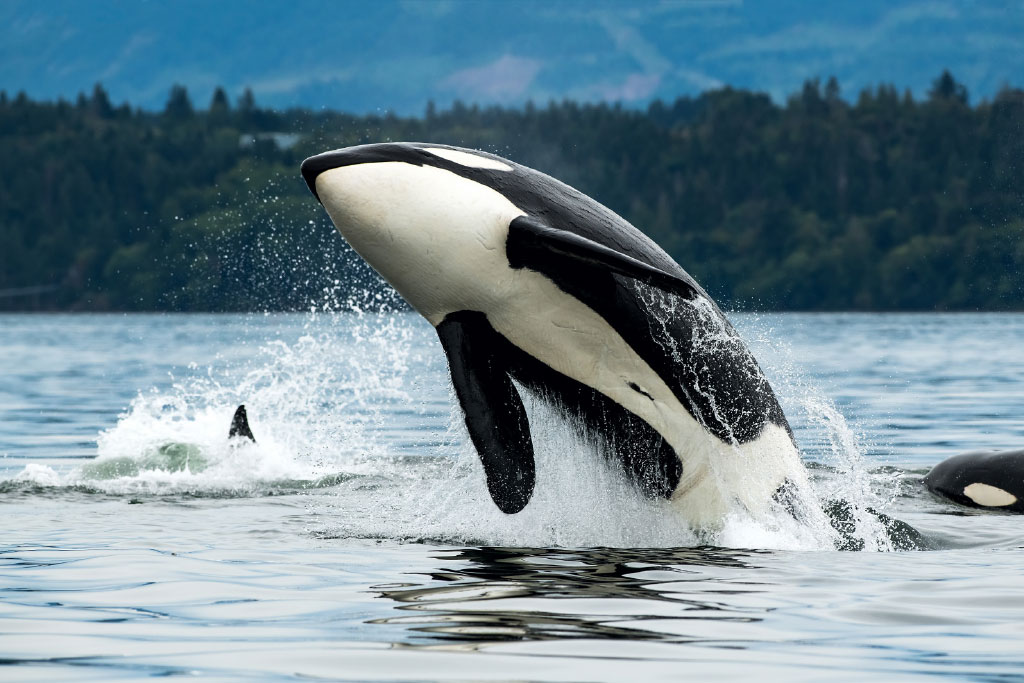
Oceanographers are repurposing dormant fiber-optic cables off Washington’s coast to listen for orcas. A new survey used acoustic sensors along the lines to log hundreds of vocalizations, mapping where whales travel as salmon runs shift and vessel patterns change. The real-time detail is already proving useful, giving coastal planners and offshore developers a clearer picture of when and where orcas are present—information that could make it easier to adjust activities that interfere with whales with far more precision than broad, season-long measures. Turning old telecom infrastructure into a listening post may help keep ships and orcas from overlapping when it matters most. Click here for more orca solutions.
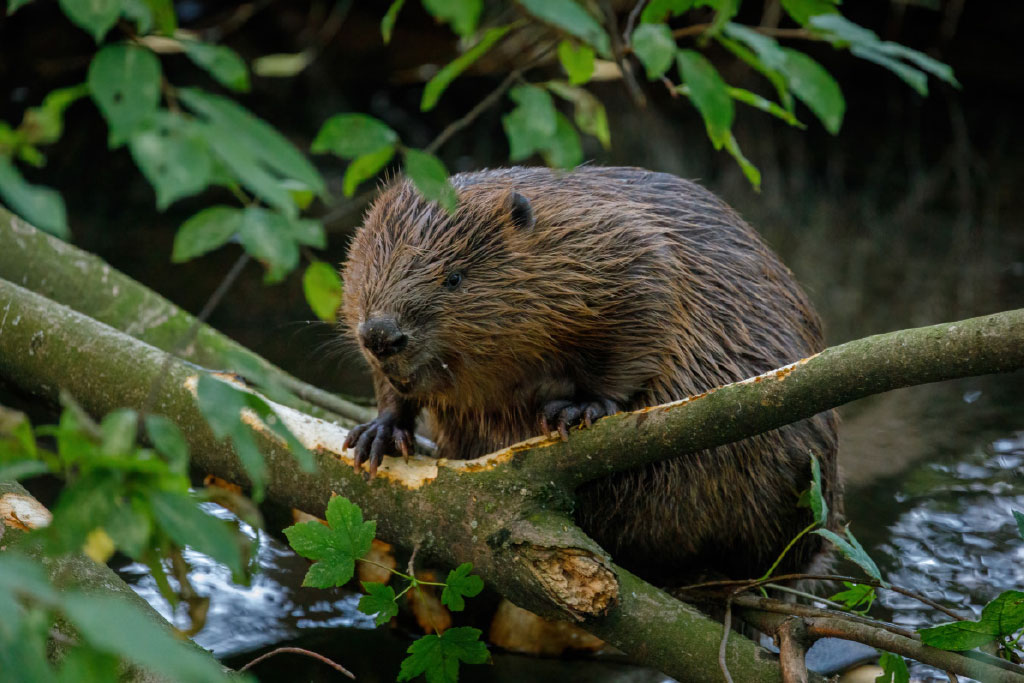
For beavers, it’s one dam thing after another.
Two new studies highlight just how effective beavers are at creating rich, biodiverse wetlands—outperforming human-built ponds by a wide margin. Researchers found that beaver-engineered sites hosted twice as many hoverflies, nearly 50 percent more butterflies, and a broader diversity of bats than comparable human-made ponds or free-flowing streams. The findings add to a growing body of evidence that beavers are powerful, low-cost partners in watershed restoration, drought resilience, and habitat creation. As landowners and agencies seek scalable tools for ecological improvement, these ecological engineers continue to demonstrate that sometimes the best restoration strategy is simply giving nature room to work.