A Concert for Conservation in the Greater Yellowstone Ecosystem
Now in its sixth year, Wildlands continues to distinguish itself as one of the most unique music events in the country, pairing world-class artists in a unique outdoor venue limited to 5,000 attendees, while raising funds for conservation groups devoted to preserving the Greater Yellowstone Ecosystem.
Produced by Outlaw Partners, Wildlands celebrates wild and scenic spaces through music and personal connection. Each ticket purchase benefits PERC’s conservation efforts in the Greater Yellowstone Ecosystem.
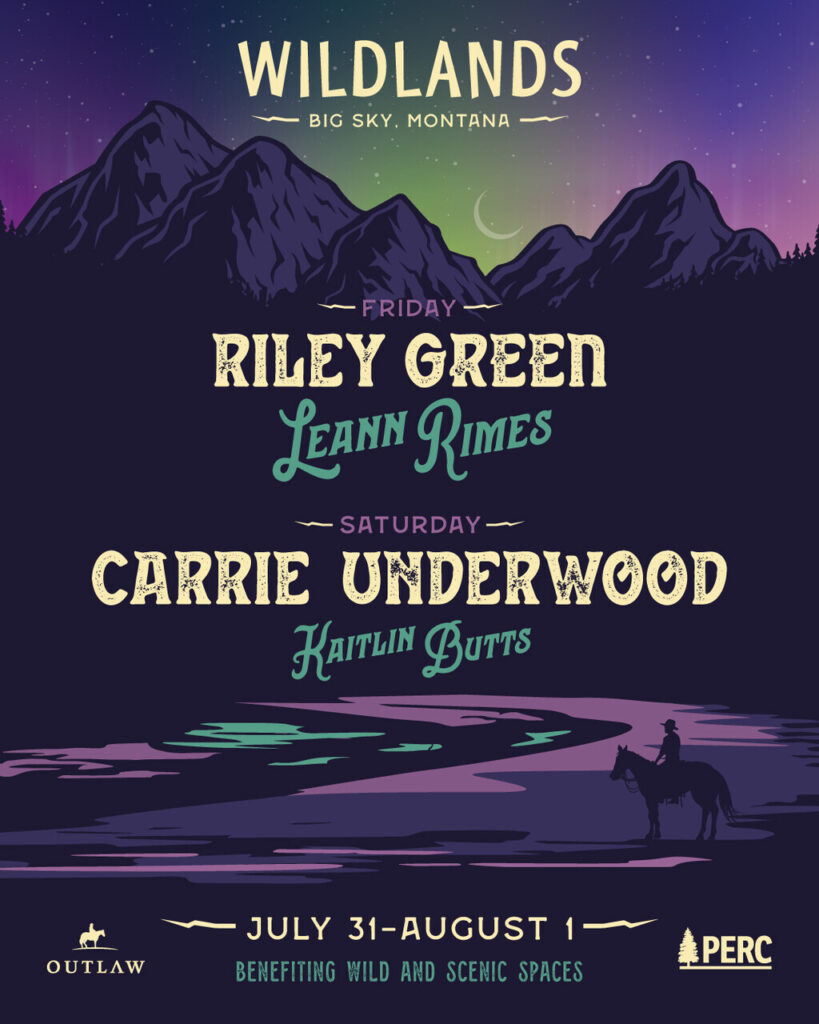
Carrie Underwood headlines, with LeAnn Rimes, Riley Green, and Kaitlin Butts
Friday, July 31
Saturday, August 1
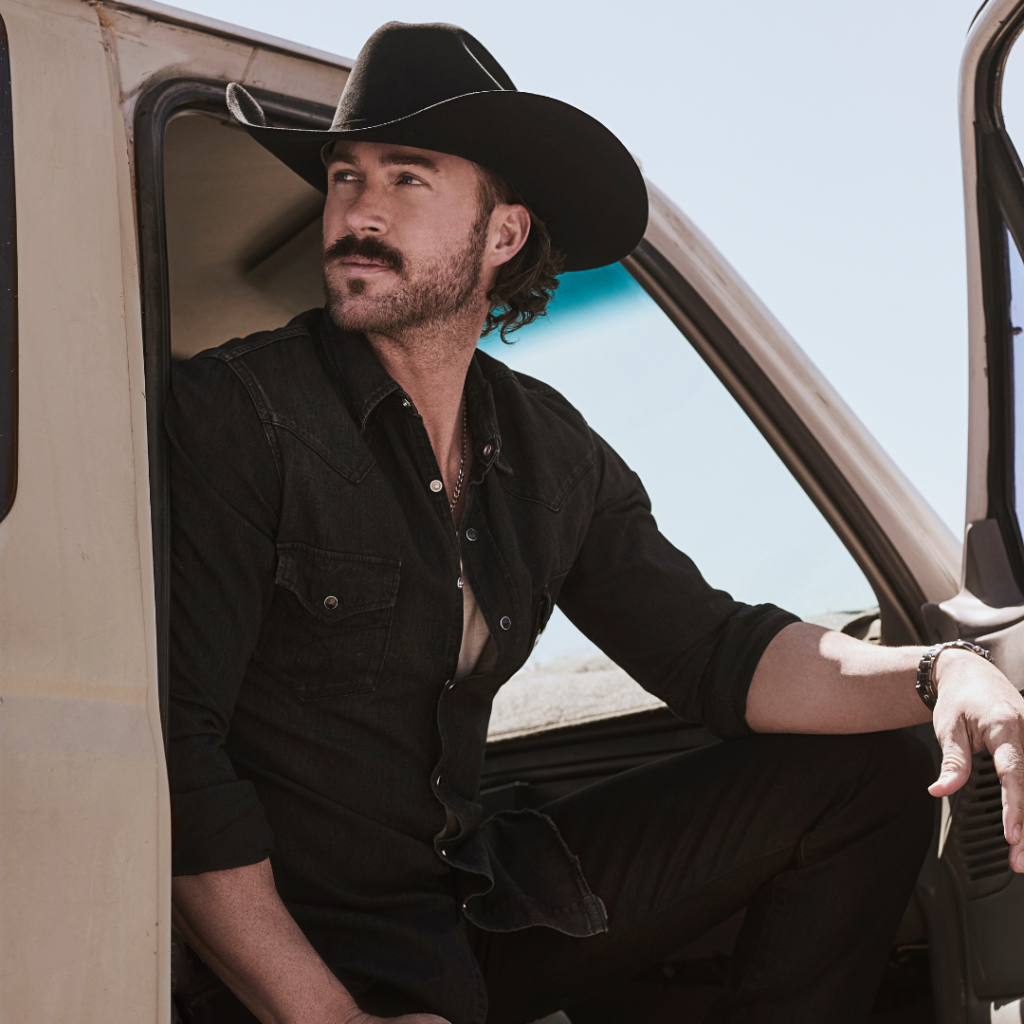
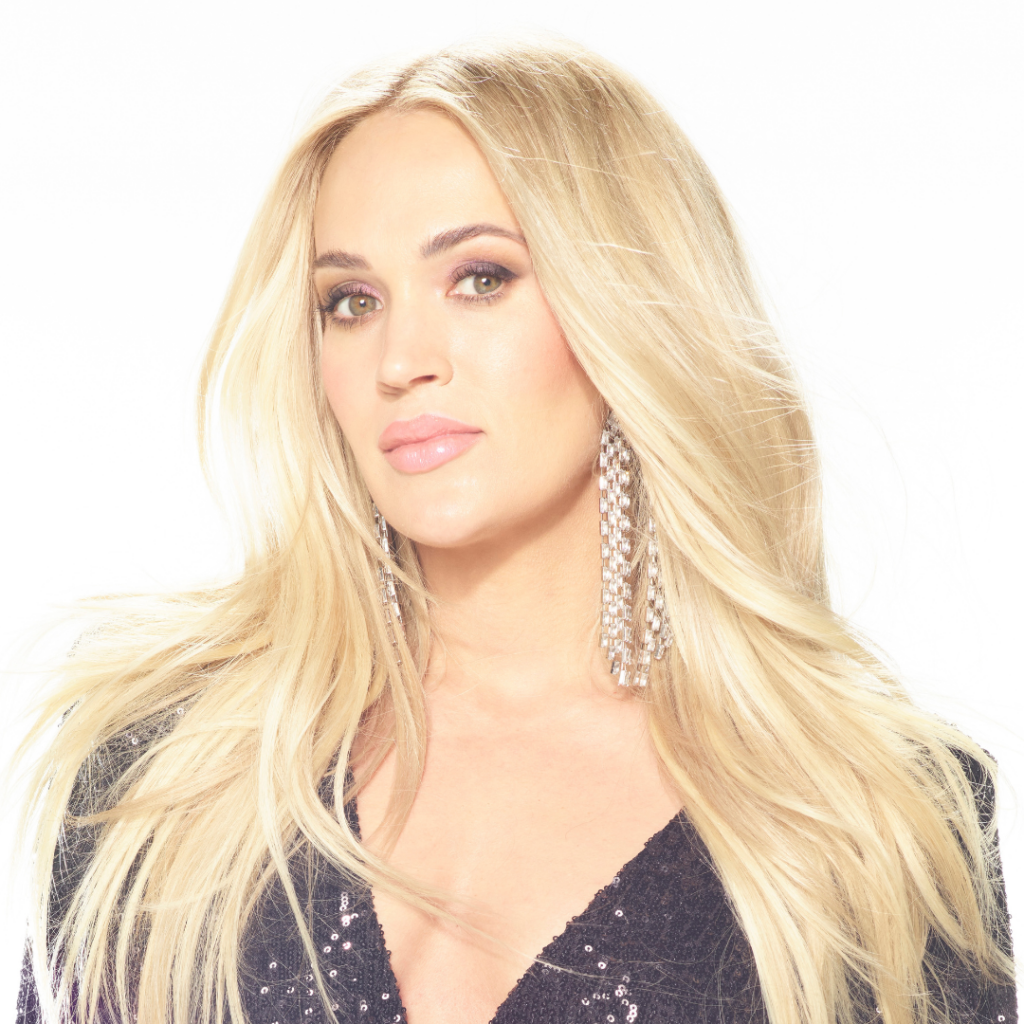

Carrie Underwood, one of the most successful artists in modern country music, will headline the weekend on Saturday, Aug. 1. Launching her career after winning American Idol in 2005, Underwood is the highest RIAA certified female country artist of all time, released 29 #1 singles (14 of which she co-write), and has won over 100 major awards, which include 8 GRAMMY® Awards, 16 Academy of Country Music Awards, with multiple Entertainer of the Year honors, and 25 CMT Music Awards, the most wins in the show’s history, among others. She has starred in the show open for primetime television’s #1 program, NBC’s Sunday Night Football, for 13 consecutive seasons, and this month will return for a second season on the judges panel of the hit show “American Idol,” alongside Luke Bryan and Lionel Richie on ABC and Hulu. A high-resolution image of Underwood can be found here. Underwood has played several times before in Montana including 2006 in Great Falls at the Montana State Fair, 2010 at Montana State University’s Brick Breeden Fieldhouse, and in 2016 in Billings at the Rimrock Auto Arena at MetraPark.
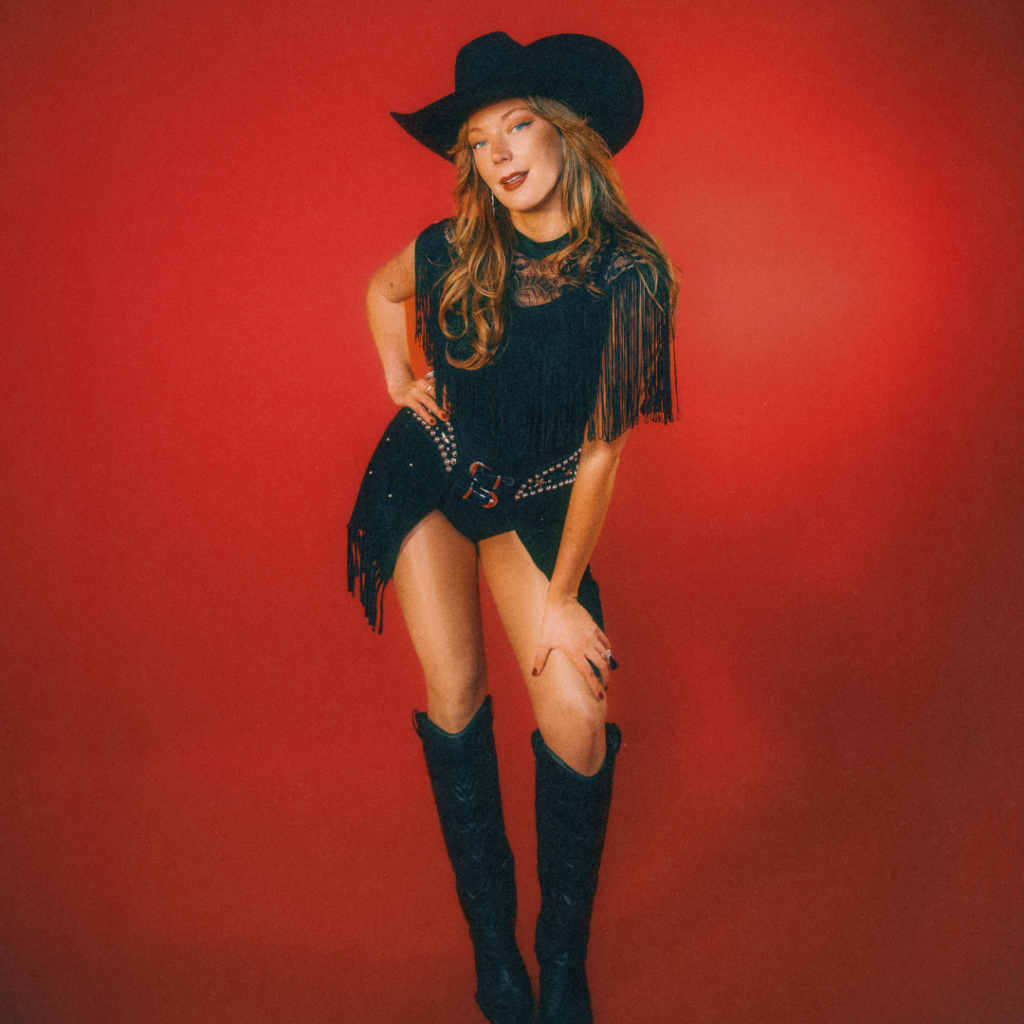
Kaitlin Butts will join Underwood on Saturday. Like Underwood, Butts is from Oklahoma and has built a strong following with music that blends traditional country sounds with a modern perspective and wit, building a respected presence in the Red Dirt and Americana scenes.
Friday, July 31, will feature country music singer-songwriters Riley Green and LeAnn Rimes. Hailing from Jacksonville, Alabama, Riley Green first broke through with hits like “There Was This Girl” and has continued to build a strong presence, earning multiple Academy of Country Music Awards, which include Single of the Year and Music Event of the Year.
Rimes rose to fame in the mid-1990s as a country music prodigy and gained international recognition at just 13 years old with her breakout hit “Blue,” becoming one of the youngest Grammy winners in history.
Benefitting Conservation
PERC is honored to be the Lead Conservation Partner for Wildlands 2026.
Headquartered in Bozeman, Montana, PERC harnesses incentives to deliver practical conservation solutions that improve stewardship across both private and public lands—from working ranches and wildlife corridors to national parks, forests, and other treasured landscapes of the American West.
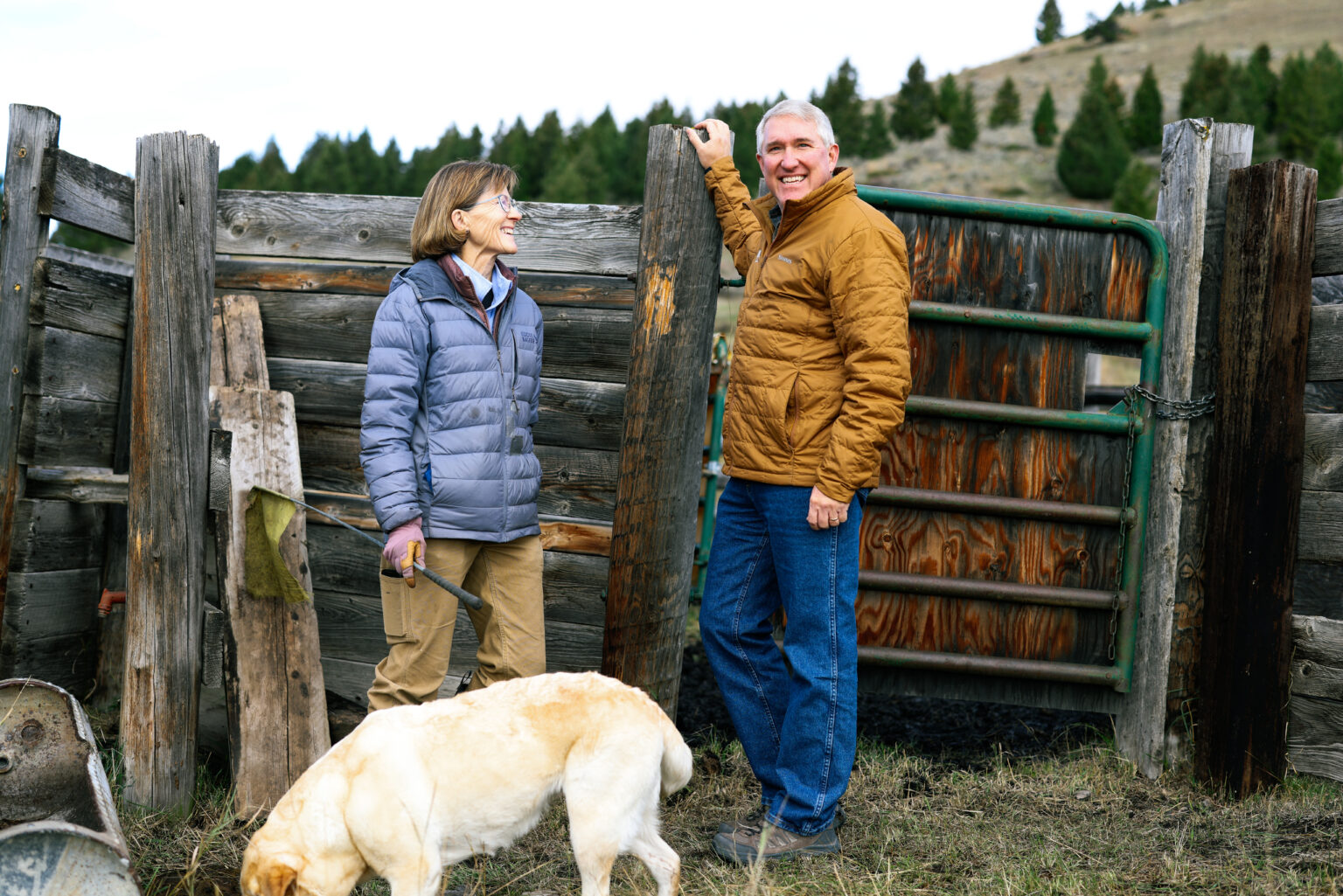
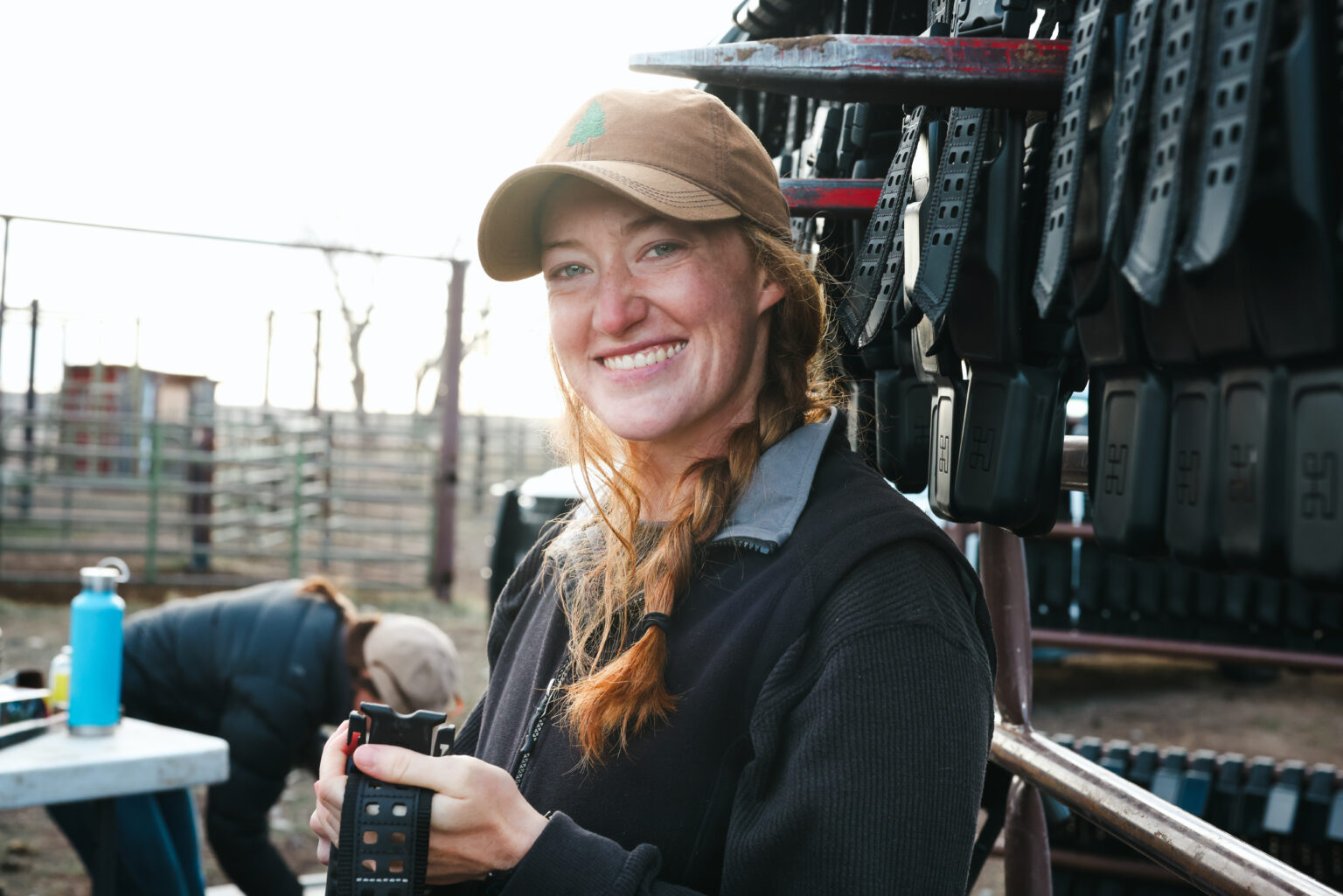
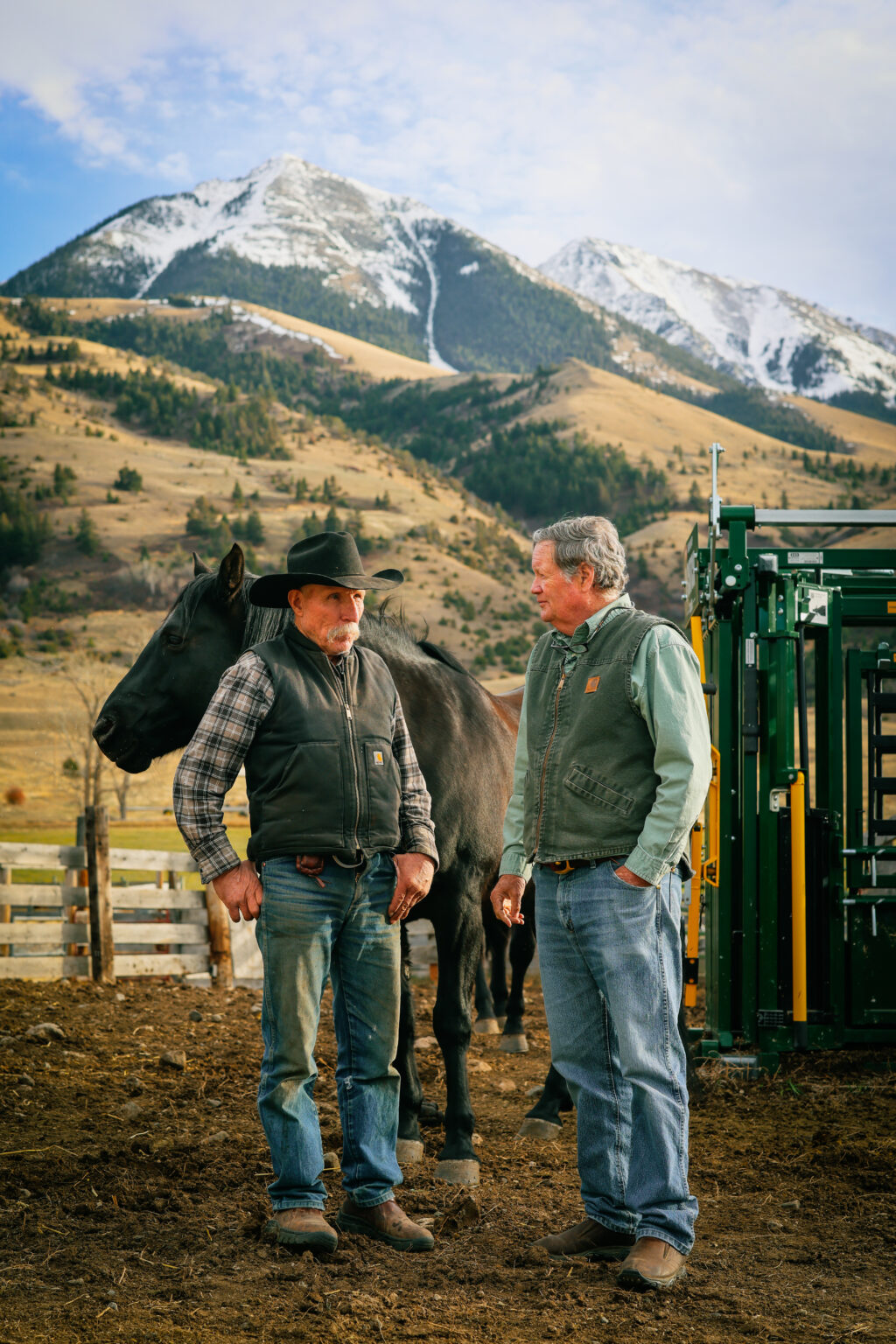
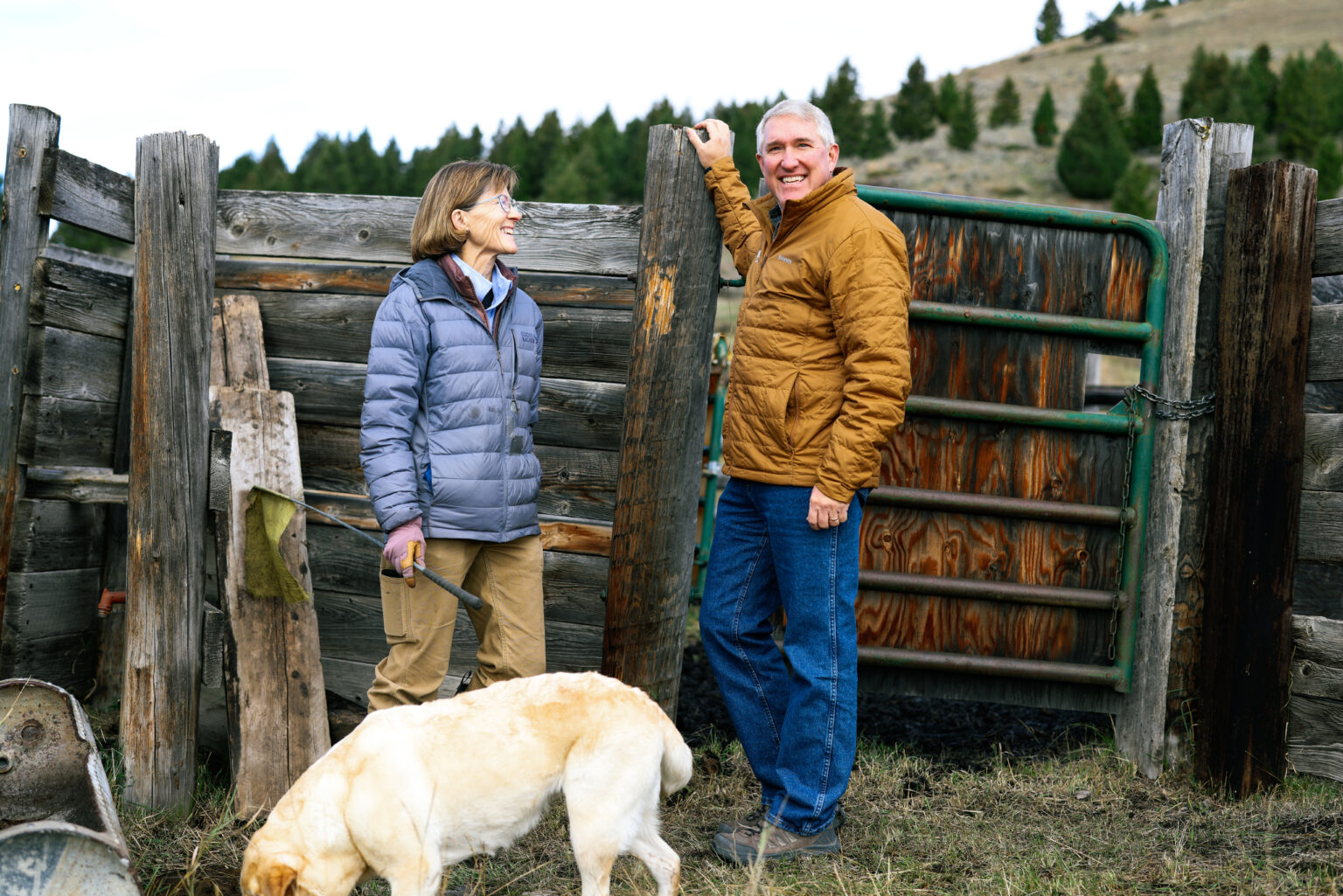
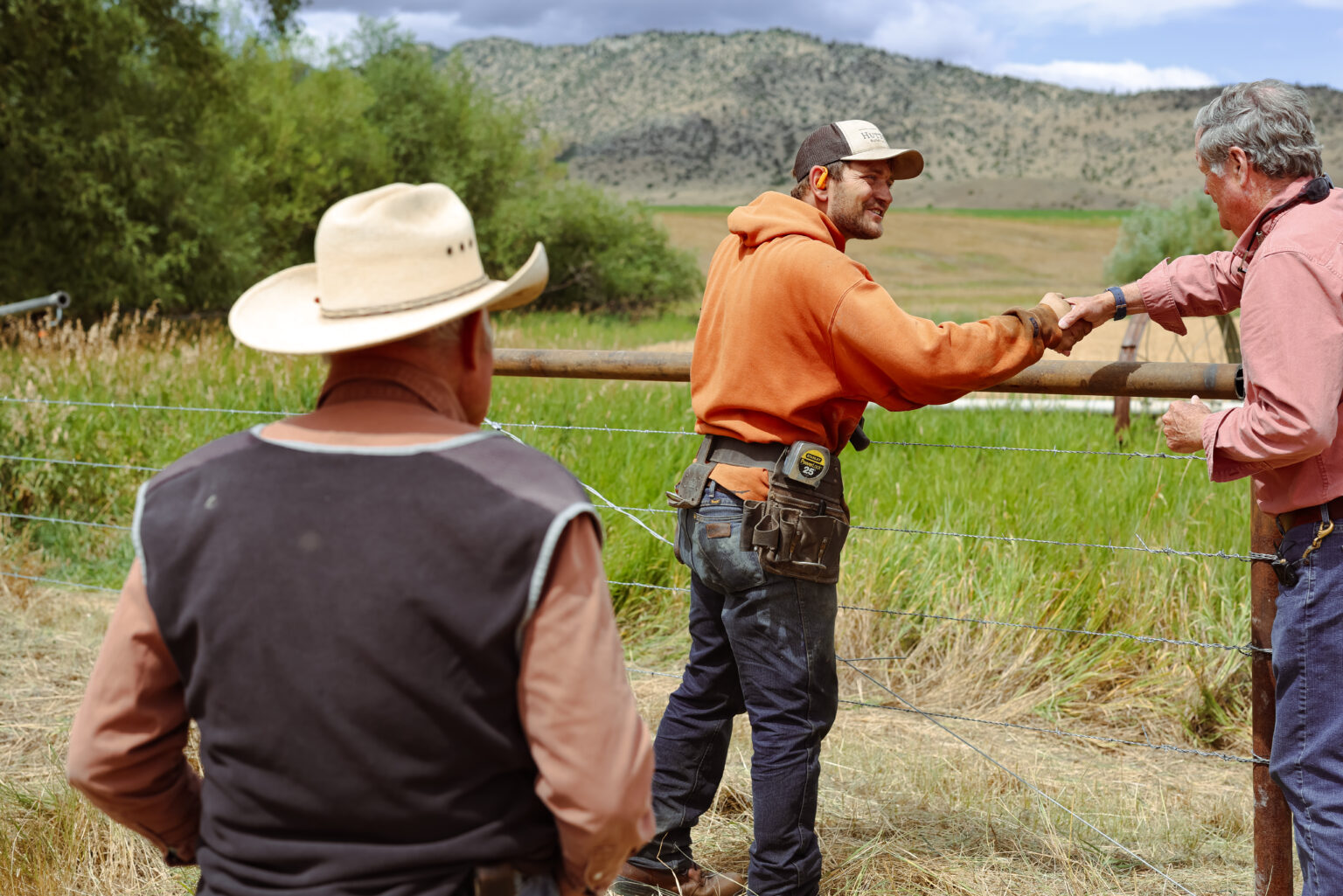
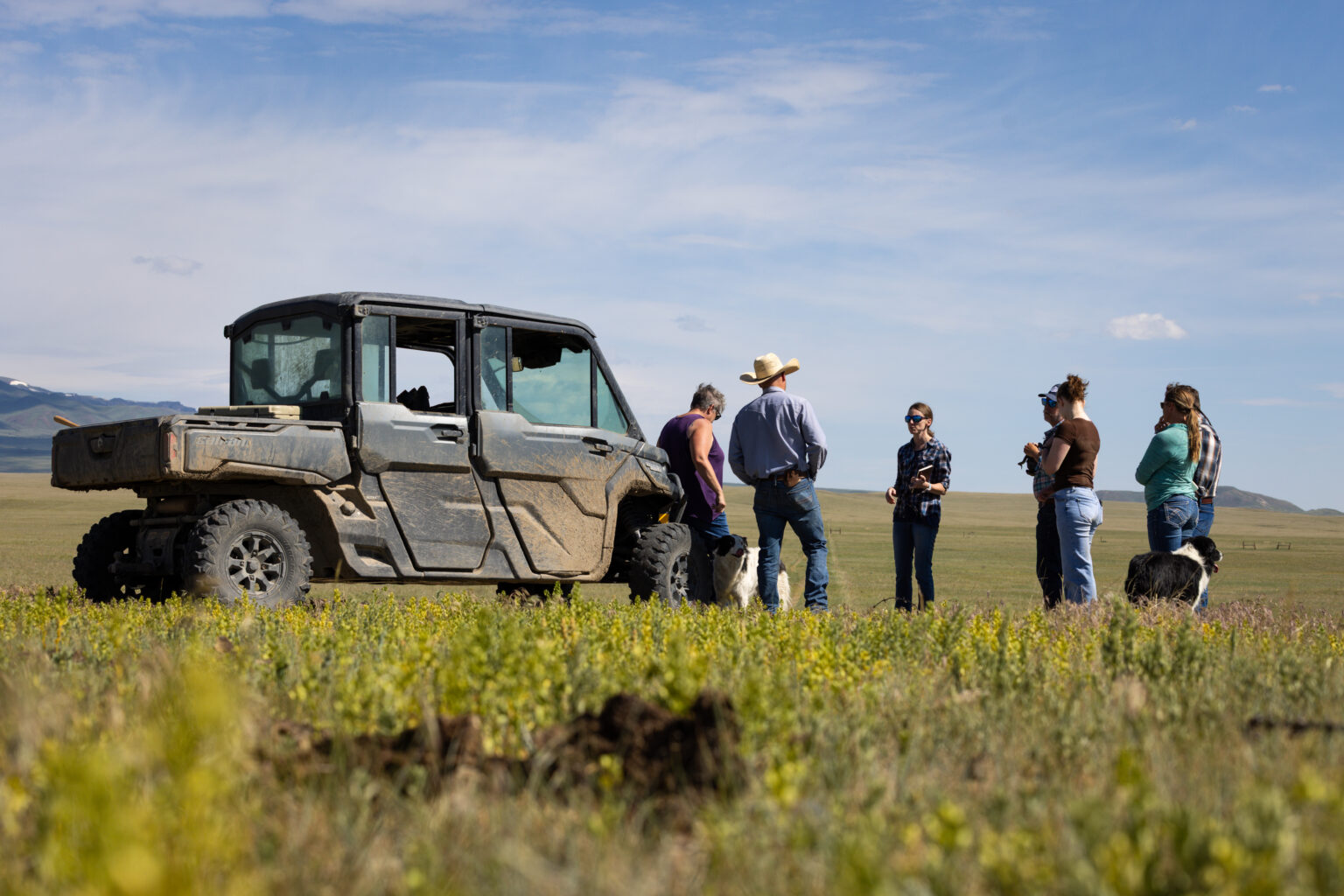
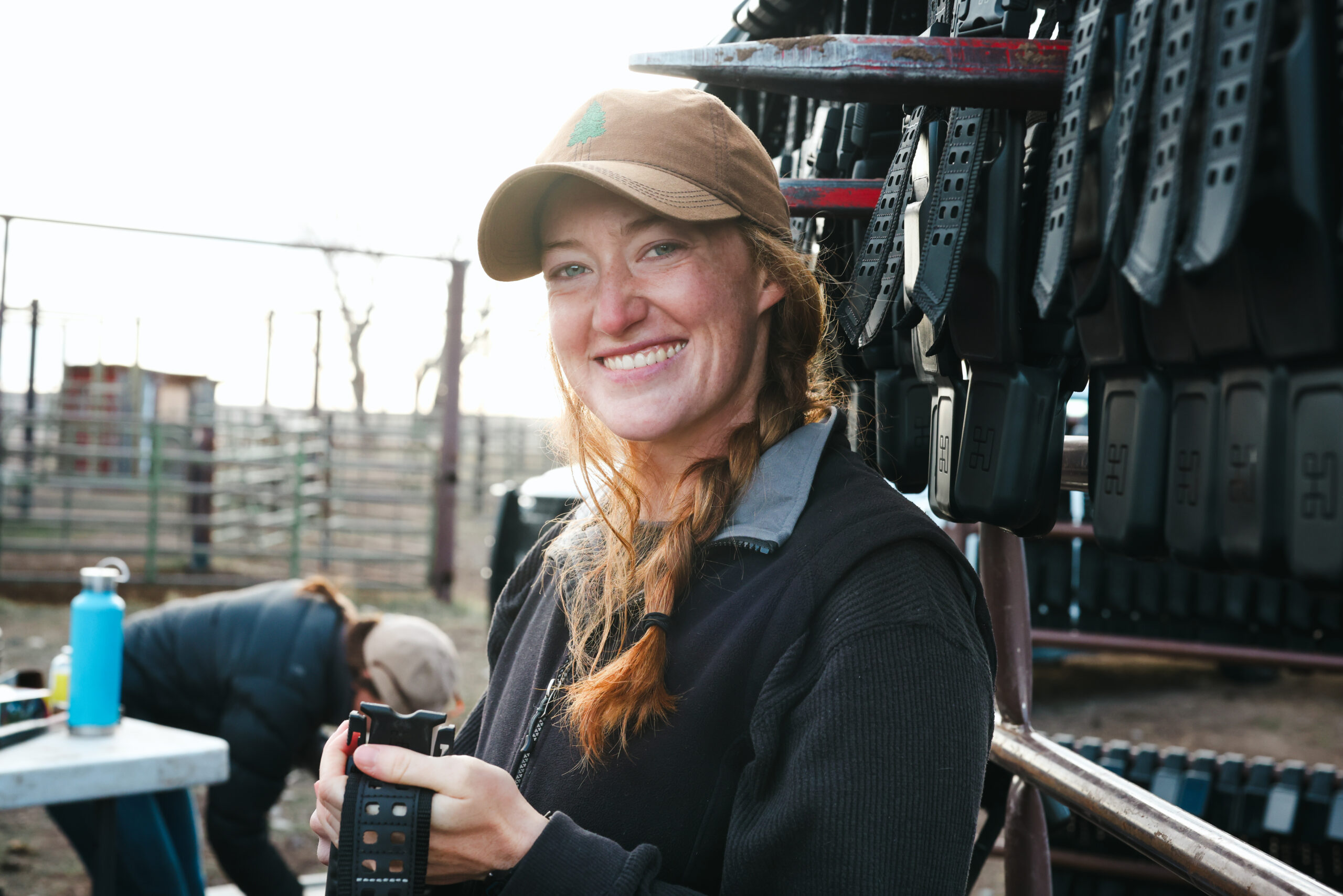
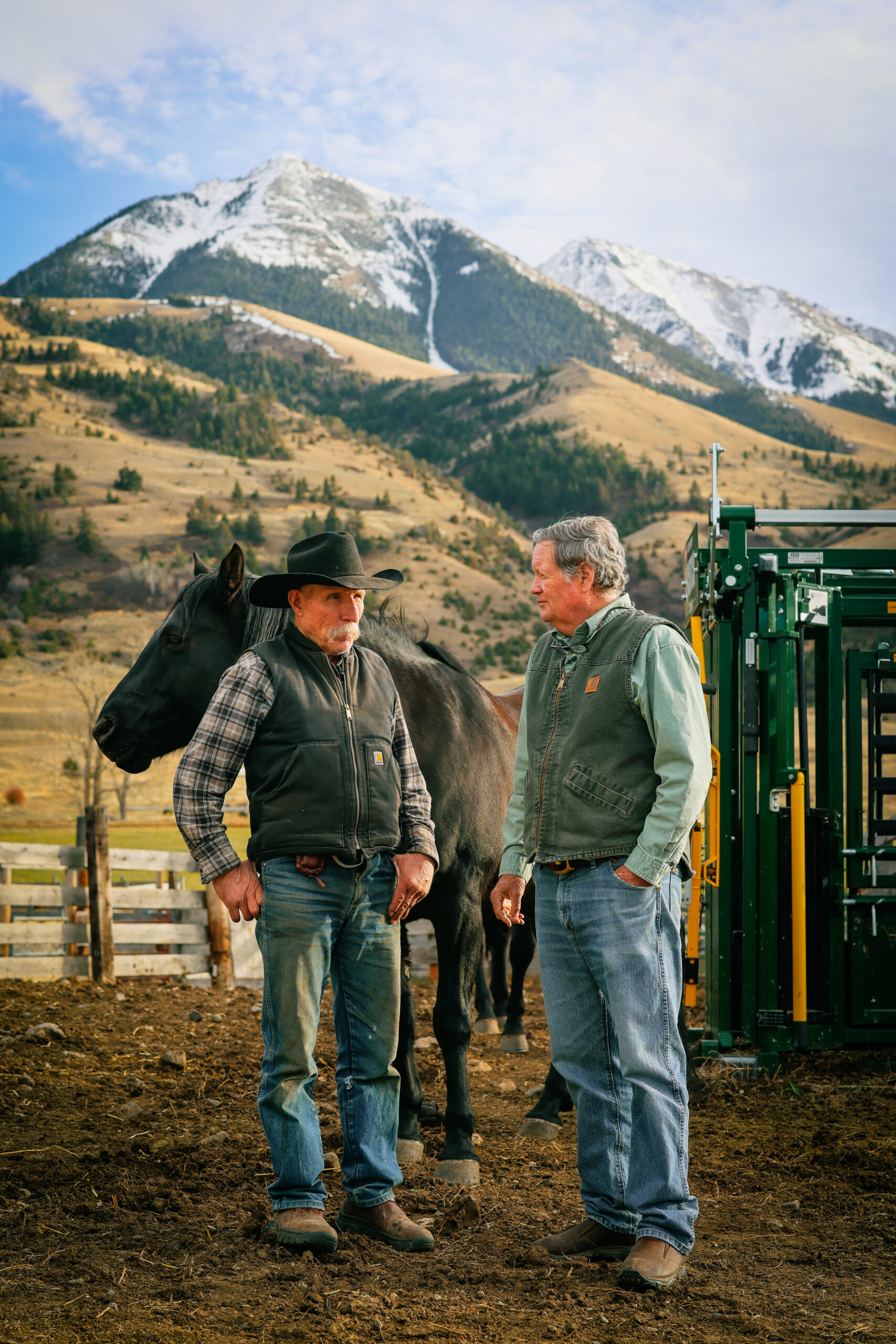
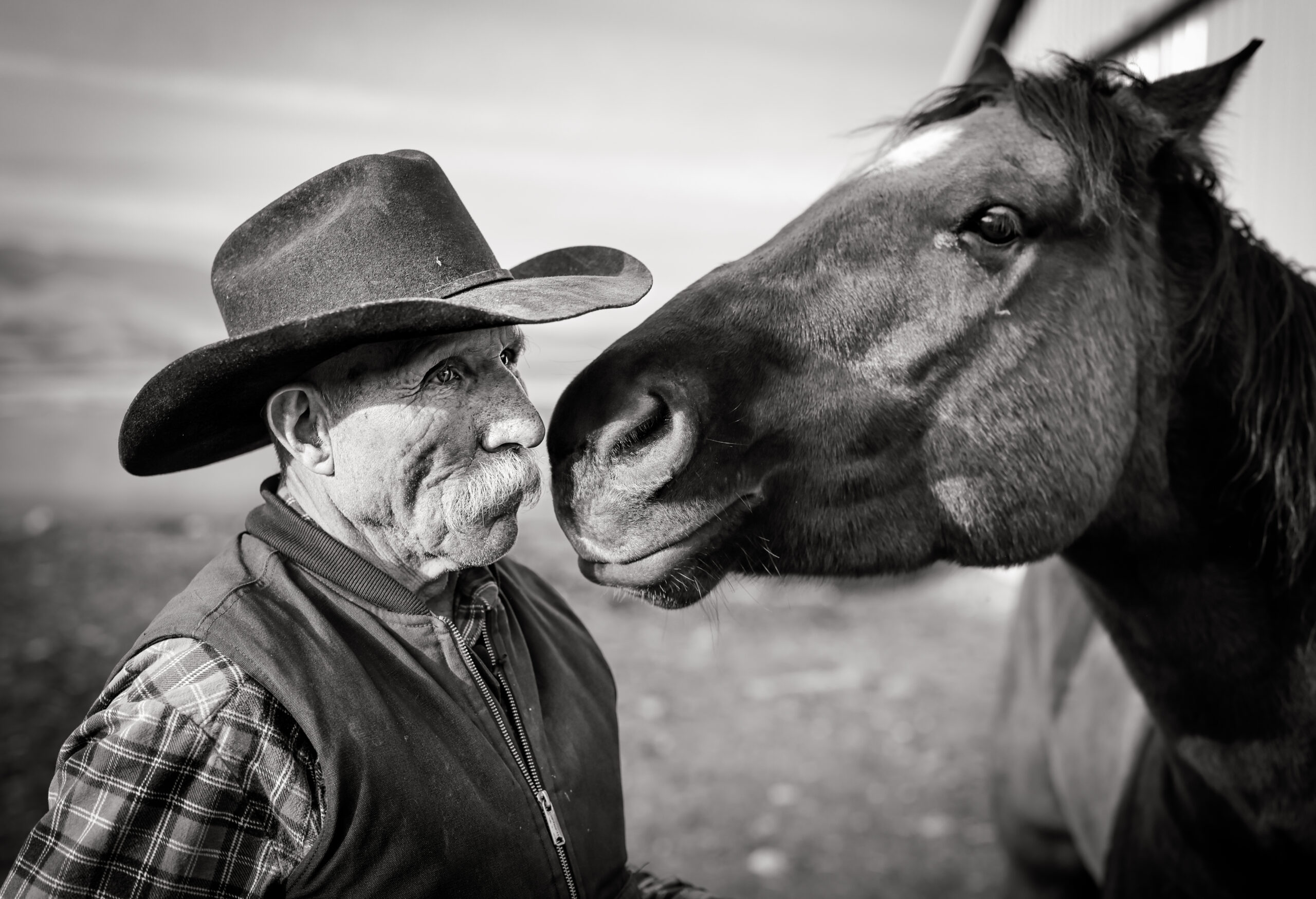
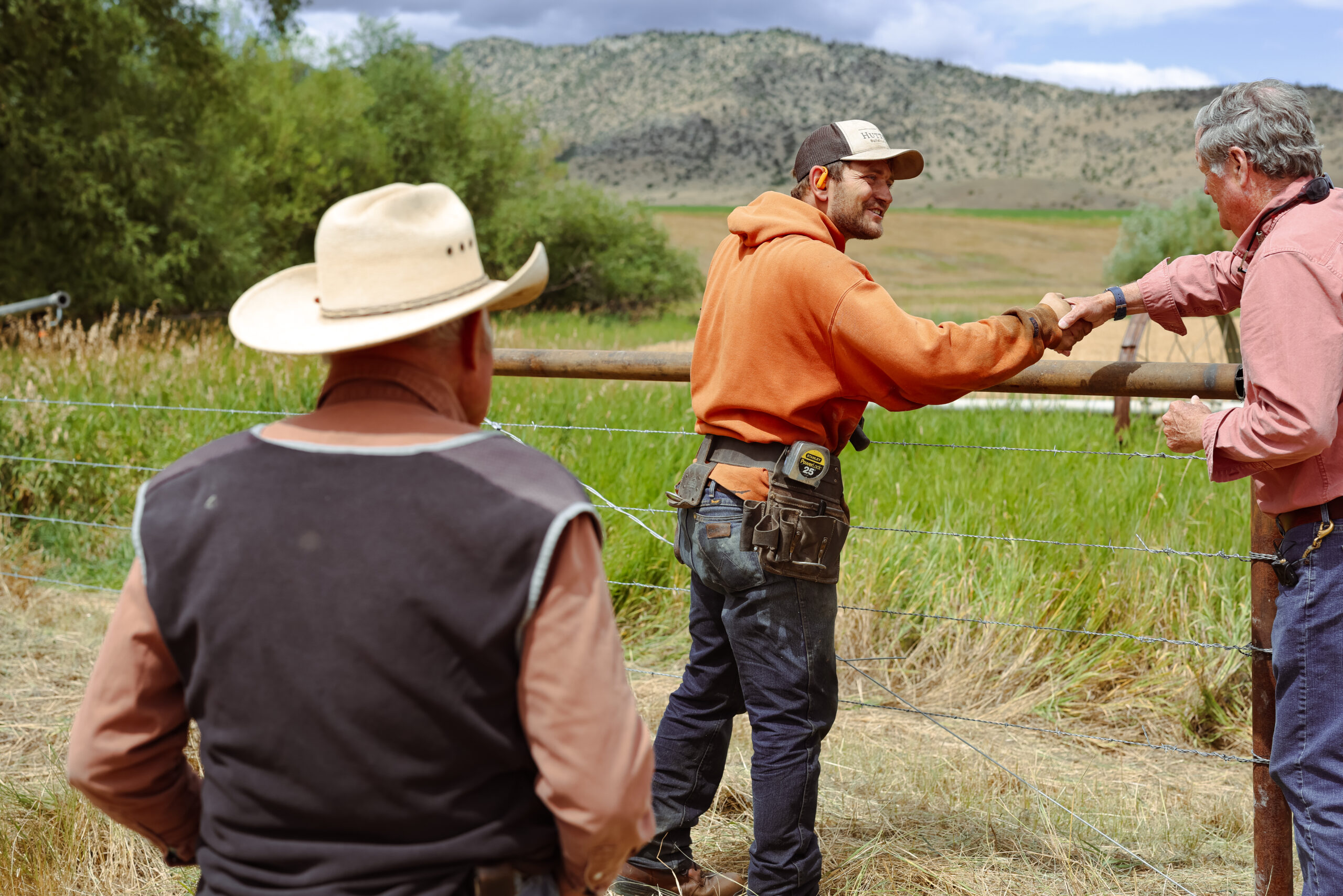
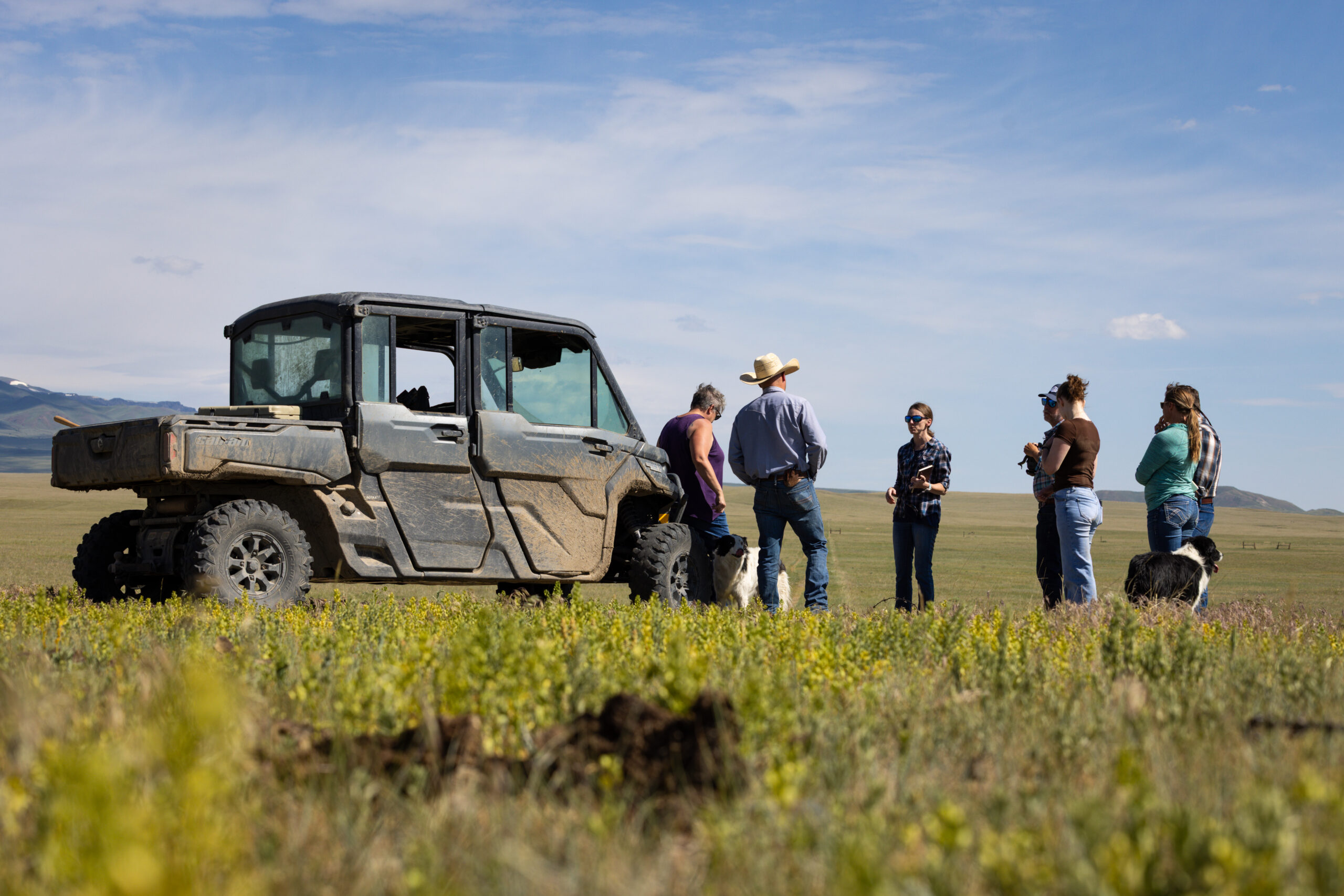
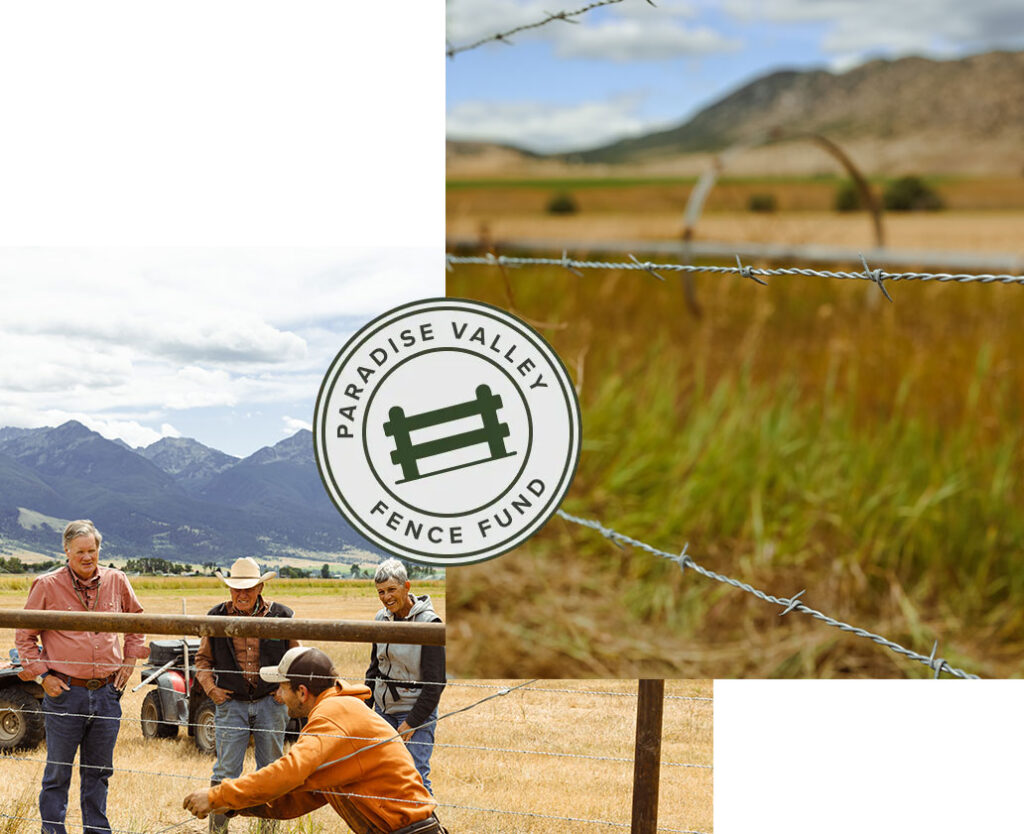
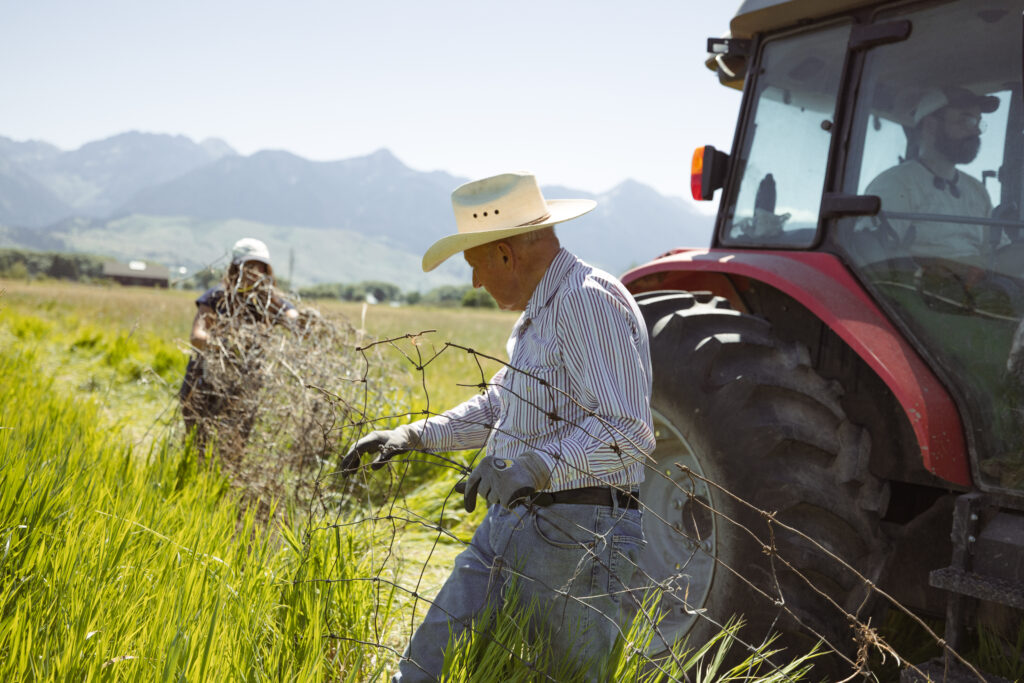
Working alongside ranching families, public land managers, and local communities in places like Montana’s Paradise Valley and the Greater Yellowstone Ecosystem, PERC helps make conservation a win for wildlife, people, and the lands they depend on by aligning economics with ecology.
We are incredibly grateful to Outlaw Partners and the Wildlands team for this amazing honor.
A Region That Depends on Connectivity
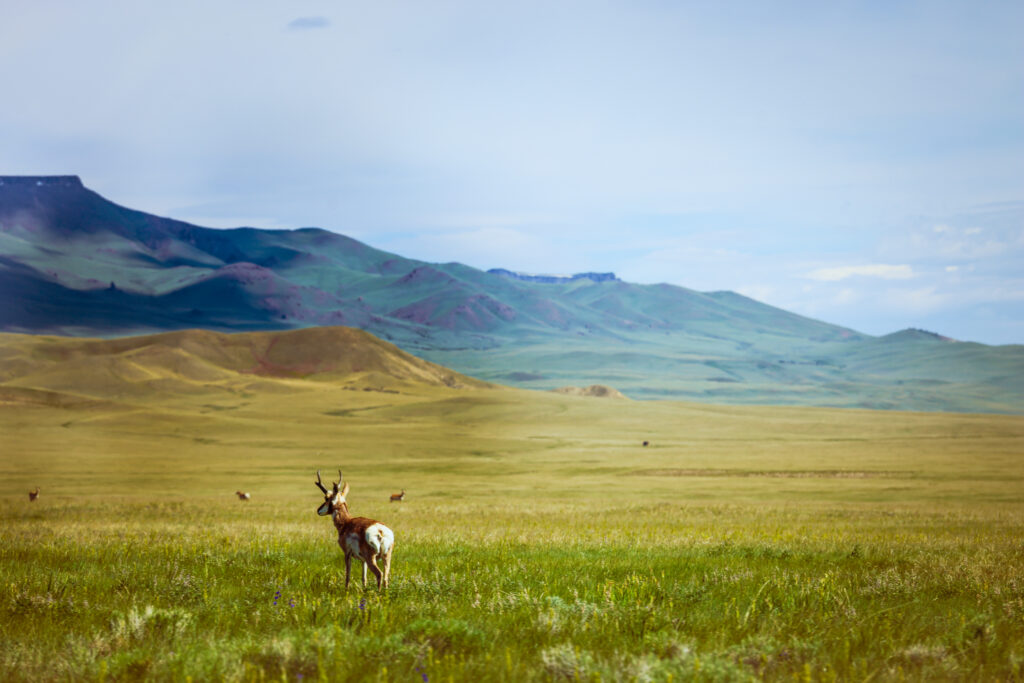
The Greater Yellowstone Ecosystem is one of the largest intact temperate ecosystems on Earth, anchored by the world’s first national park, Yellowstone. The region supports iconic wildlife across a breathtaking landscape that still functions at scale.
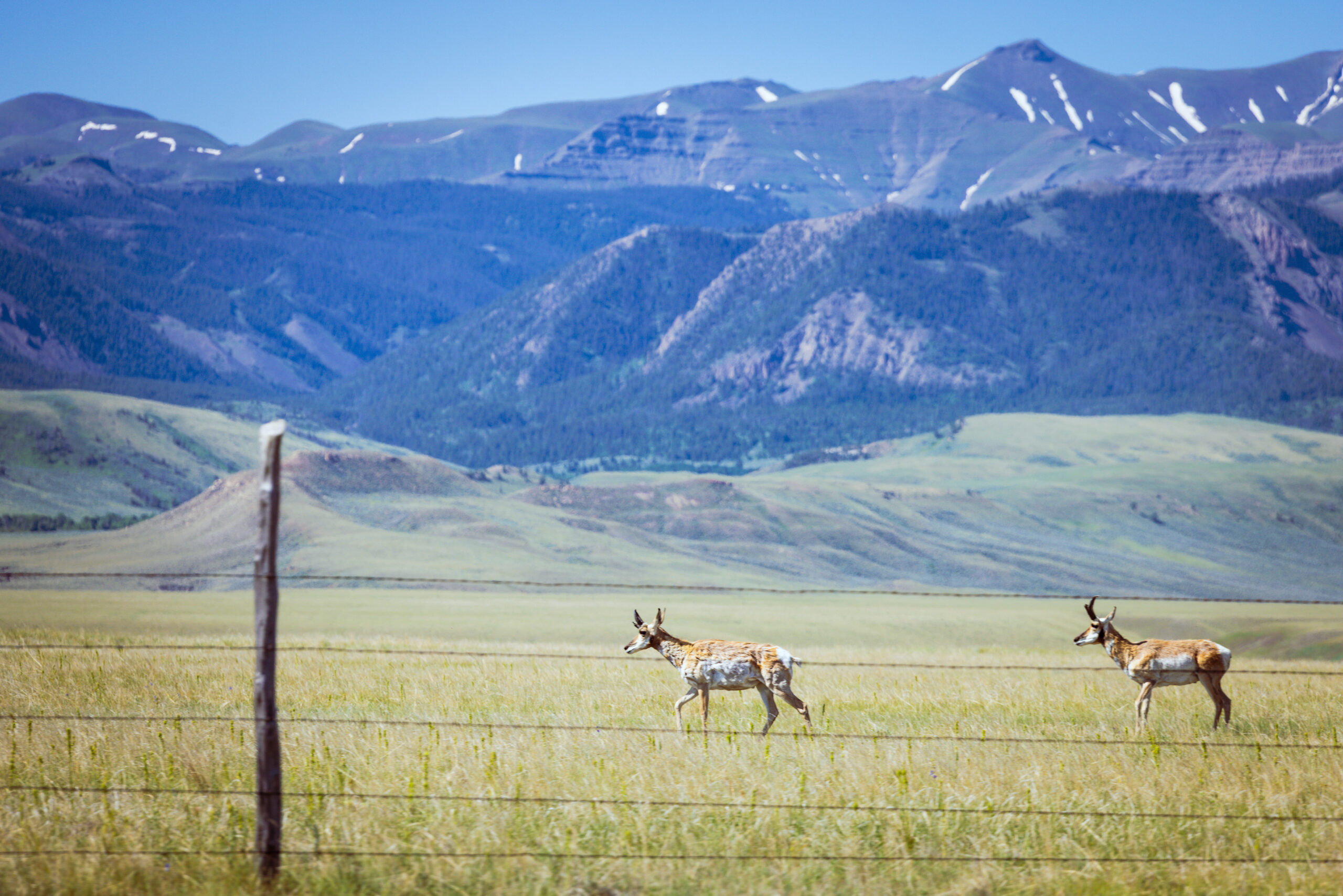
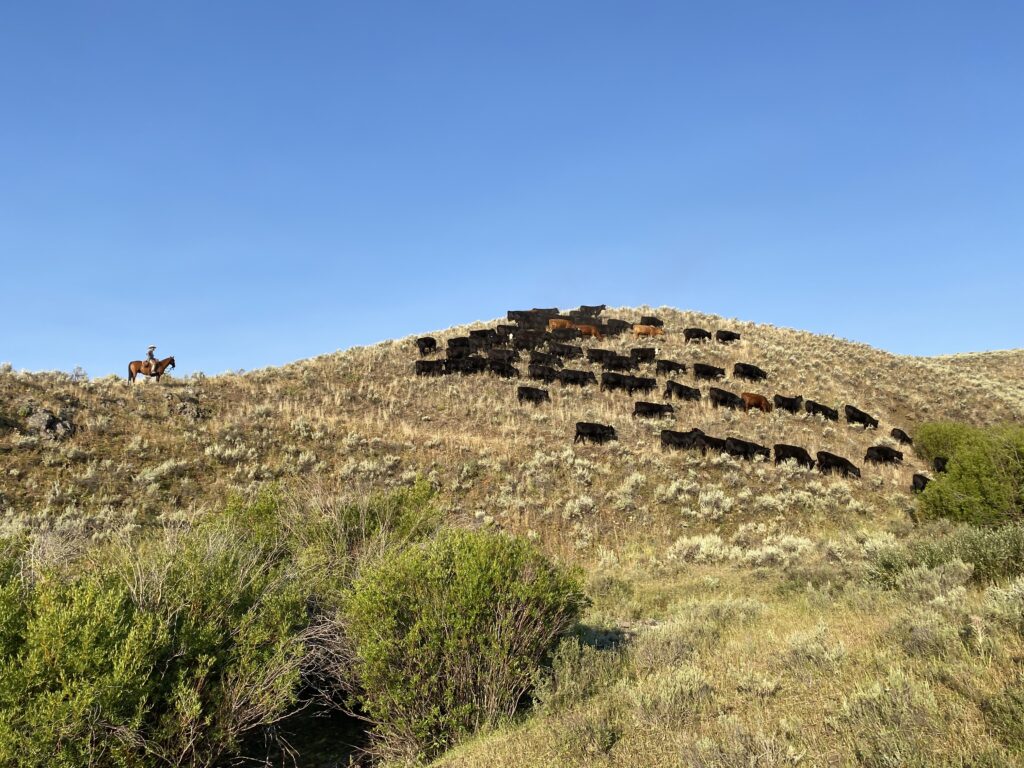
That function depends on lands beyond the park. About 30 percent of the Greater Yellowstone Ecosystem is privately owned, and working ranches provide resources for wildlife as they traverse critical migration corridors and seasonal habitat.
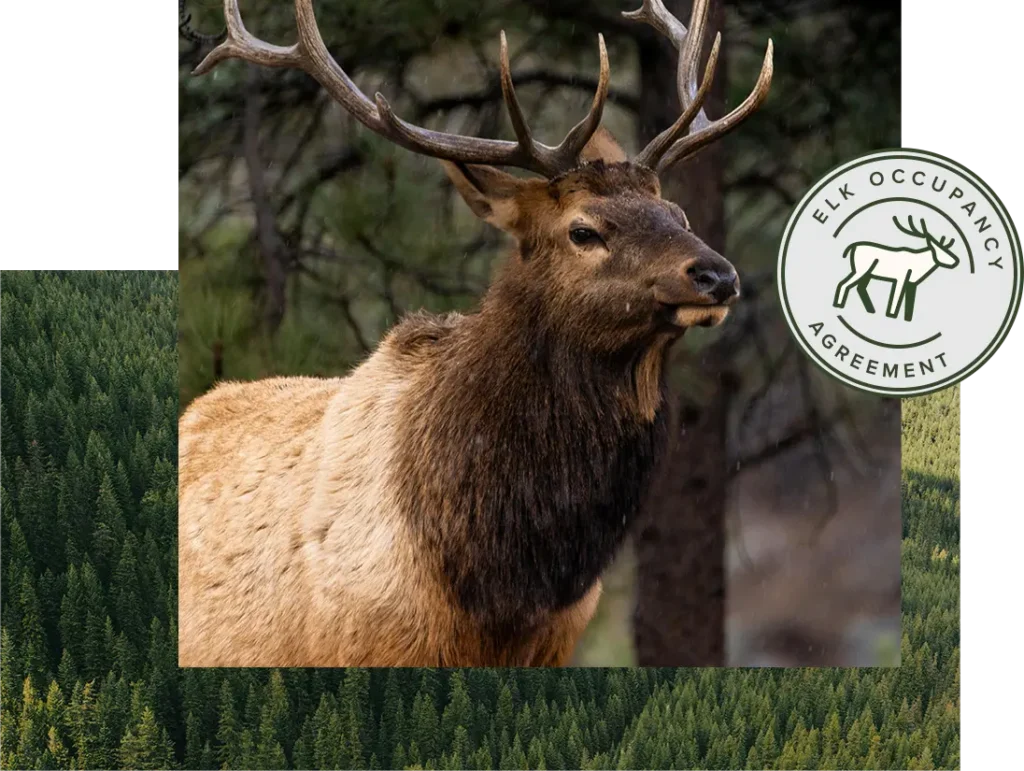
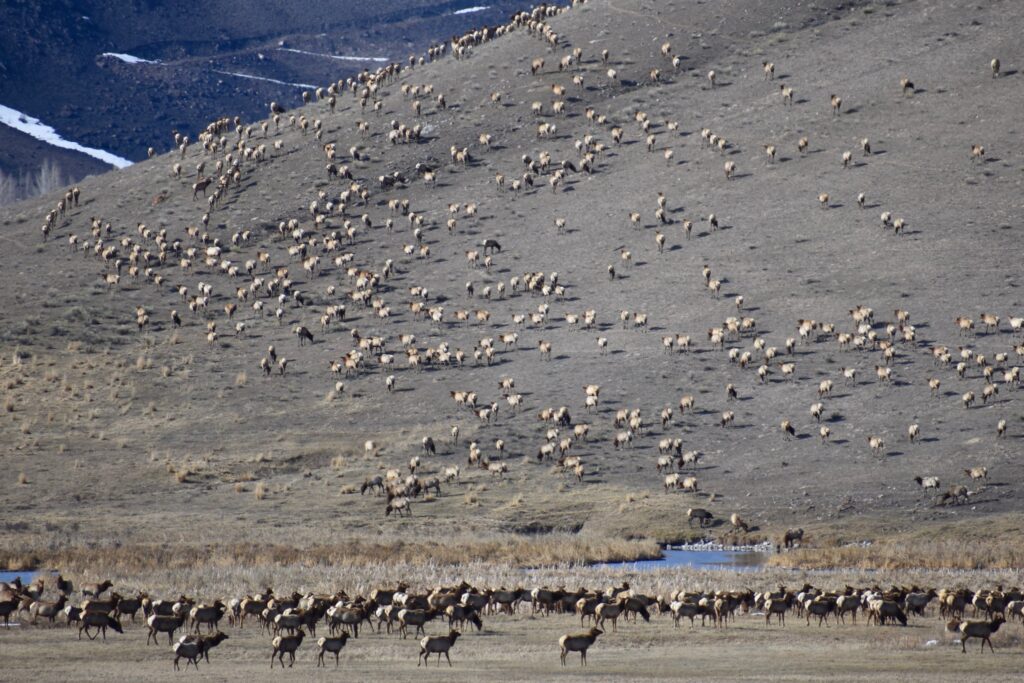
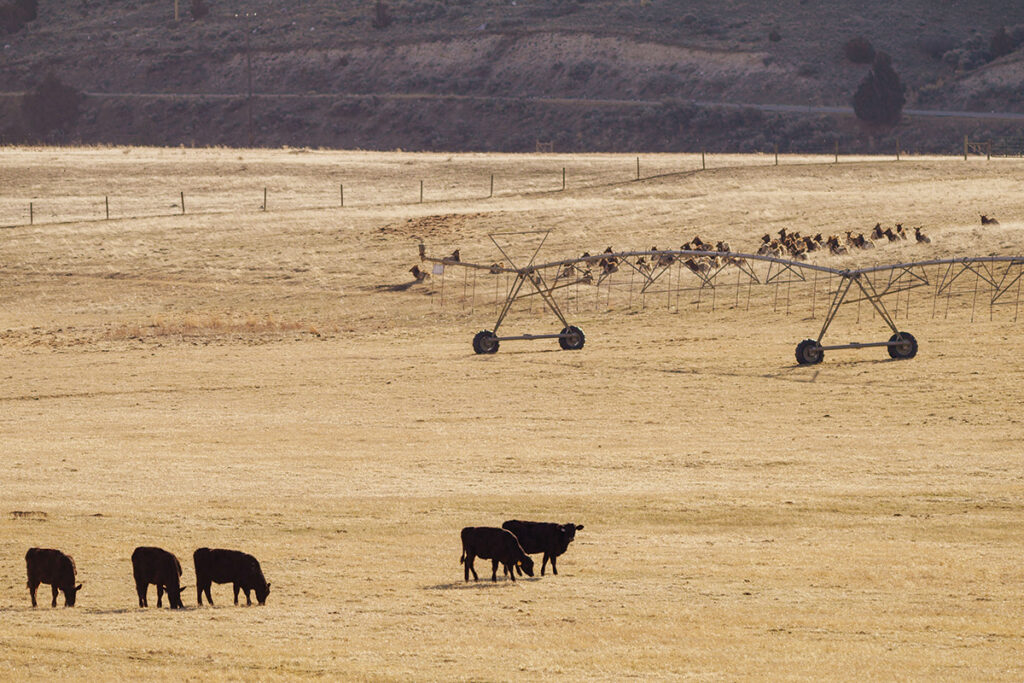
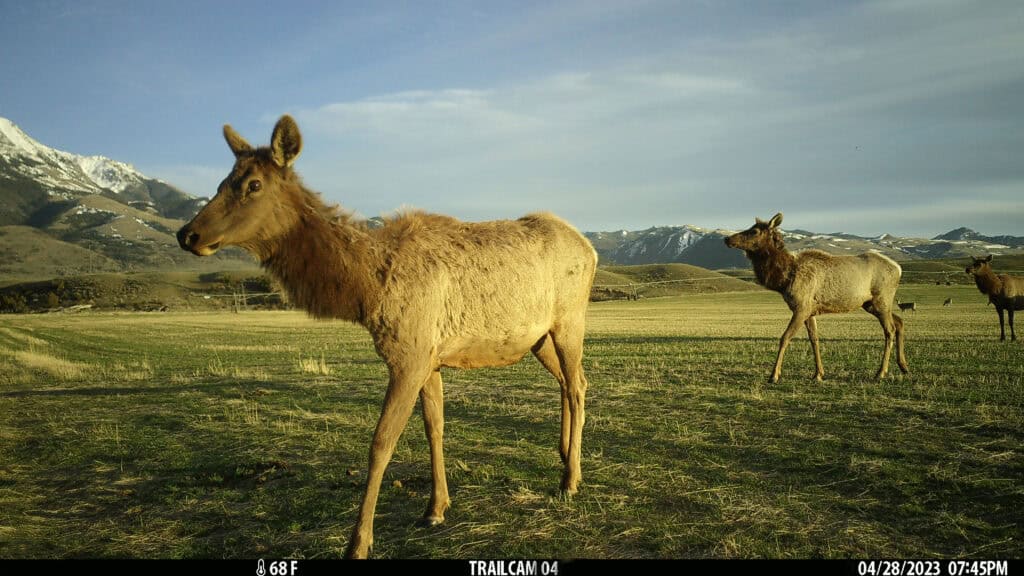
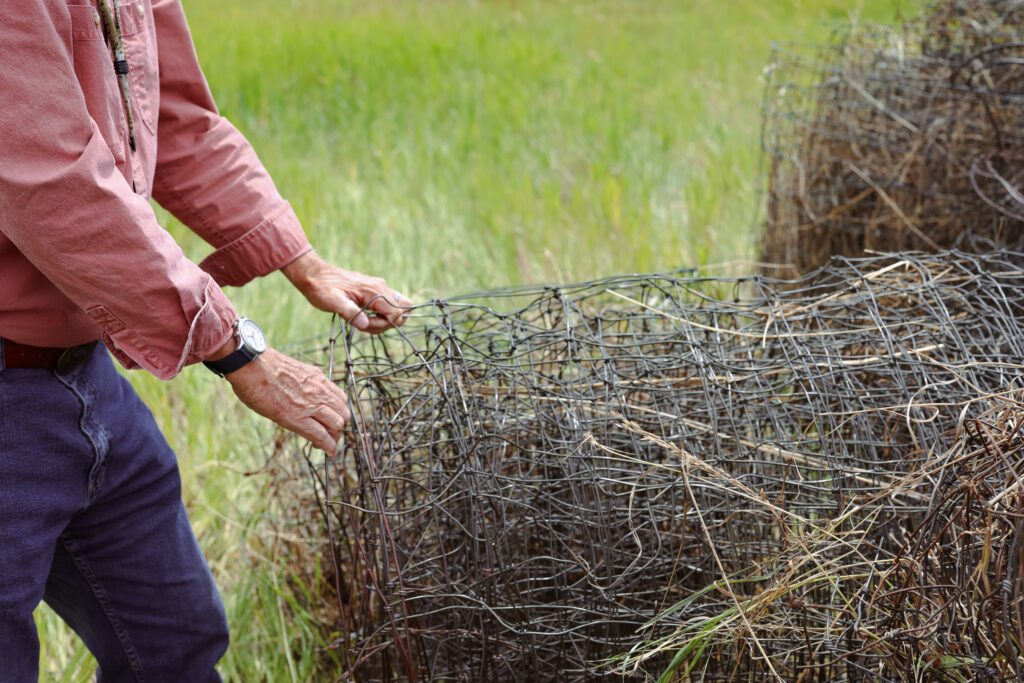
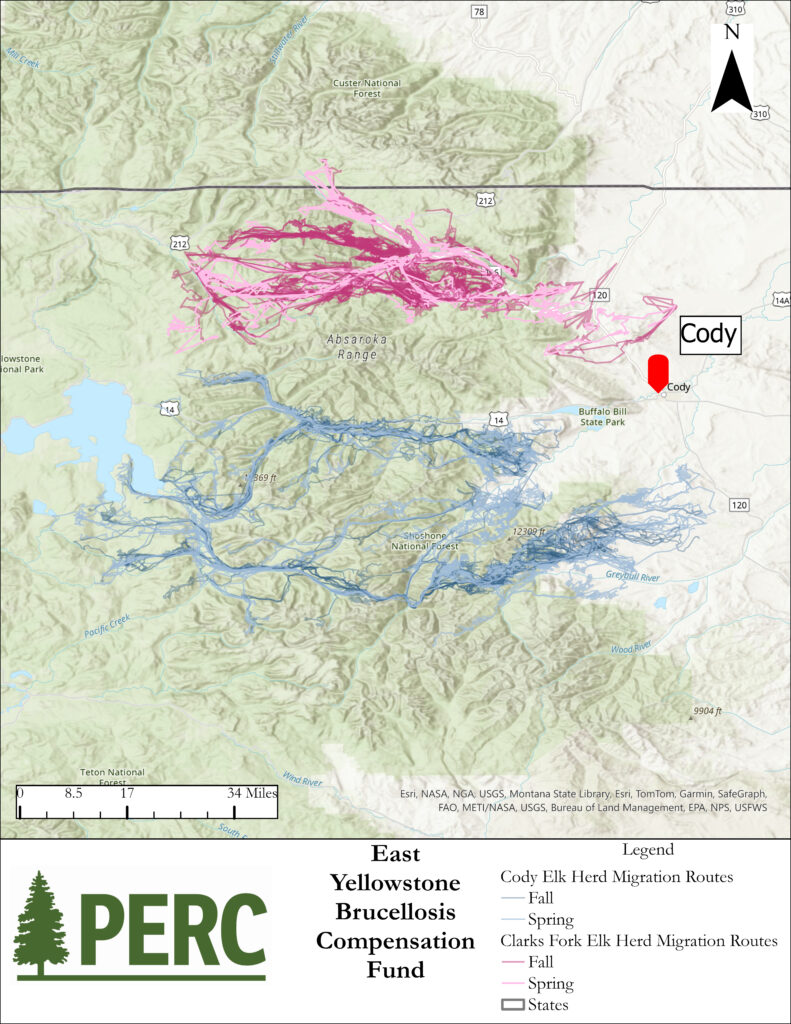
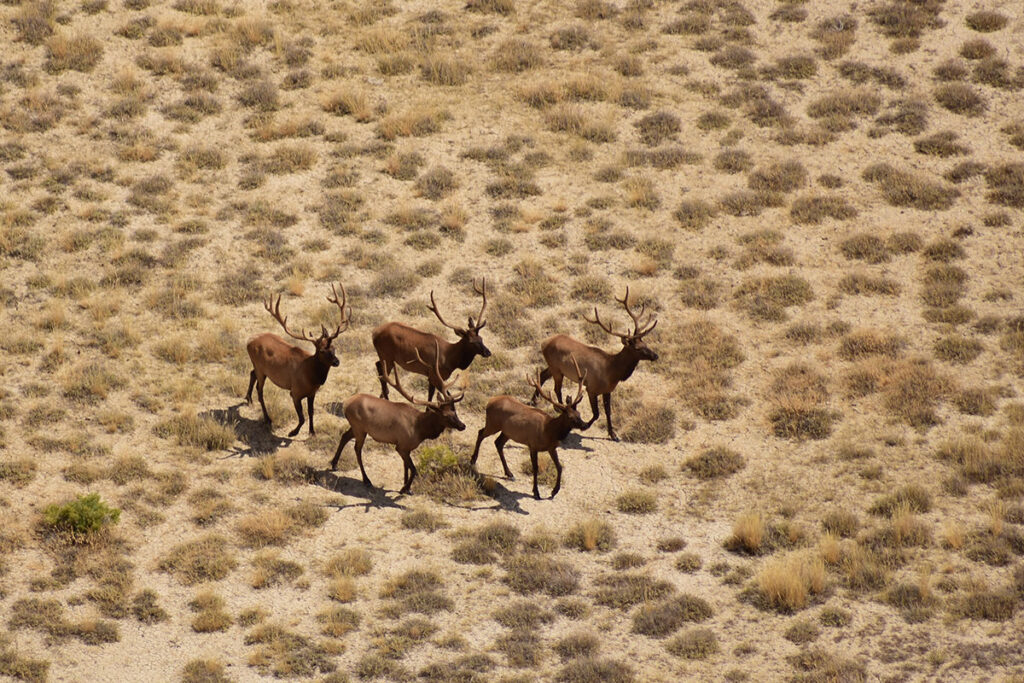
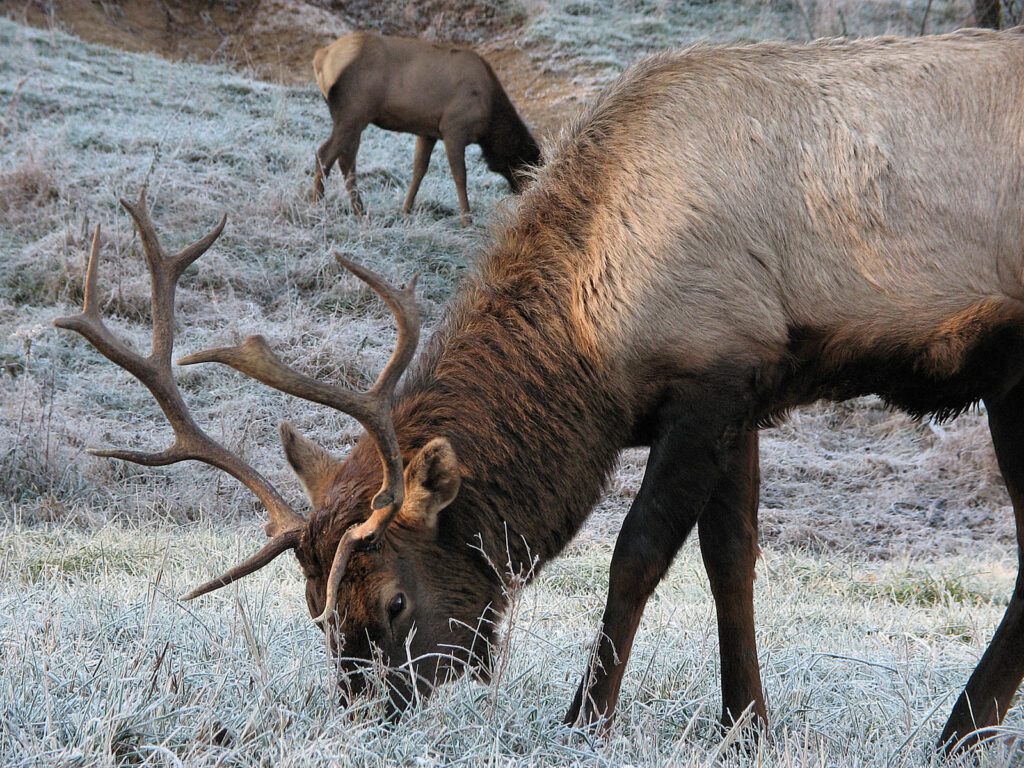
Each winter, for instance, thousands of elk move from Yellowstone into Montana’s Paradise Valley, relying on private ranchlands for forage and shelter. But sharing the landscape brings real costs for ranchers, from forage losses and fence damage to predator concerns and rising pressures to sell or subdivide. As development accelerates, these working lands, and the wildlife migration corridors they sustain, face increasing risk of fragmentation.
Our Conservation Impact
In the Greater Yellowstone Ecosystem, conservation succeeds when working lands, wildlife, and communities thrive together. PERC helps make that possible.
- Developing practical tools: We reduce conflict, keep migration corridors intact, help sustain working lands, and strengthen habitat connectivity.
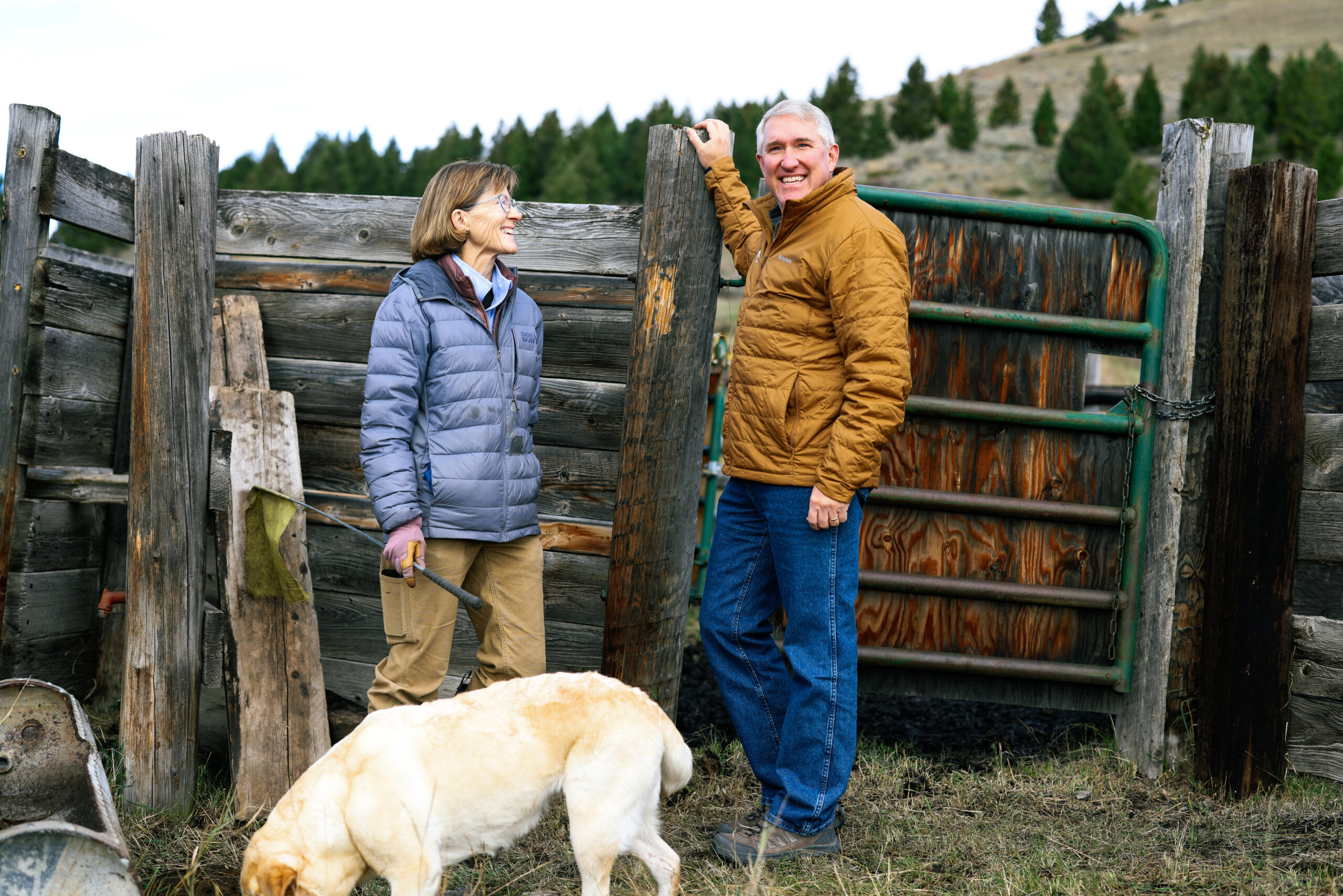
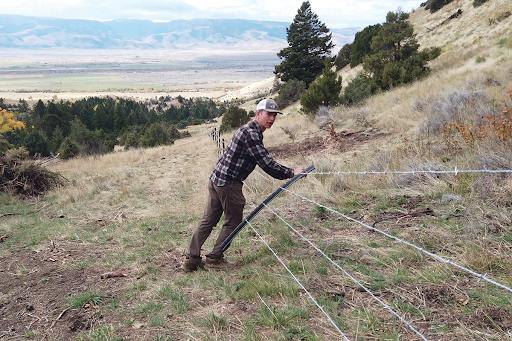
- Collaborating with ranchers and communities: We partner with land stewards, local leaders, and conservation partners to test what works and refine solutions in real-world conditions.
- Aligning incentives for stewardship: We advance approaches that make conservation workable so private lands remain productive, intact, and wildlife-friendly.
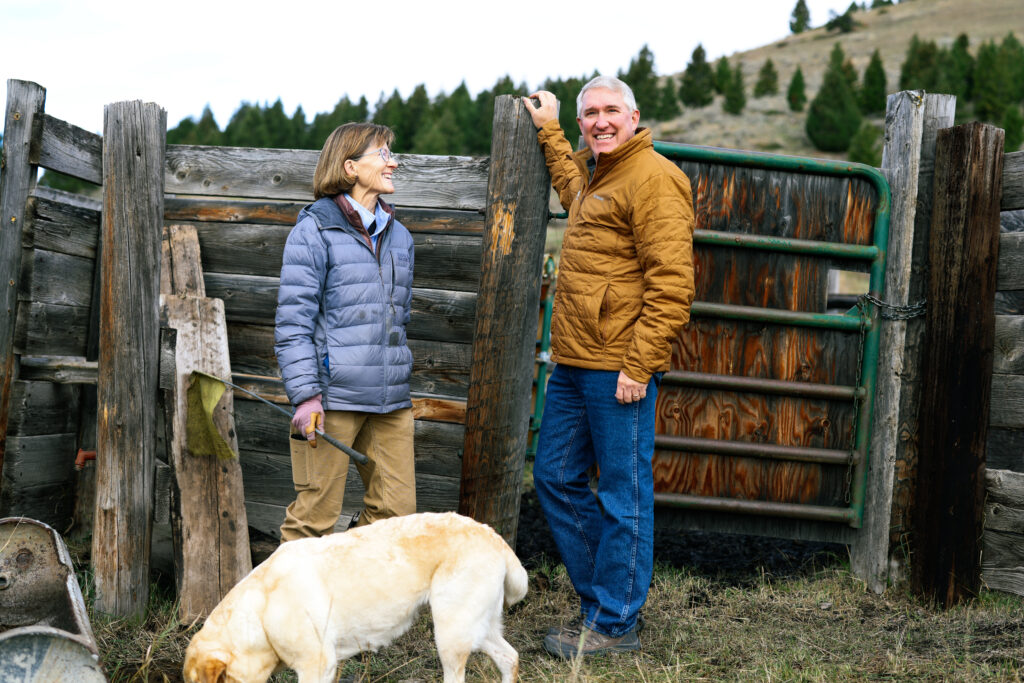
Supporting Working Lands Stewardship in the Region
Scenes From the Range