
BOZEMAN, MT—Today, the Property and Environment Research Center (PERC), the national leader in market solutions for conservation, released a comprehensive new report—Virtual Fencing for Conservation: A roadmap for making rangelands work better for livestock and wildlife—detailing how emerging digital technology can help working lands do more for ranchers, wildlife, and the vast landscapes they share.
Across the American West, fences are both essential infrastructure and a growing conservation challenge. Hundreds of thousands of miles of wire fencing help ranchers manage livestock, but they can also fragment habitat, disrupt wildlife migration, and require constant maintenance. As wildlife pressures, development, and management costs rise, producers and conservationists alike are searching for better tools. PERC’s new roadmap highlights how virtual fencing, which uses GPS collars to manage livestock via sound and mild stimulus, offers a way to remove these physical hazards without compromising ranching operations.
PERC has long-championed virtual fencing practices across both public and private lands, establishing a first-of-its-kind national virtual fence conservation fund last year that granted over $400,000 to ranches across six different states.
Key points from the report include:
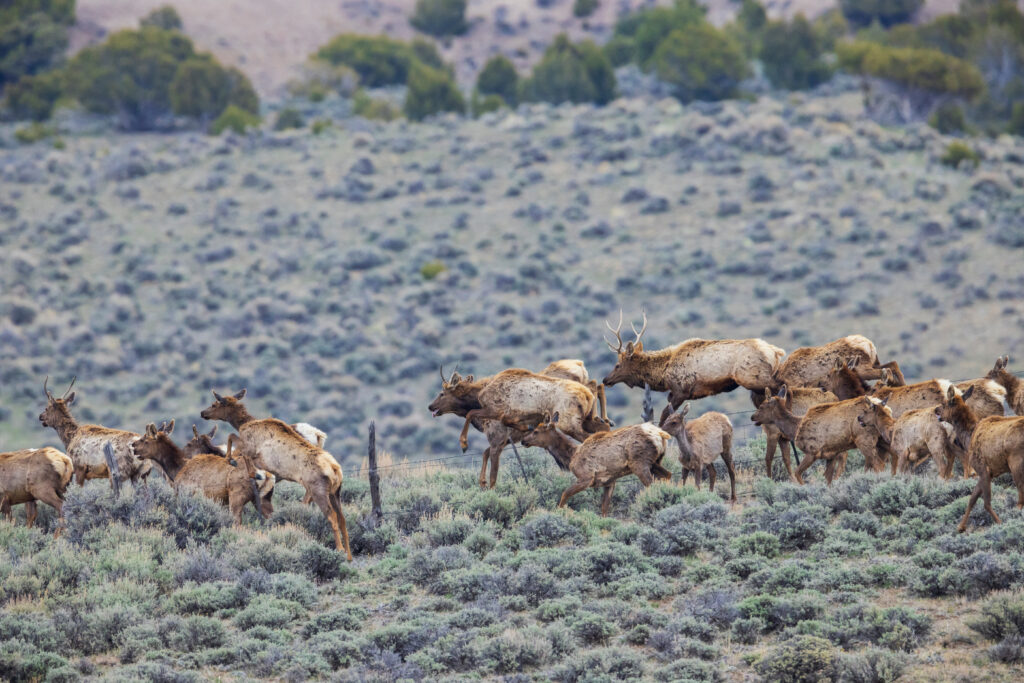
- Virtual fencing restores critical connectivity by substituting for physical interior fences, which allows migratory species like mule deer, elk, and pronghorn to move freely across the landscape.
- Precision habitat management becomes possible as ranchers use digital boundaries to “precision exclude” livestock from sensitive riparian zones, sage grouse leks, or recently burned areas via a smartphone or laptop.
- Virtual fencing technology reduces wildlife conflict by allowing ranchers to move cattle away from known carnivore dens or real-time predator locations, effectively minimizing the “dinner bell” effect that leads to depredation.
- Future software could streamline “conservation mode” by including default settings for riparian buffers, making it easier for conservation groups to verify and reward sustainable grazing practices.
“Virtual fencing is a transformative tool that allows us to show, not tell, ranchers that we care about agricultural viability while achieving major conservation wins,” said PERC CEO Brian Yablonski. “By replacing aging physical wire with digital boundaries, we can restore fragmented landscapes for migration and habitat creating a future where livestock and wildlife thrive together.”