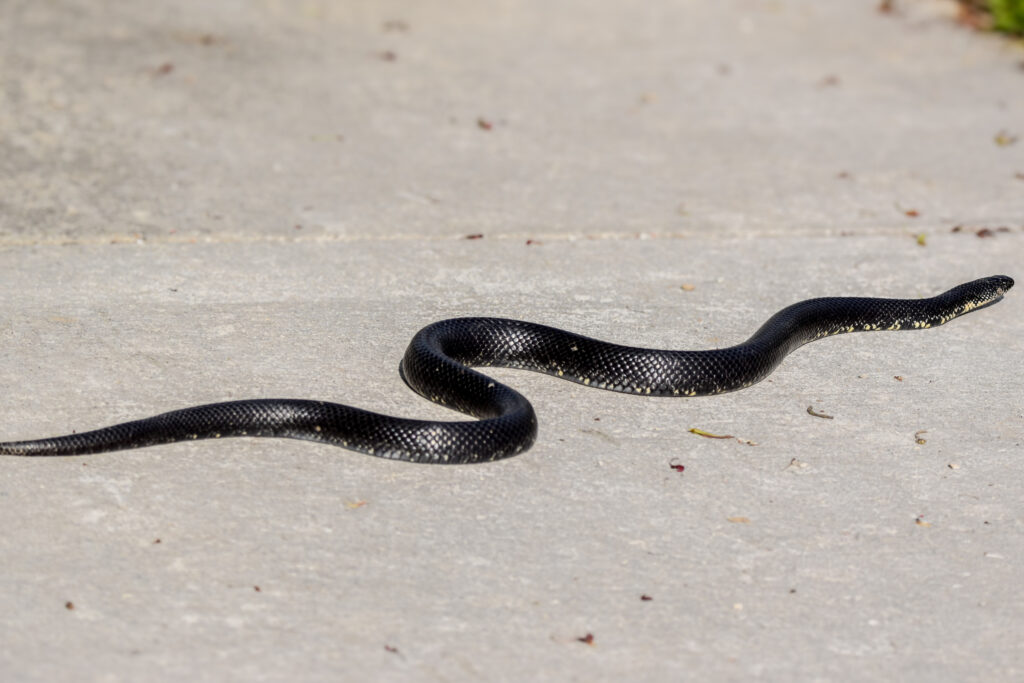
When Gray Skipper set out to conserve thousands of acres of his Alabama timberland, he never imagined being met with a federal penalty. In 2020, the U.S. Fish and Wildlife Service designated 30,000 acres of Skipper’s property as critical habitat for the black pine snake—an elusive species seen there only once in the past 25 years. The designation undermined his family’s ability to manage their land, reduced property values, and cast doubt on whether their conservation efforts would continue.
Nearly two-thirds of listed species rely on private land, but too often, implementation of the Endangered Species Act—passed in 1973—punishes the very people whose help is most needed to recover a species. Fortunately, some recent legal victories suggest that this tide may be turning and presenting a better approach to recovering rare wildlife that respects property rights, empowers states, and rewards landowners for stewardship.
Last month, in response to a lawsuit filed by the Pacific Legal Foundation, a federal district court ruled that the Fish and Wildlife Service’s designation of the Skippers’ land as critical habitat was unlawful. The court concluded that the agency acted arbitrarily, relying on scant evidence of the snake’s presence, and ignored the $180 million in economic impacts the designation could impose on landowners. The decision restores the family’s ability to manage their land and sends the message that habitat designations must be grounded in science, not speculation.