
Grizzly recovery is working.
A new rule would help keep it that way.
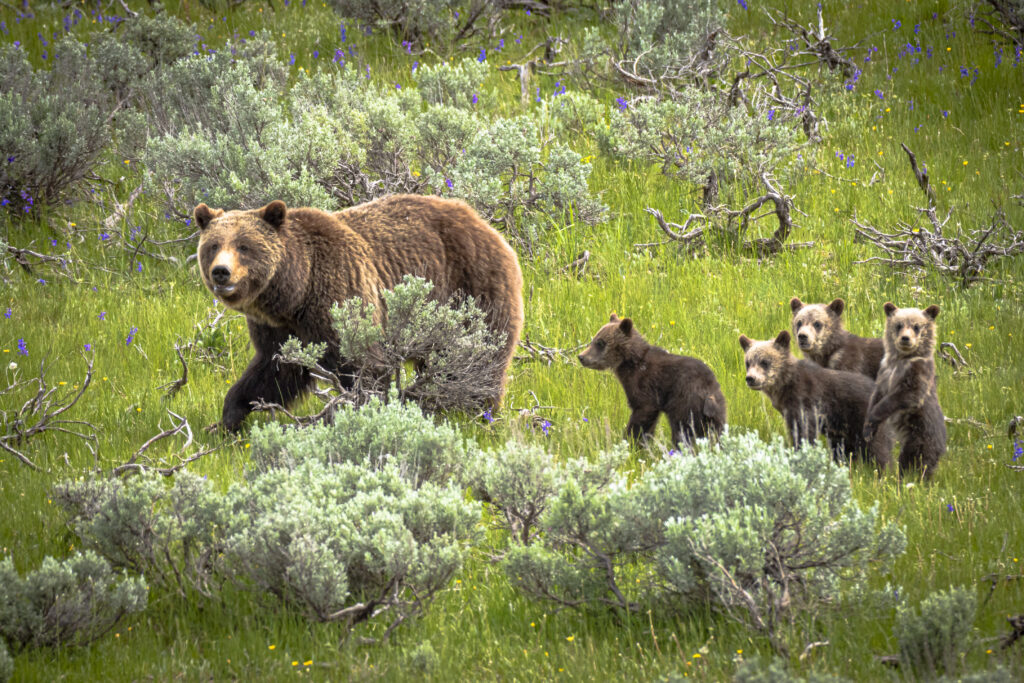
A newly proposed federal rule changes how grizzly bears are managed under the Endangered Species Act and creates a smarter path for long-term recovery.
The proposed tiered 4(d) rule rewards conservation success with greater state management flexibility, while keeping federal protections in place if populations decline. It’s a practical, science-driven approach that recognizes what recovery looks like on the ground.
A remarkable recovery
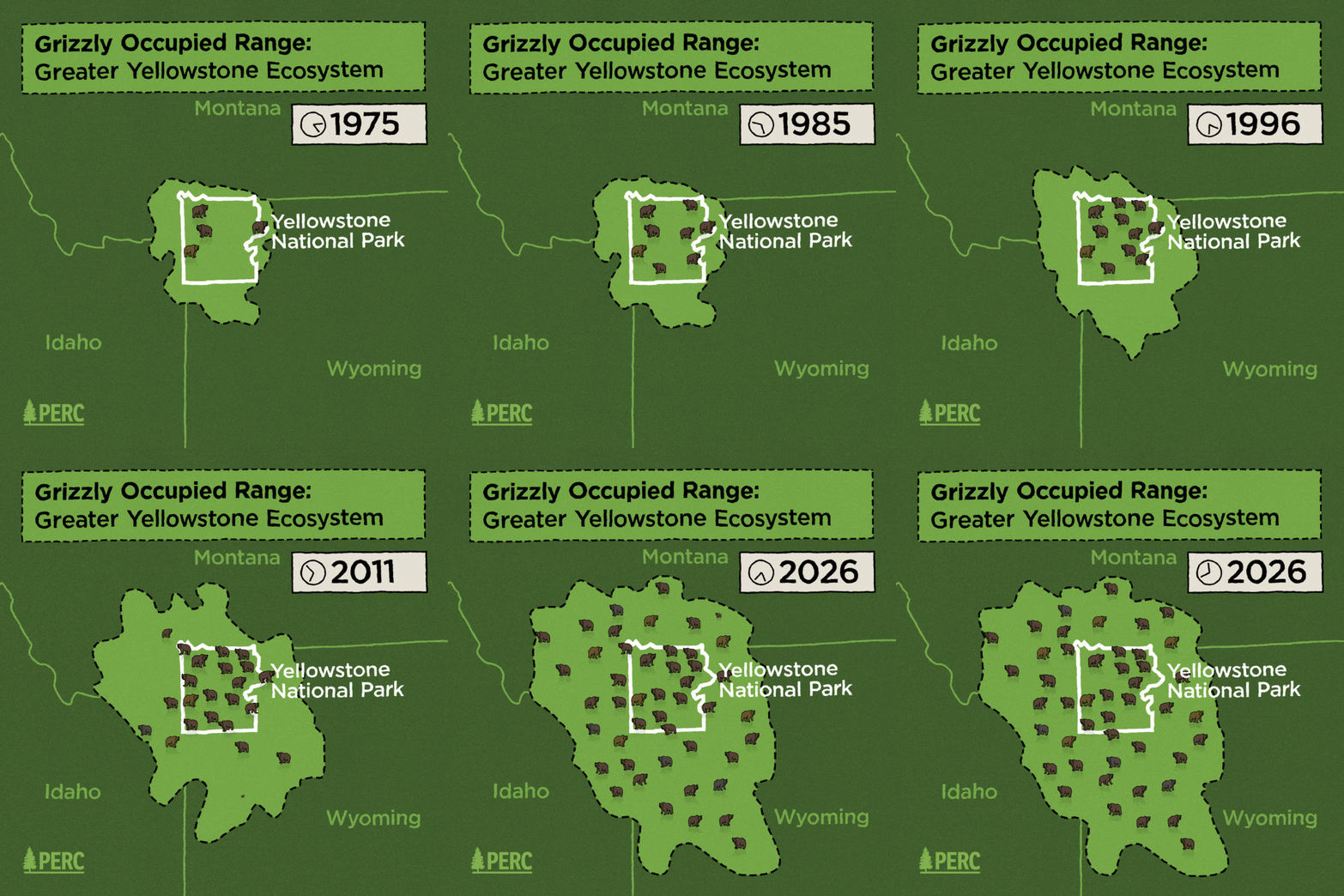
The proposed rule recognizes the extraordinary recovery of the grizzly bear, including in the Greater Yellowstone area, where bears have grown from 136 animals in 1975 to more than 1,000 today.
This success was success built through five decades of cooperation by states, landowners, sportsmen, and conservation groups.
What would change?
The U.S. Fish and Wildlife Service would finalize a new framework for grizzly management across the lower 48 states.
Instead of treating every grizzly population the same, the rule would adjust management based on recovery progress:
- Healthy, recovered populations gain more state management authority
- Populations still rebuilding remain under stronger federal oversight
- Federal protections can automatically return if numbers fall
In short, recovery earns flexibility.
How it works
Management flexibility is tied to recovery progress.
Where recovery benchmarks have not yet been met, stronger federal safeguards remain in place. When a bear population moves up the ladder toward recovery, states and tribes gain significantly more flexibility to manage bears and conflicts.


Why it matters
For decades, states, landowners, and local communities helped grizzly populations rebound—with little recognition in federal policy.
This rule would change the incentives.
It would give states and communities a reason to keep investing in recovery by linking management authority directly to biological outcomes—not politics.
A better model for recovery

As grizzlies expand onto private lands, effective local management becomes more important.
State wildlife agencies are often better equipped to respond quickly to conflicts, work with landowners, and manage recovery where it’s actually happening. The proposed rule reflects that reality.
Explore more PERC research

A Field Guide for Wildlife Recovery

Missing the Mark

Grizzly Bears Beat Extinction. Now They’re Fighting Bureaucracy.
