
Audio – Chip Mellor (Use Explorer for best results) In the wake of the U.S. Supreme Court’s decision in Kelo v. City of New London, the flood gates to the abuse of eminent domain for private development are now wide open. Cities can take a person’s home or business and transfer it to a developerContinue reading “Eminent Domain and the Aftermath of Kelo v. City of New London”
Author Archives: admin
Conservation Easements: A Closer Look at Federal Tax Policy
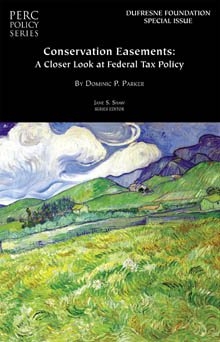
Land trusts and one of their important tools, conservation easements, are major forces in today's environmental movement. Conservation easements are partial interests in land that prohibit intense development.
Agriculture and the Environment:
By John K. Hosemann Introduction John Hosemann, who recently retired from the American Farm Bureau, brings some unsettling insights to his analysis of agriculture and the environment. In this essay, he examines the mixed legacy of federal intervention in agriculture and its impact on environmental conditions. To Hosemann, farm conditions today are the result ofContinue reading “Agriculture and the Environment:”
PERC Wins Antony Fisher Award for Second Consecutive Year
PERC has won the Sir Antony Fisher International Memorial Award for the second year in a row. PERC was honored for publication of The Not So Wild, Wild West, a book by Terry L. Anderson and Peter J. Hill. The award was given Wednesday, April 27, in Miami, Florida, at a meeting of the AtlasContinue reading “PERC Wins Antony Fisher Award for Second Consecutive Year”
2004 Index of Leading Environmental Indicators:
Earth Day is Cause for Celebration: Environmental Trends Mostly Positive By Steven Hayward with Michael De Alessi, Holly L. Fretwell, Brent Haglund, Joel Schwartz, Ryan Stowers, and Sam Thernstrom Full Text PDF Chapter on Public Land Management by Holly Lippke Fretwell [[{“type”:”media”,”view_mode”:”media_original”,”fid”:”7249″,”attributes”:{“alt”:””,”title”:””,”class”:”media-image”,”typeof”:”foaf:Image”,”style”:”width:110px;height:146px;float:left;margin:0 1em 1em 0;”,”wysiwyg”:1}}]] SAN FRANCISCO – The ninth annual Index of Leading EnvironmentalContinue reading “2004 Index of Leading Environmental Indicators:”
Capturing the Wealth of Nature
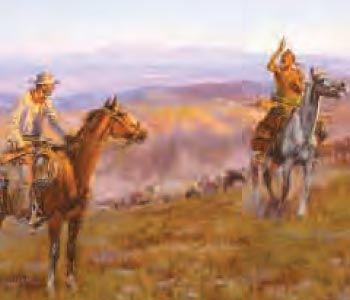
To economists and policy makers, the term “New West” describes a region that is experiencing increasing demand for amenities from natural resources—demand for more open space, scenic beauty, and relatively untouched landscapes.1 The “Old West,” in contrast, was based on demand for commodities such as timber, agriculture, and minerals. The Old West is illustratedContinue reading “Capturing the Wealth of Nature”
Quantifying the Wealth of Nature

To many, the terms ecosystem services and ecosystem valuation sound obscure and complex. But for a growing number of economists, government officials, and financiers, quantifying the benefits of clear-running streams, standing forests, and other natural processes is an idea whose time has come. The Economist (2005) recently devoted a cover story to the challenges ofContinue reading “Quantifying the Wealth of Nature”
Distorting the Wealth of Nature
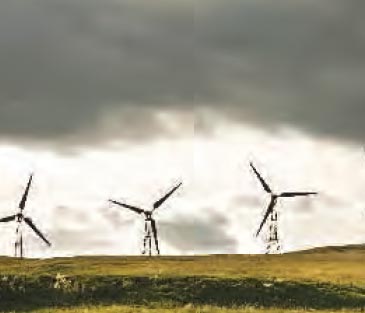
By Thomas Tanton There are too many forms of subsidies and favoritism to determine accurately which energy sources get the best treatment. But those who argue that their technology should receive more in order to compensate for another technology’s subsidies are being disingenuous. When Congress debates energy policy every few years, long-simmering battles over subsidiesContinue reading “Distorting the Wealth of Nature”
Marketing the Wealth of Nature

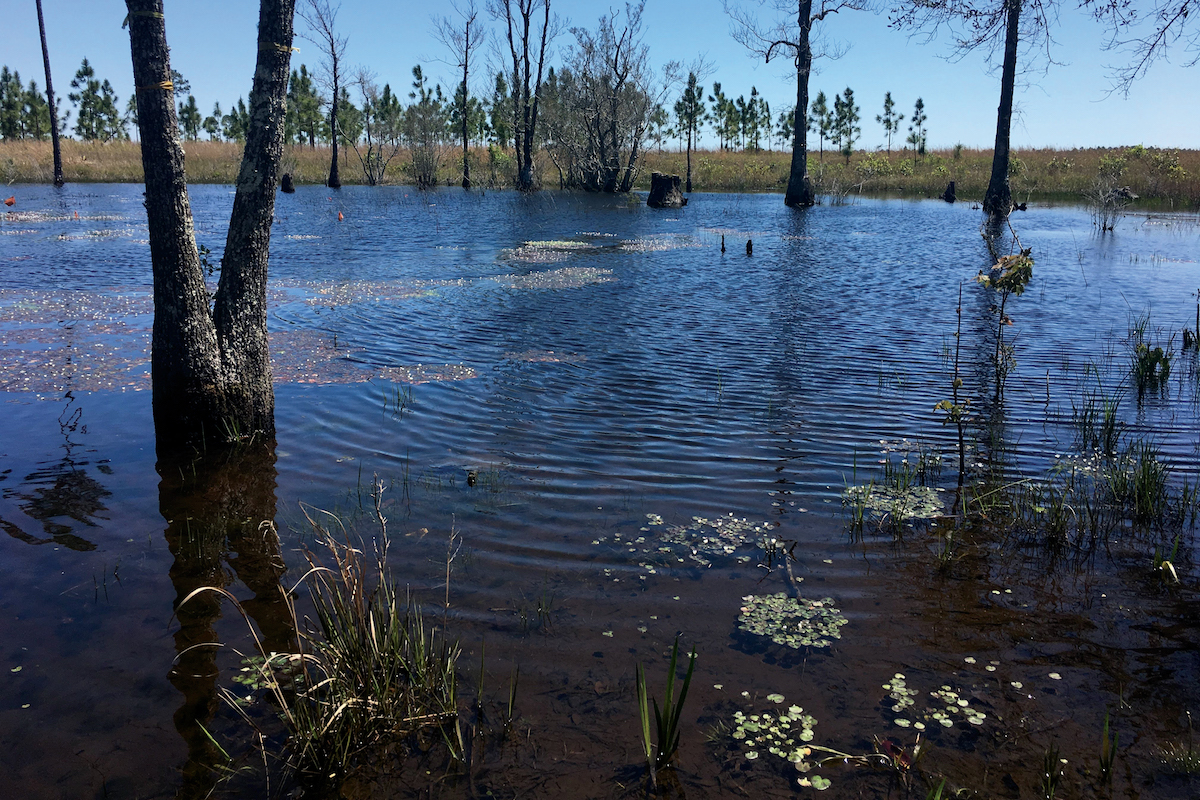
The kayak slides quietly through the tannic waters of a creek flowing into Western Lake, a rare freshwater coastal dune lake along the shores of the Gulf of Mexico. Up ahead, perched on a cypress snag, a blue heron plays the role of lonely sentinel guarding this piece of wild Florida. As I passContinue reading “Marketing the Wealth of Nature”
Betting on the Wealth of Nature
Simon’s claims can now be put to the test for the entire twentieth century. Despite ups and downs in prices over the course of the past century, a wager in 1900 would have been won in 1999 by the person who predicted a decrease in natural resource prices. (Prices are adjusted for inflation using 1998Continue reading “Betting on the Wealth of Nature”