
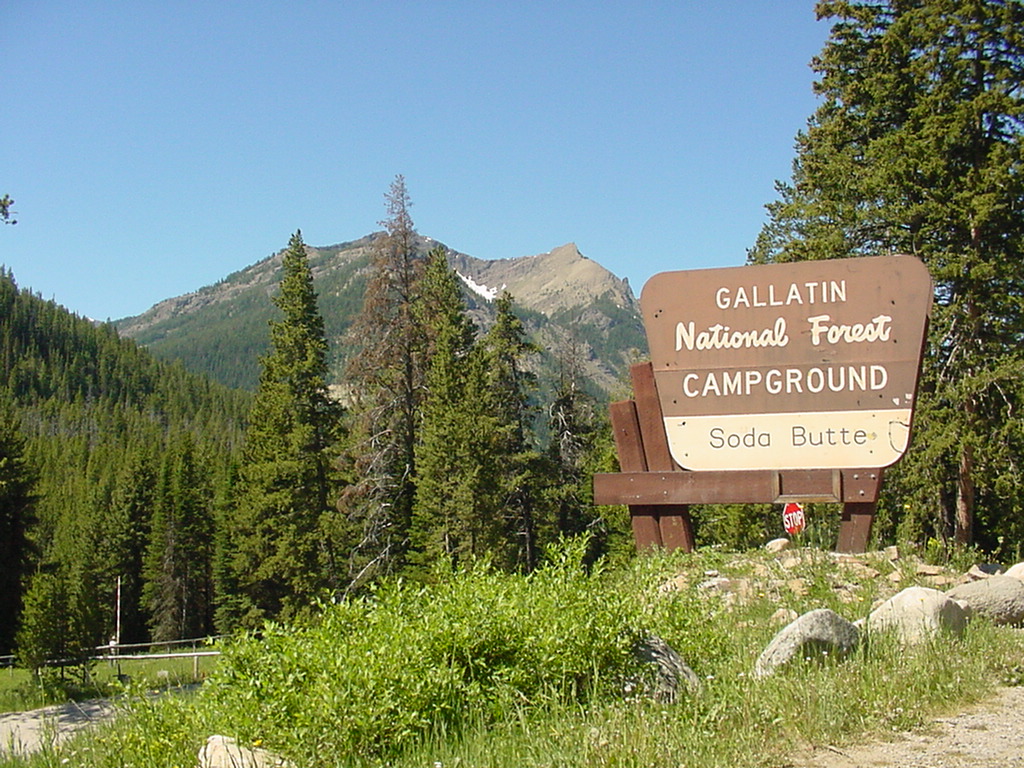
Using the LWCF to acquire land—without first addressing the billions of dollars in deferred maintenance on the existing federal land—will threaten the ecological health, public accessibility and economic productivity of these precious lands.
Author Archives: admin
As Earth Day Has Grown, So Have the Eco-Challenges
Miguel Llanos of NBC News surveyed Terry Anderson and other experts who reflect a movement that’s evolved since the first Earth Day on April 22, 1970.
Reforming the Land and Water Conservation Fund for the 21st Century
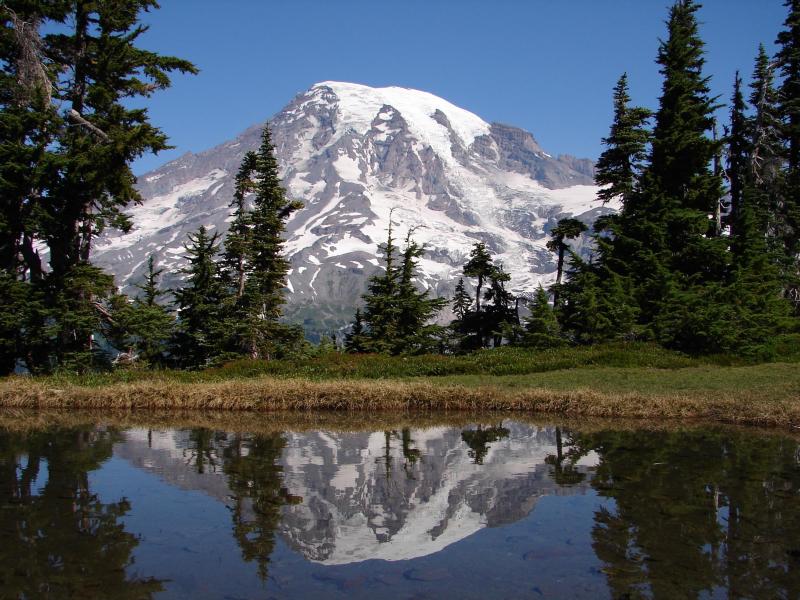
Federal funds from the LWCF are limited to land acquisition and cannot be used for the care and maintenance of existing federal lands.
California Drought on the Mike Slater Radio Show
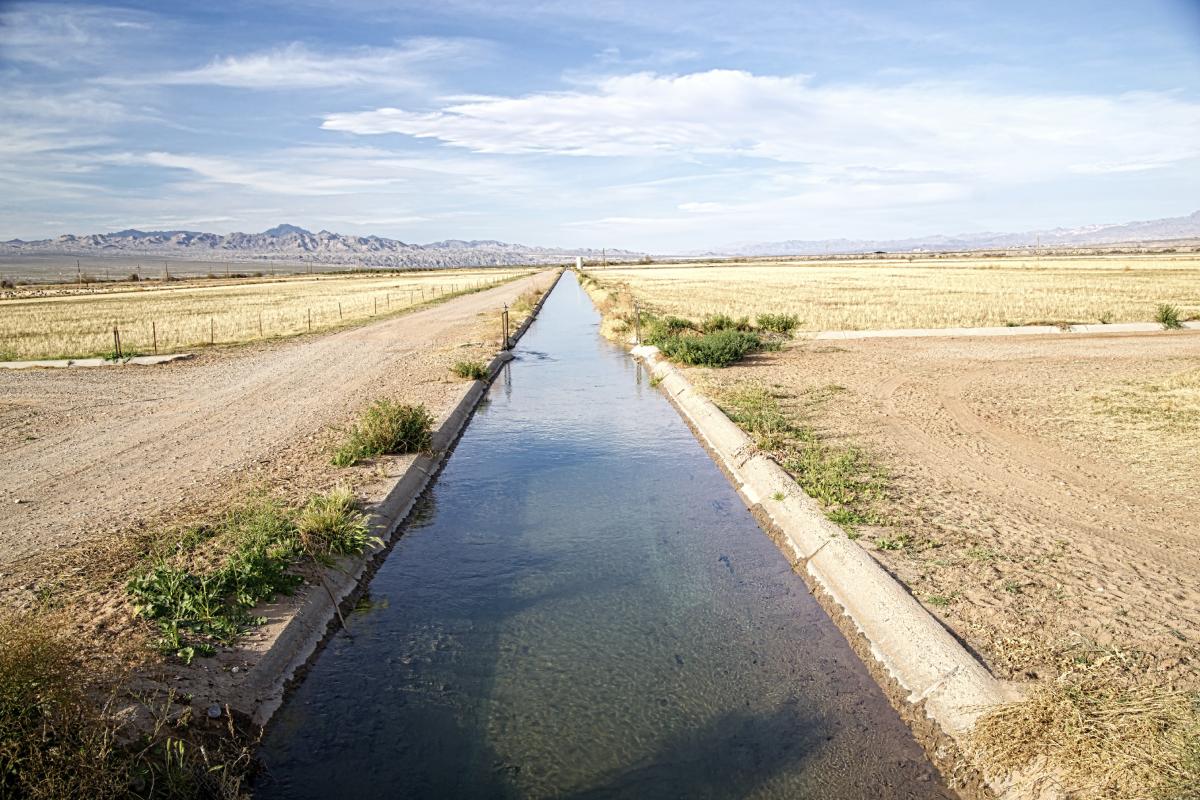
With Californians sounding the alarm over the current drought, San Diego’s Mike Slater invited PJ Hill to provide some historical perspective and Terry Anderson to outline practical solutions.
The U.S. Department of Land-Hogging
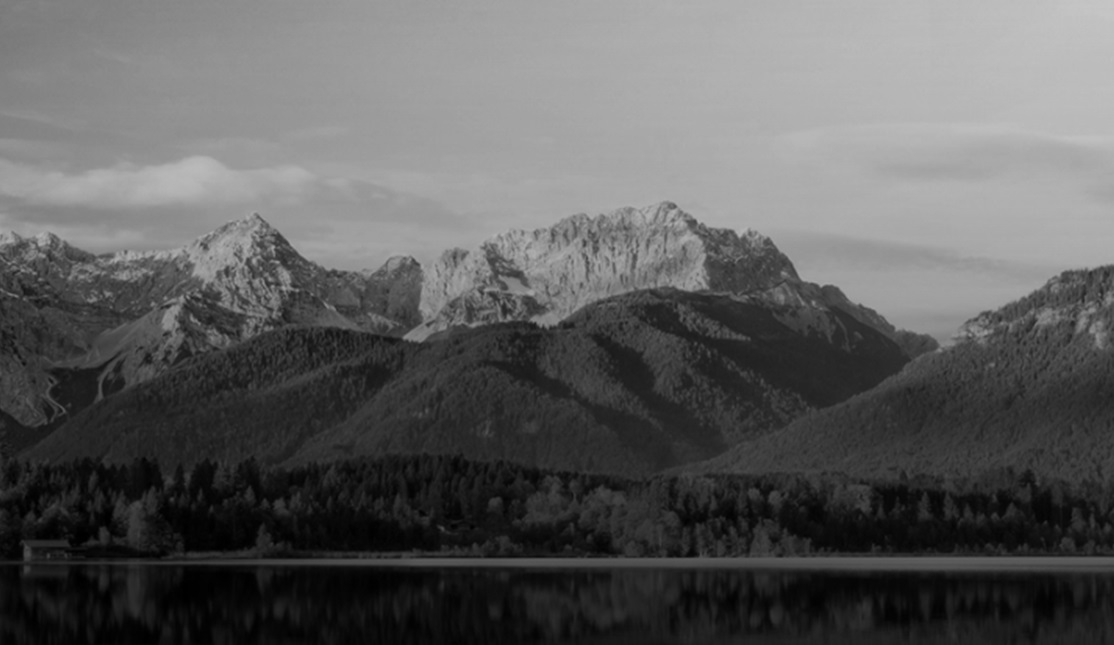
Nearly half of the West is owned—and badly managed—by the feds. States want to step in. Writing for the Wall Street Journal, PERC’s Shawn Regan provides an overview of the issue.
Divided Lands: State vs. Federal Management in the West
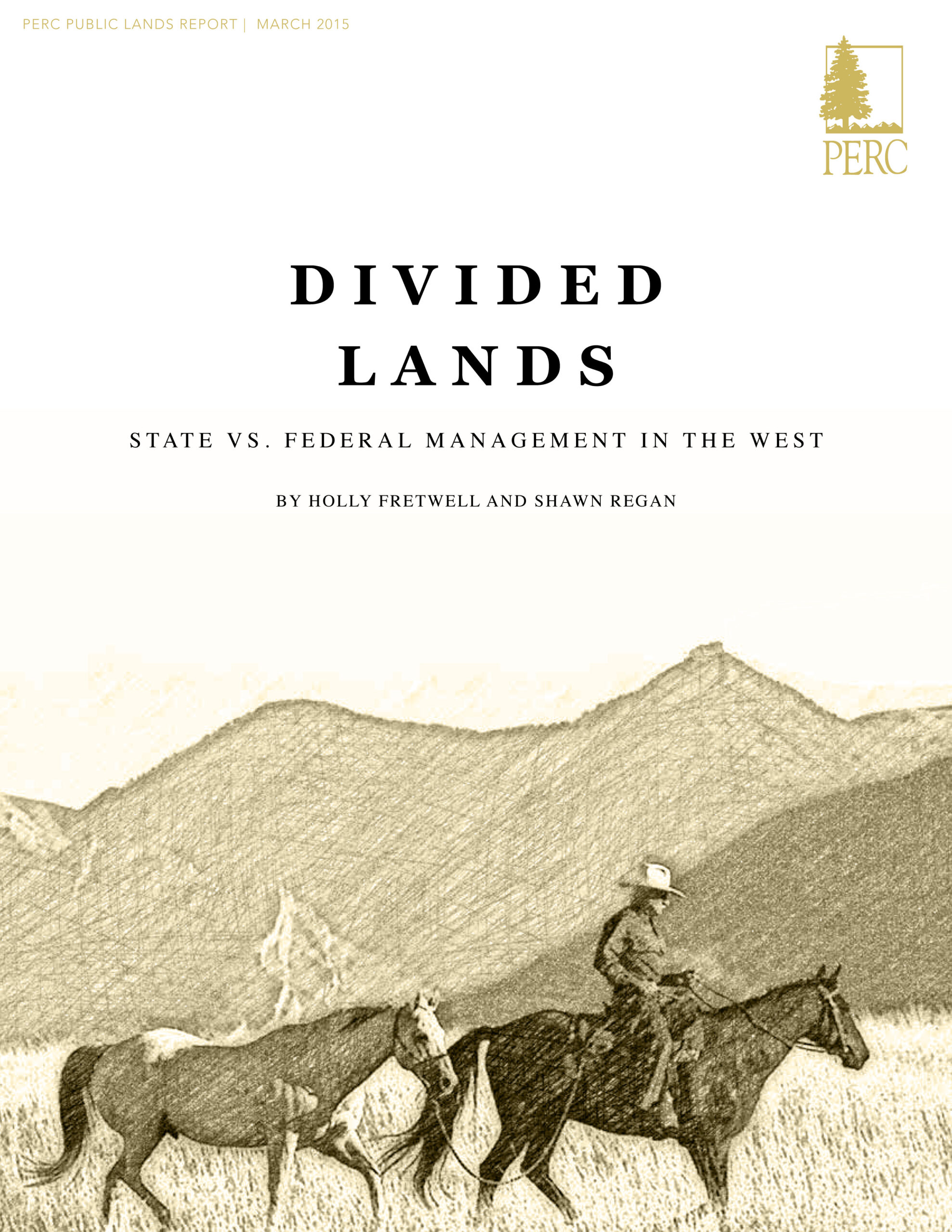
A comparison of state and federal land management in the West.
FME for the Next Generation: Book Launch Webcast
On Monday, March 2nd, we celebrated Free Market Environmentalism for the Next Generation with a book launch at the Hoover Institution in Washington. Featured panelists were IJ’s Chip Mellor, the Nature Conservancy’s Kameran Onley, and the Wall Street Journal’s Kim Strassel.
If Hayek and Coase Were Environmentalists
PERC’s Terry Anderson spoke on the topic “If Hayek and Coase Were Environmentalists: Linking Economics and Ecology” at “The Ends of Capitalism,” a conference hosted by the Classical Liberal Institute at NYU School of Law on February 26, 2015.
Defining Ideas: Environmentalism for the Next Generation
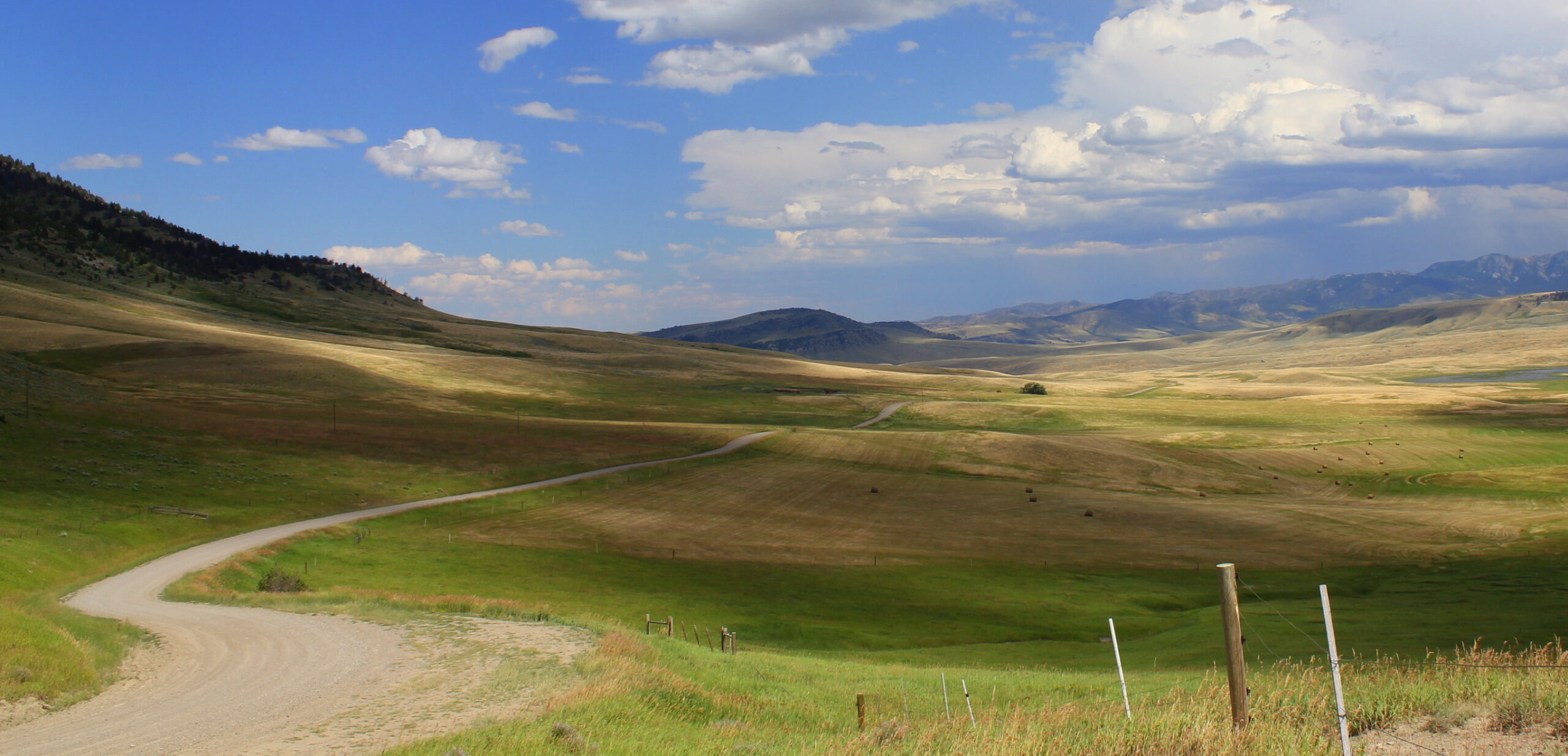
A new generation of environmental entrepreneurs is more interested in “finding the ways that work” than regulating for the sake of punishing. These enviropreneurs see market opportunities where others see environmental problems.
Are national parks more popular than ever?
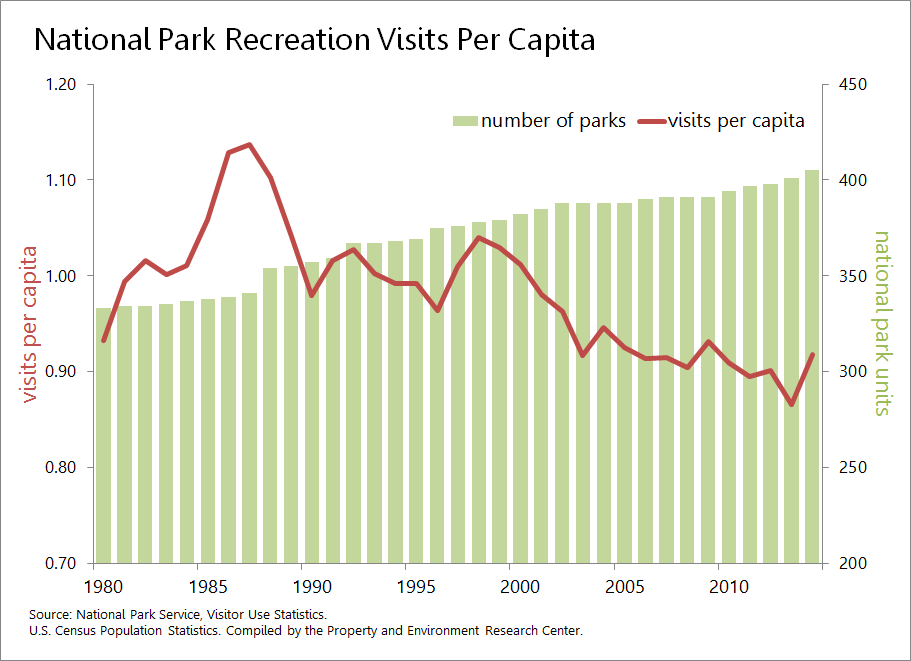
National park visitation is up — but so is population and the total number of parks. Putting the latest data into perspective.