

Airships, similar to blimps, may be the future of cargo transport.
Author Archives: admin
A Few Ferrates Could Change the World

An ancient technology to purify water meets modern water needs.
The devil’s black gold
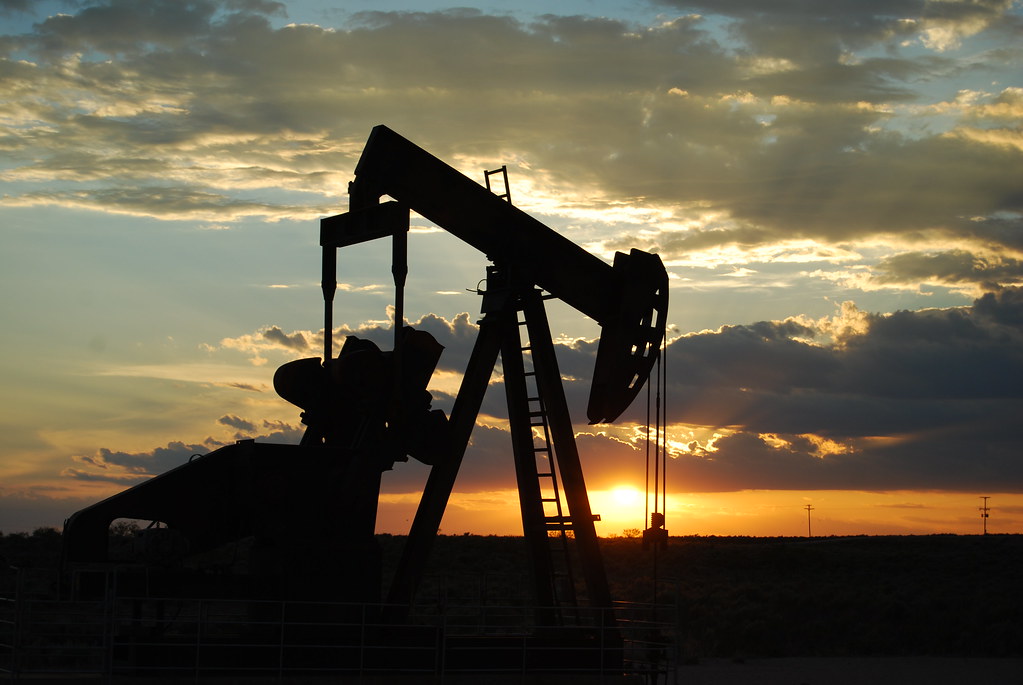
“Chevron Guilty of Polluting the Amazon” reported Greenpeace on its website in February. Chevron was ordered by a court in Ecuador to pay $9.5 billion in damages for injuries imposed on people and the environment in Ecuador from its oil operation. Does Greenpeace think “justice” is likely in Ecuador? It is one of the mostContinue reading “The devil’s black gold”
Closed to Raise Revenues
The threat of park closures is part of the state budget crunch package. Just over one-third (36 percent) of the average state park system is funded by state general funds, a slightly larger share (39 percent) is park generated, and the remainder is often from special funds dedicated for park use (see here). Because park fundingContinue reading “Closed to Raise Revenues”
The call of the wild

Could the political conflict over wolf recovery efforts be resolved via economics? Let the bidding begin.
Is the Common Law the Solution to Pollution
Assessing the common law as a replacement for pollution control regulations.
Cadillac Desert: A classic a quarter century later

This classic of conservation literature is still illuminating important lessons today.
The Case for Cap-And-Trade
Banzhaf argues that free market environmentalists should applaud the cap-and-trade approach over more government regulation.
Reconciling economics and ecology
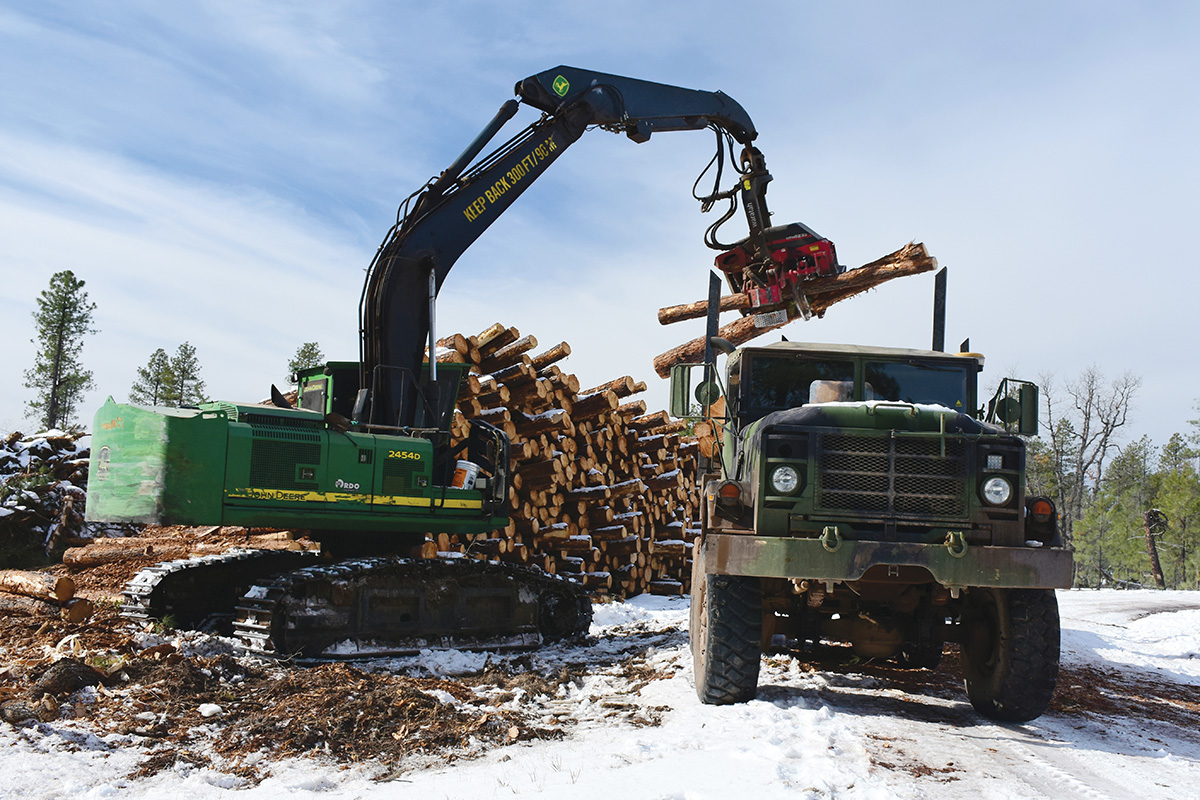
“In times of change learners inherit the earth; while the learned find themselves beautifully equipped to deal with a world that no longer exists.” —Eric Hoffer Modern environmentalism and neo-classical economics have more in common than one might think. First, they are linked by a focus on equilibrium models. Many environmentalists view nature undisturbed byContinue reading “Reconciling economics and ecology”
Is the Earth Full?
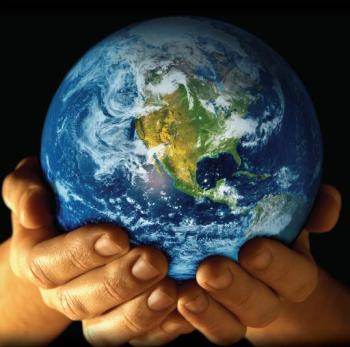
In 1965, the American economist Kenneth Boulding popularized the phase “Spaceship Earth” expressing his concern about the fragility of our planet. His logic went something like this: since the Earth’s resources are finite, just as bacteria growing in a Petri dish will eventually exhaust their resources, we too must sooner or later run up againstContinue reading “Is the Earth Full?”