
All Research:
Healthy Public and Private Lands
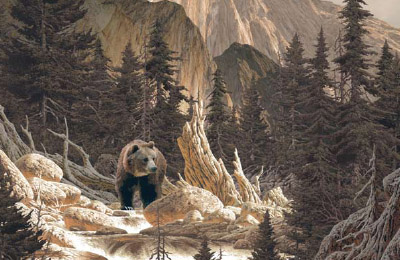
Time to move beyond ESA to save species and economic interests
It is time to move beyond the Nixon approach to the environment. The past 40 years have shown how good political intentions — or, at least, political maneuvering — in the name of environmental protection can create perverse economic incentives to do the opposite.
Can One Person Save an Endangered Species? | LearnLiberty
Laura Huggins explains how thinking outside the box and innovating can work for the environment as it does for business. Sometimes big change starts with thinking big and perhaps a little outside the box. Take it from enviropreneur Hank Fischer.
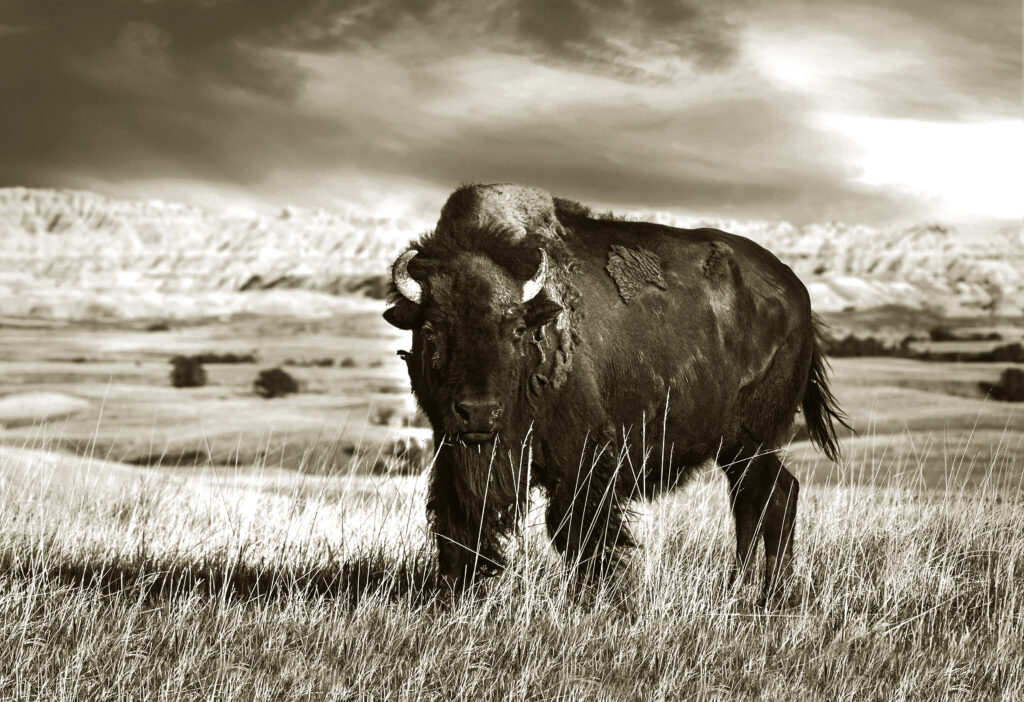
In the Badlands, a Tribe Helps Buffaloes Make a Comeback
The Oglala Sioux aim to reclaim their landscape and culture heritage
Alien Priorities
PERC Julian Simon Fellow David Schmidtz focuses on conflict resolution at the intersection of economics and ecology. In this video, he explores “alien priorities.”
Monuments no growth guarantee
At the turn of the 20th century, Congress passed the Antiquities Act – giving President Teddy Roosevelt the authority to restrict the use of any federally owned public land by designating it as a national monument. However, monument designation can bring distinct negative impacts. Here’s why.
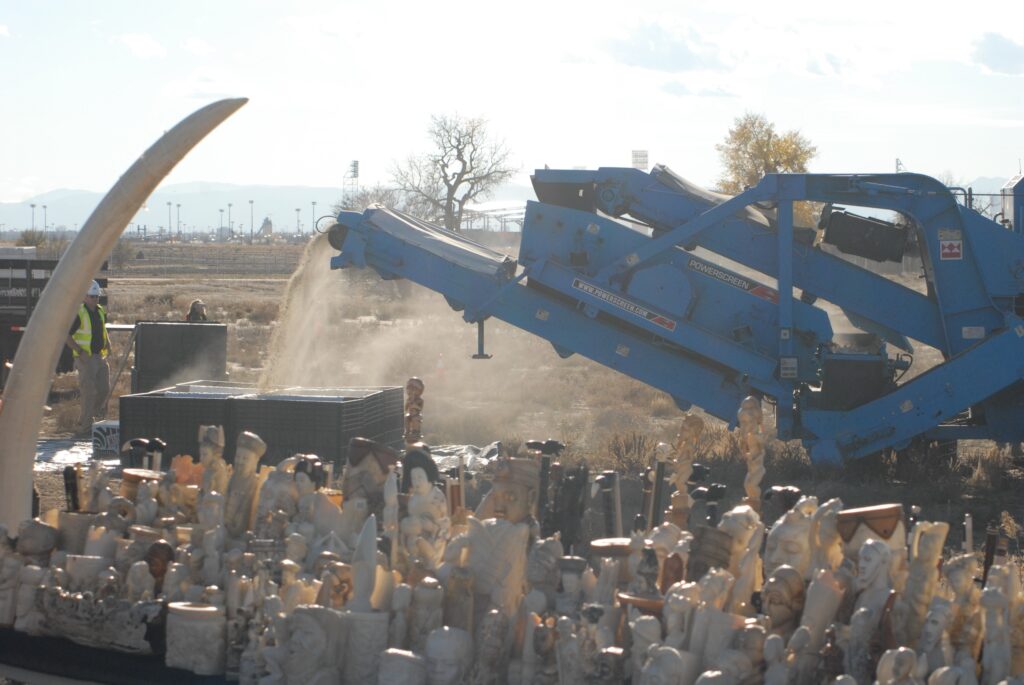
Does Destroying Ivory Really Save Elephants?
The U.S. Fish and Wildlife Service is about to destroy 6 tons of confiscated ivory. But does the destruction of ivory stockpiles really help the cause?
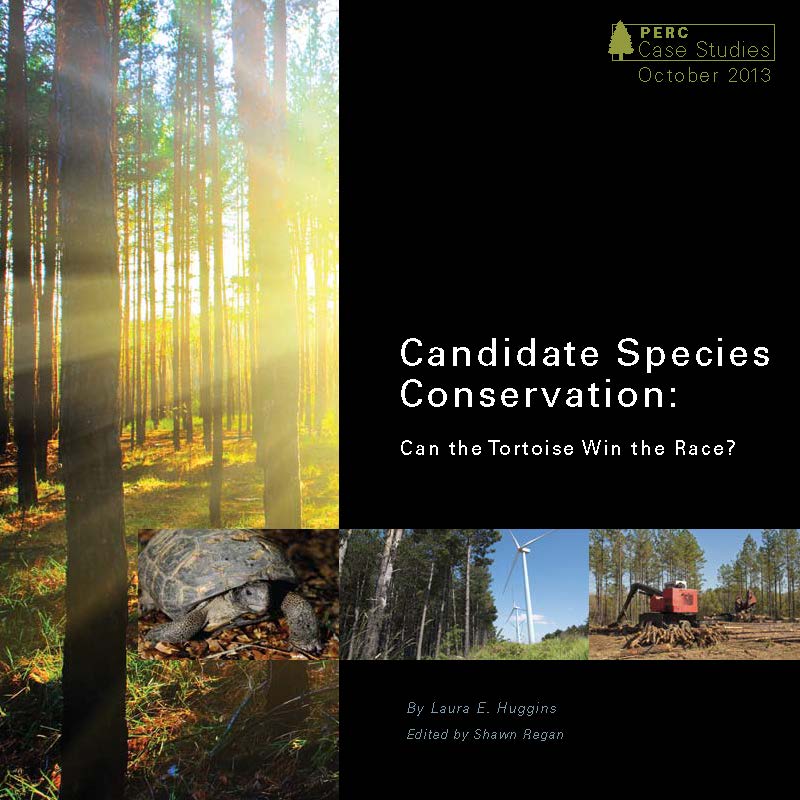
Candidate Species Conservation: Can the Tortoise Win the Race?
The Endangered Species Act is expensive and ineffective in its reactive approach to conservation. Laura Huggins explores an alternative system of incentives for environmental stewardship prior to regulatory listing.
Save Our Parks! How to Keep National Parks Open During a Government Shutdown
How to keep national parks open during a government shutdown.
National Parks in the 21st Century
Do you visit national parks for the monumental value or for their ecological value? Can they be the same and how can we manage to keep our parks operating well into the 21st century? Join Alfred Runte and Holly Fretwell for a conversation on national parks.