
All Research:
Innovation in Wildlife Management
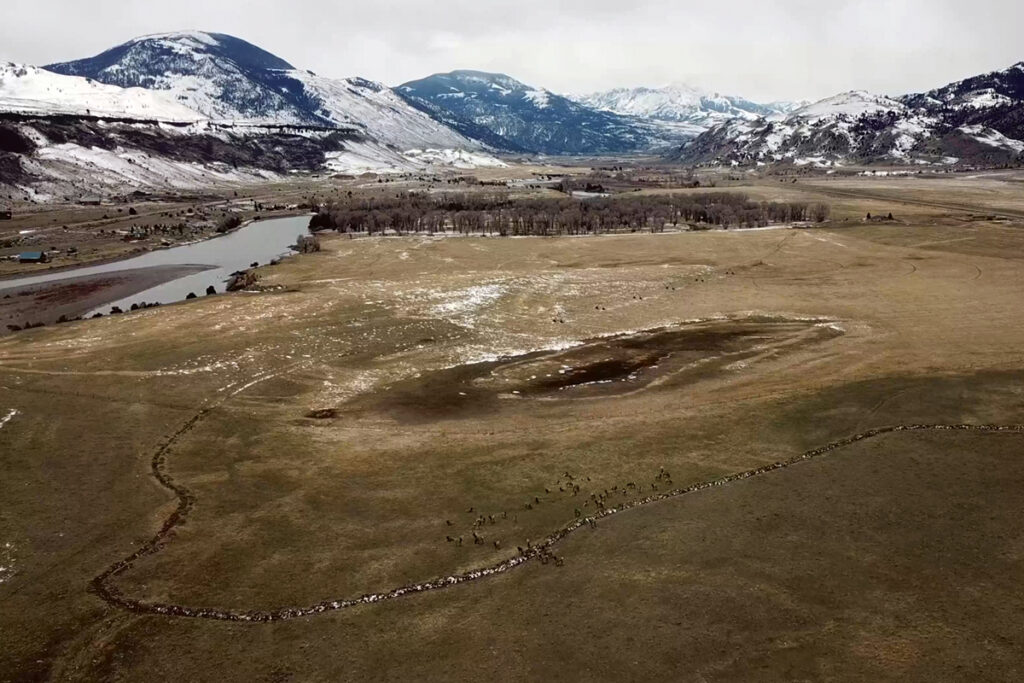
Transferable Hunting Permit Programs Can Be a Vital Tool for Conservation
PERC’s latest policy brief reviews several different state transferable hunting tag programs and identifies how best to craft a program that promotes wildlife habitat conservation.
Conserving Wildlife Habitat with Landowner Hunting Permits
Lessons from western states to enhance voluntary conservation on private lands.

Private Conservation Efforts Offer Answers to Our Environmental Challenges
A podcast discussing environmental policy under the Biden administration.

Markets Can Provide More Sustainable Conservation
A podcast on free market environmentalism and how it’s being applied today.
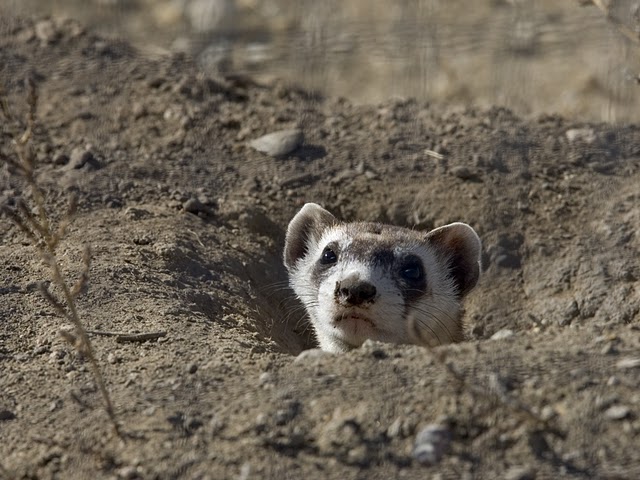
Public Comment on the Revision of a Nonessential Experimental Population of Black-footed Ferrets in the Southwest
PERC weighs in on the Fish and Wildlife Service’s proposed rule revision.
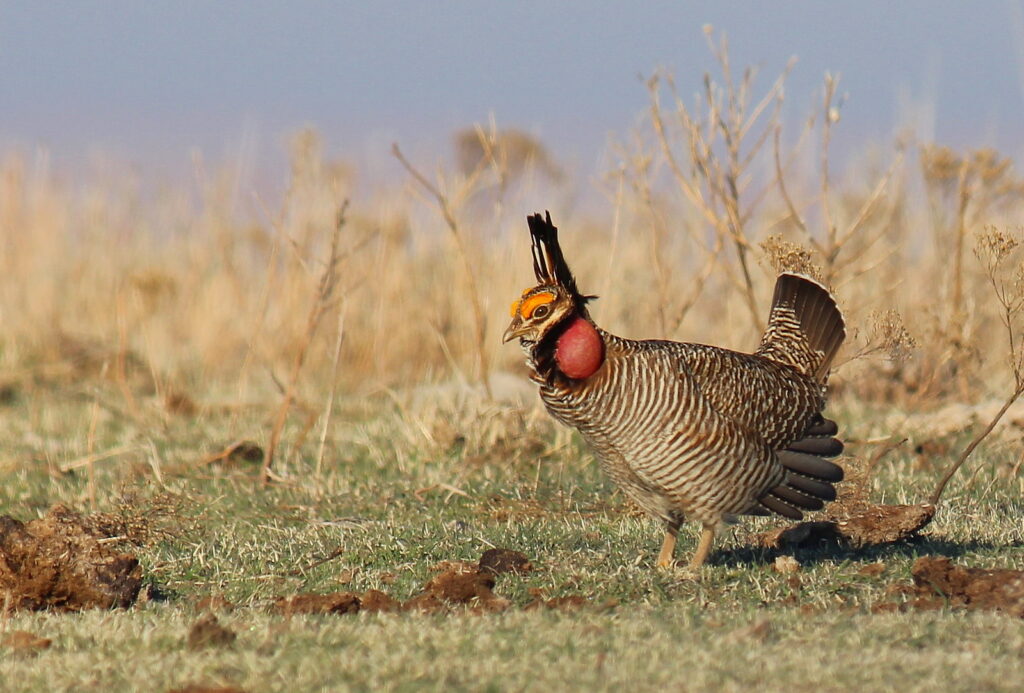
Public Comment on Proposed 4(d) Rule for the Lesser Prairie-Chicken
PERC weighs in on how to improve endangered species recovery.
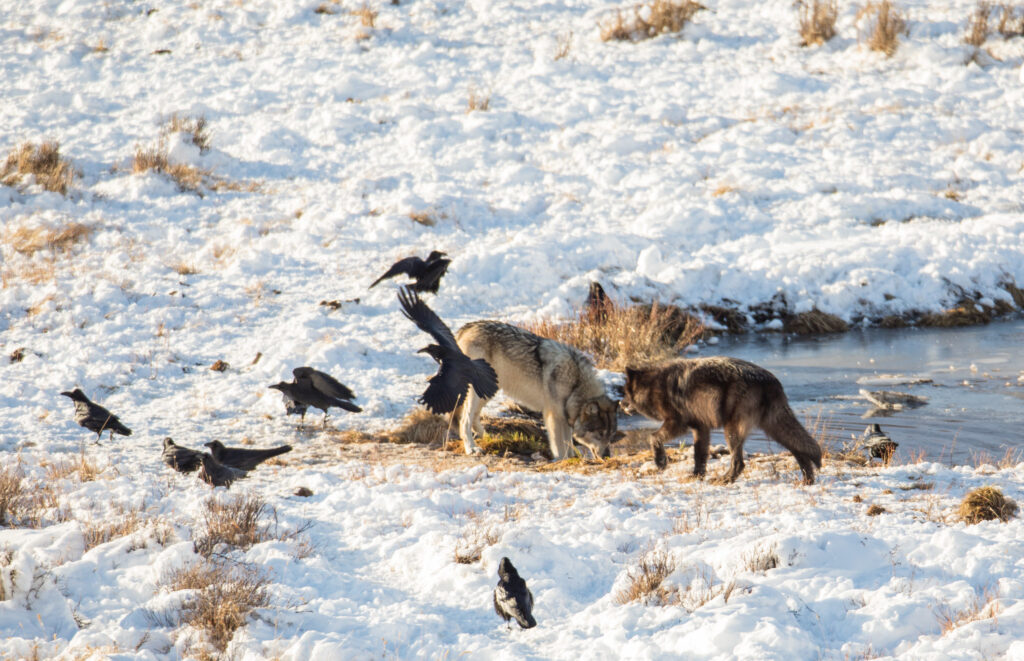
The Wolf Wars Are Back
Wolf conflicts are back not just because their populations have recovered, but also because federal policy has been slow to respond.
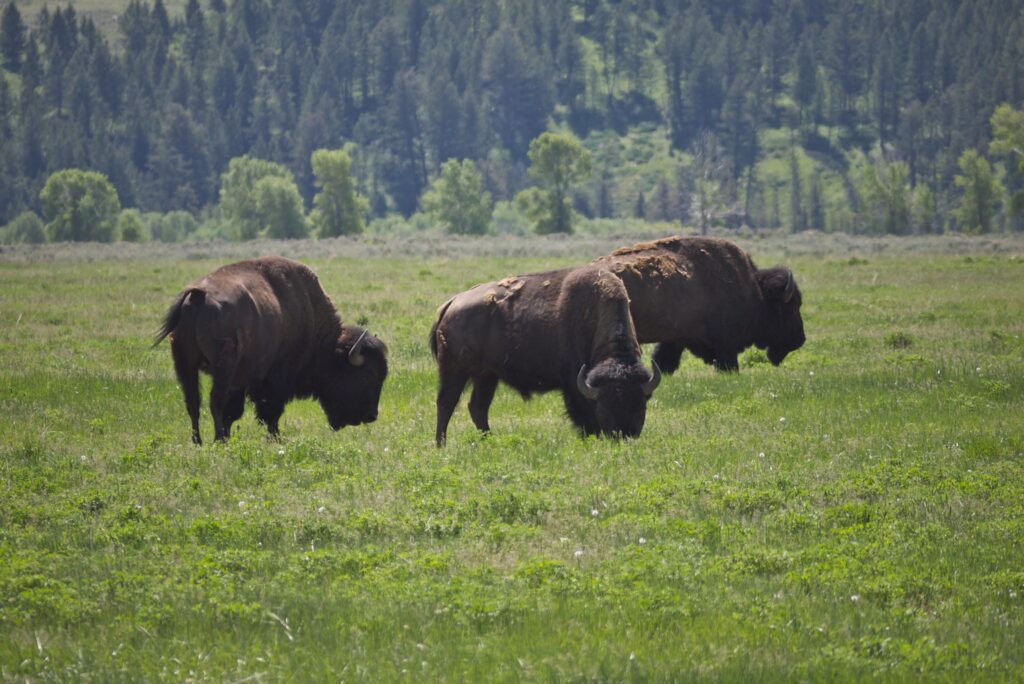
Public Comment on American Prairie Reserve Bison Grazing
Allowing APR to graze privately-owned bison on its federal allotments respects APR’s rights and, ultimately, honors all landowners’ rights to exercise their grazing privileges while promoting the health of federal lands.

Hybrids, Humans, and the Future of Conservation
A conversation with ecologist Peter Kareiva.