

The U.S. Fish and Wildlife Service is about to destroy 6 tons of confiscated ivory. But does the destruction of ivory stockpiles really help the cause?
Types Archives
The War on Coal Is Punishing Indian Country

In the Wall Street Journal, Terry Anderson and Shawn Regan explain how Washington rules prevent tribes from developing resources that could help lift them out of poverty.
Unlocking the Wealth of Indian Nations

Indian reservations are hobbled by burdensome regulations and bureaucracy. Native Americans should be given the dignity they deserve and be freed from federal guardianship.
‘Clean Energy’ Is Cooling The Economy And Damaging The Environment
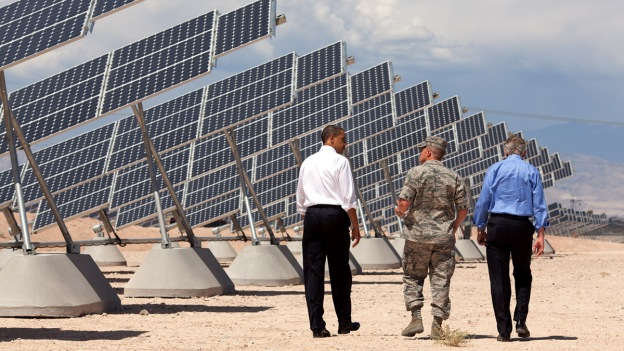
Our nation continues to pile precautionary energy policies onto a struggling economy, but we’re bumping into an inconvenient truth.
Ronald Coase showed how free markets help the environment

The death this week of Ronald Coase, one of the world’s most-cited economists, comes at a time when there is lively debate about the very issue he raised: why neither markets nor government are panaceas.
Charging User Fees To Save Coral Reefs

Despite their ecological and economic importance, Florida’s coral reefs are teetering on the verge of collapse. Writing in Sea Technology, Reed Watson explores a market-based restoration plan to save the reefs.
What’s wrong with the global oil market?

Recent developments in domestic energy production have shifted the political debate about energy independence. Get the facts about energy independence.
Everyone calm down, there is no “bee-pocalypse”

On Atlantic Media’s business news site, Quartz.com, research fellow Shawn Regan explores the resurgence of worry over colony collapse disorder.
Food Safety: A Market Solution?
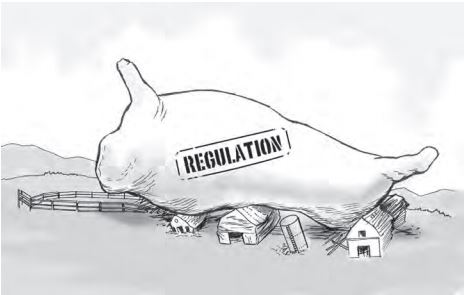
The command-and-control viewpoint isn’t illogical. The American food supply is one of the safest in the world. But I submit that the current system fails to tap creative, market-based incentives to further improve food safety.
Taking a mulligan on the ethanol mandate
In a state known for its golf, Floridians understand the concept of a mulligan. That’s why five years after passing a costly ethanol mandate, Florida lawmakers opted for a do-over.