
"Water lubricates the American erconomy just as oil does," says Robert Glennon, author of the new Island Press book Unqunenchable: America’s Water Crisis and What to Do About It. It’s hard to argue with his premise. Just as with oil, supplies of water are finite and are coming under increased stress as populationContinue reading “The Emerging Water Crisis in the United States”
Author Archives: admin
Water Markets: Why Not More?
At the PERC workshop, scholars presented papers examining why water markets have not developed further than they have and explored how institutional and political barriers might be lowered.
Don Leal appointed to Gulf of Mexico fishery advisory panel

PERC Research Director Don Leal has been appointed to serve on an advisory panel for the Gulf of Mexico that will help guide decisions on how limited access privilege programs can be used effectively to ensure the health and economic viability of the gulf’s marine resources. Leal’s career has been dedicated to research on naturalContinue reading “Don Leal appointed to Gulf of Mexico fishery advisory panel”
The Demand for Environmental Quality: An Application of Hedonic Pricing in Golf

By Frank F. Limehouse,Peter C. Melvin,andRobert E. McCormick The analysis uses an exhaustive golf course database that contains over 100 golf course variables on more than 15,000 golf courses in the United States combined with data from the Audubon International Cooperative Sanctuary Program to examine the market setting of environmental certification on golf courses. UsingContinue reading “The Demand for Environmental Quality: An Application of Hedonic Pricing in Golf”
Milton Friedman Legacy for Freedom Day

Read more about Milton Friedman The economic turmoil of today provides an appropriate time to pause and remember the many accomplishments of Milton Friedman. Friedman may have passed away in November of 2006, but his tremendous accomplishments – and our debt to him – must not be forgotten. To help us all remember Dr. Friedman’sContinue reading “Milton Friedman Legacy for Freedom Day”
Enviropreneur Institute 2009
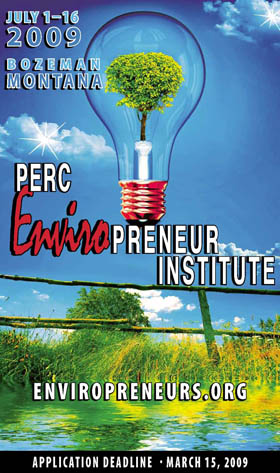
. Idea incubator There was no lack of breadth or scope to the projects proposed at the 2009 Enviropreneur Institute. From grazing reforms leading to landscape scale soil conservation to hydropower generated by conserved irrigation water, the projects ranged from the Patagonia steppe to Oregon rivers and Indonesian forests. PERC will be following the progressContinue reading “Enviropreneur Institute 2009”
How to stop desertification
By Wycliffe Muga
Two Forests Under the Big Sky: Tribal v. Federal Management
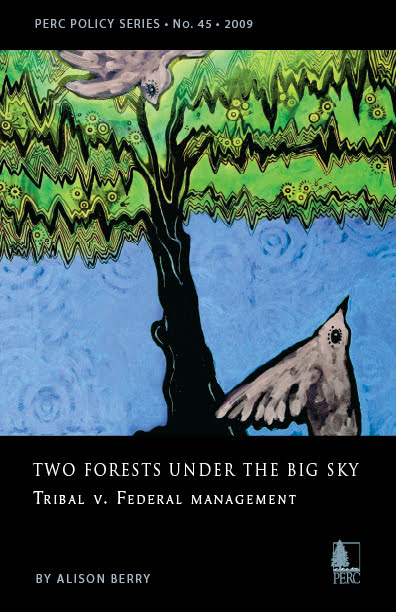
In this policy series, Alison Berry contrasts forest management in Montana. In her comparison one forest is operated by the United States Forest Service under the watchful eye of Congress. The other is run by Indian tribes on reservation lands.
The Cuyahoga River Fire 40 Years Later
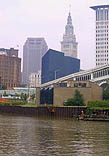
In the forty years that have passed since oily debris on the banks of the Cuyahoga River caught fire, the river has been transformed from a sewer of industrial waste to habitat for fish, bird , beaver, and other wildlife. The burning river became a symbol to a new and growing environmental movement in the 1970s,Continue reading “The Cuyahoga River Fire 40 Years Later”
Enviropreneur-in Residence: Tom Iseman

By Tom Iseman The Washington Post, Business Week, and other high-profile publications have recently asked the question, “is water the new oil?” Well, let’s hope we never see freshwater at $140 a barrel . But in the arid West, explosive population growth and scarce water supplies suggest the emerging tensions over water allocation. Throw in theContinue reading “Enviropreneur-in Residence: Tom Iseman”