Volume 35, No.2, Winter 2016
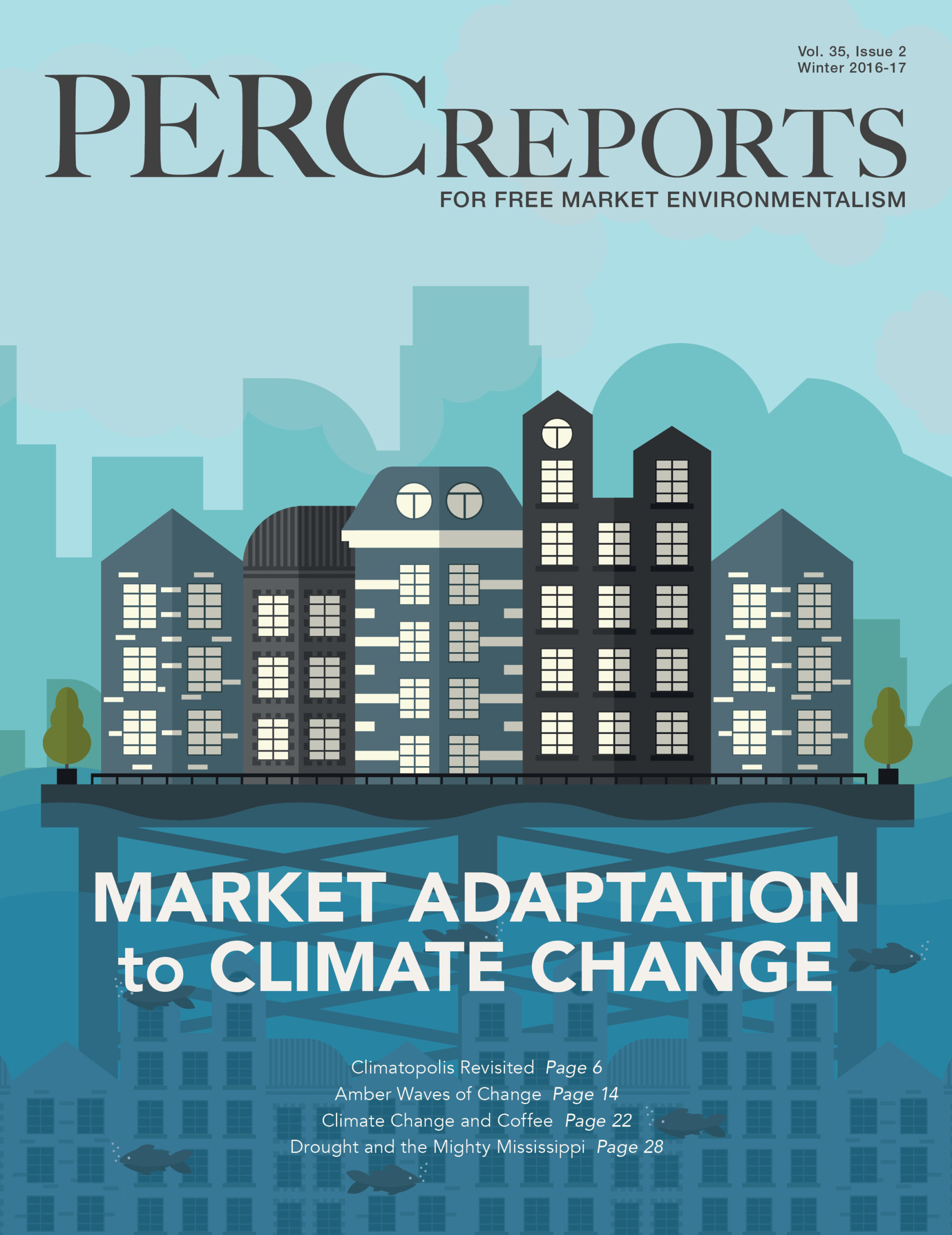
Even though carbon emissions from U.S. power generation are at a 25-year low, thanks in part to fracking and cheap natural gas, global atmospheric concentrations of carbon dioxide are steadily increasing. The reality is that climate change is what some have called a “wicked problem”—solving it on a global scale would be economically devastating, politically unattainable, and practically impossible. That leaves us with the theme of this special issue of PERC Reports: adaptation. The real challenge is to avoid policies that distort prices, make society poorer, or prevent markets from adapting. Trade barriers, immigration restrictions, federal flood insurance, agricultural subsidies, and zoning regulations each impose obstacles to climate adaptation. This special issue challenges how we think about climate change and highlights the importance of markets and property rights in helping us adapt to our ever-changing world.
IN THIS ISSUE
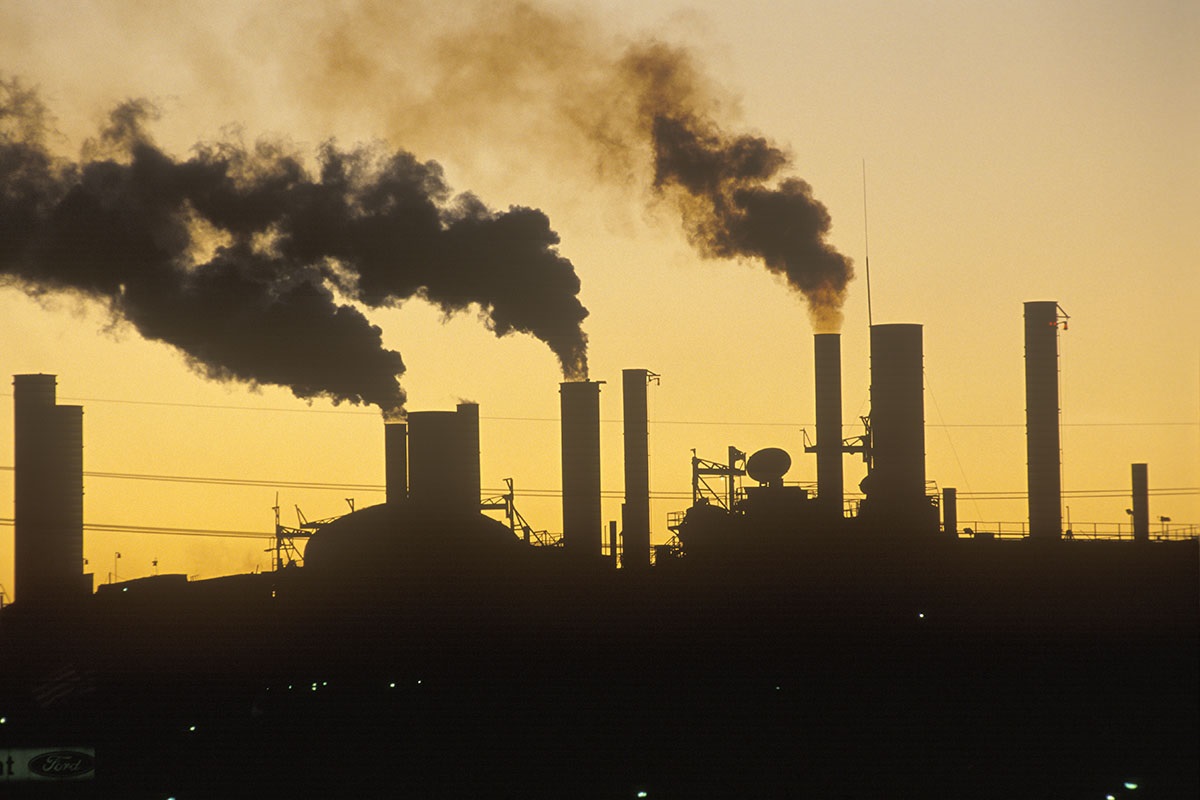
The Hole in the EPA’s Ozone Regulations
The EPA's past efforts to limit ozone emissions backfired. Will its new regulations actually work this time?
Read more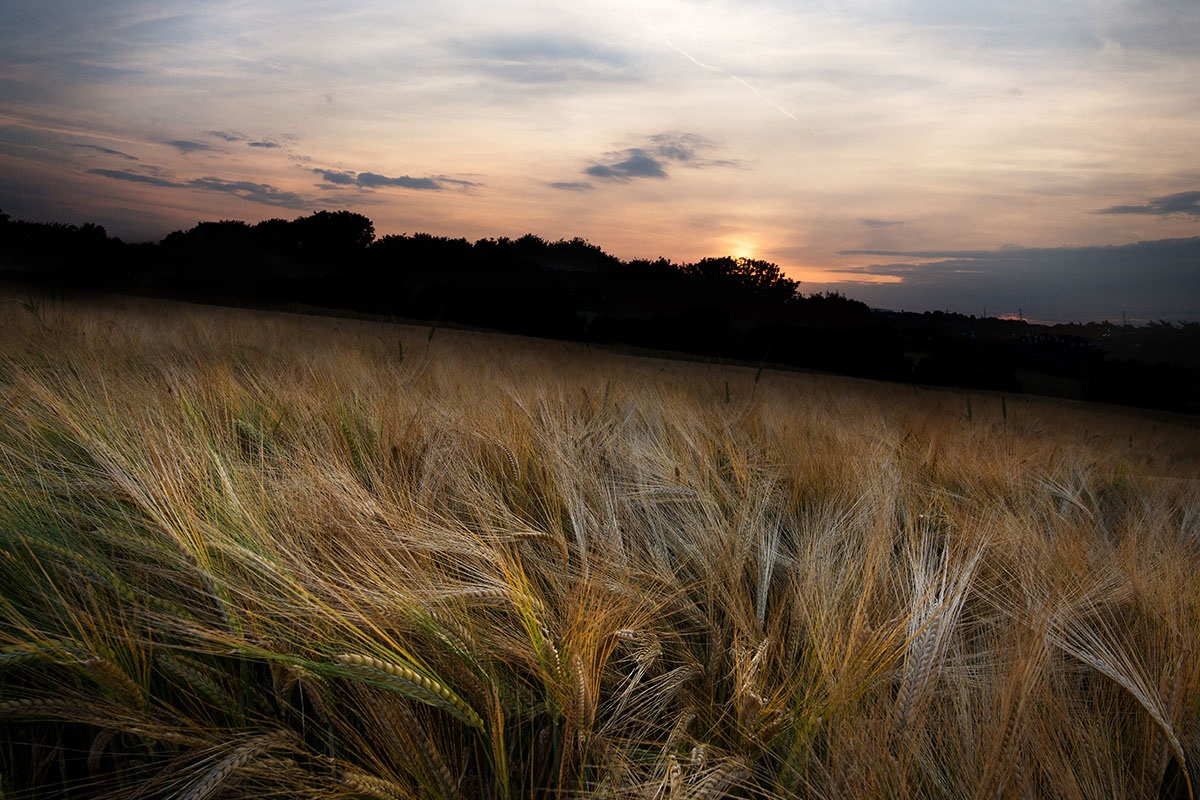
Amber Waves of Change
The historical record offers considerable insight into the adaptability of agriculture to climatic challenges.
Read more
Dominion Over the Unicorn
Informal tenure and rights-based fishing in nearshore waters offer a more positive outcome to the no-longer-tragic “commons” of the ocean.
Read more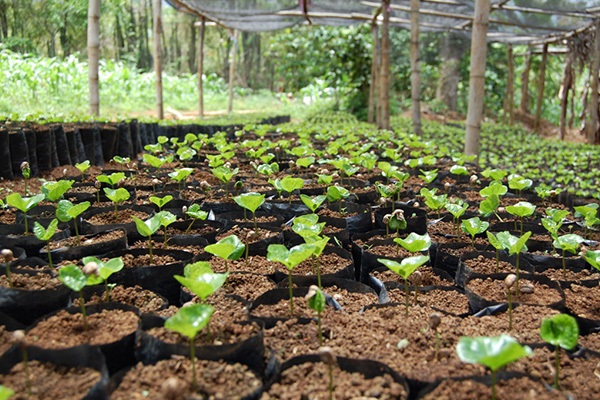
A Shot of Climate Change With Your Morning Coffee
What Haiti reveals about the adaptation challenges that face the global coffee sector.
Read more

A Climate Without Borders
How free trade and free migration can help us adapt to climate change.
Read more
Climatopolis Revisited
How free markets and urban growth facilitate climate change adaptation.
Read more
PERC Reports: Market Adaptation to Climate Change
This special issue of PERC Reports explores how markets can help us adapt to climate change now and in the future.
Read more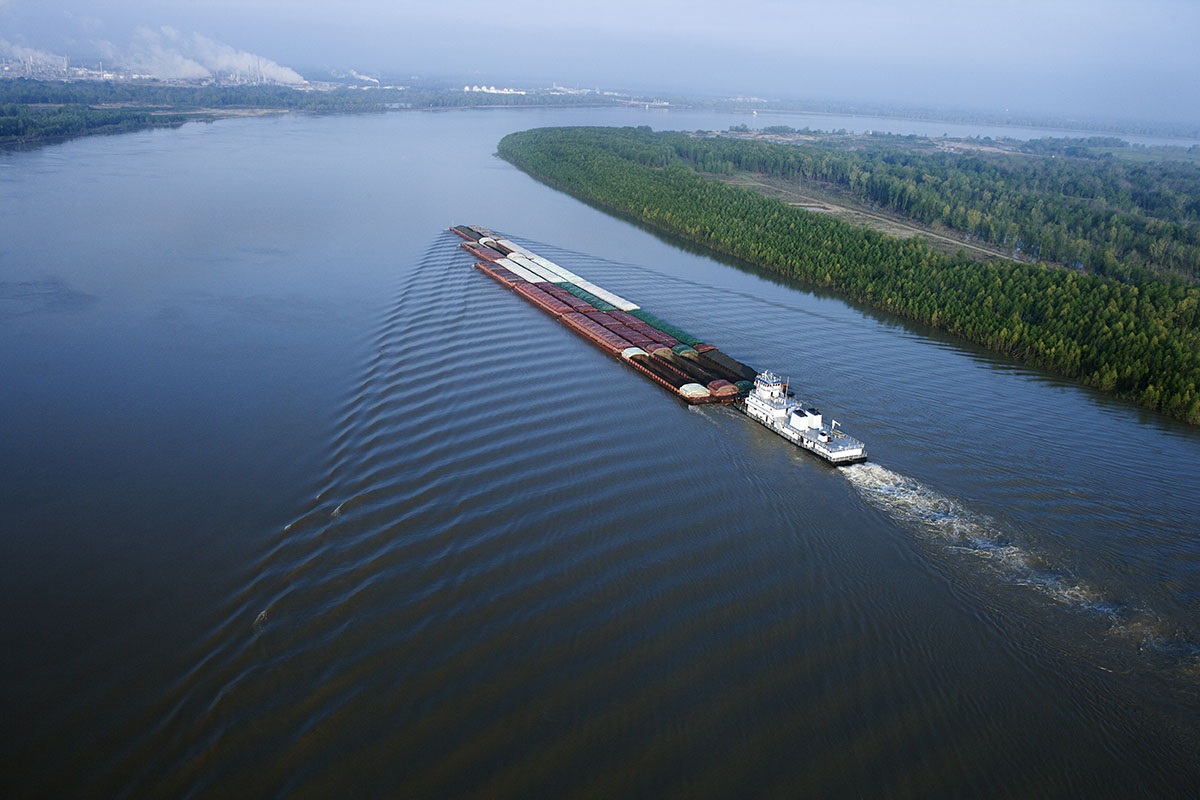
Drought and the Mighty Mississippi
Why financial adaptations could be just as important as physical adaptations to climate change.
Read more