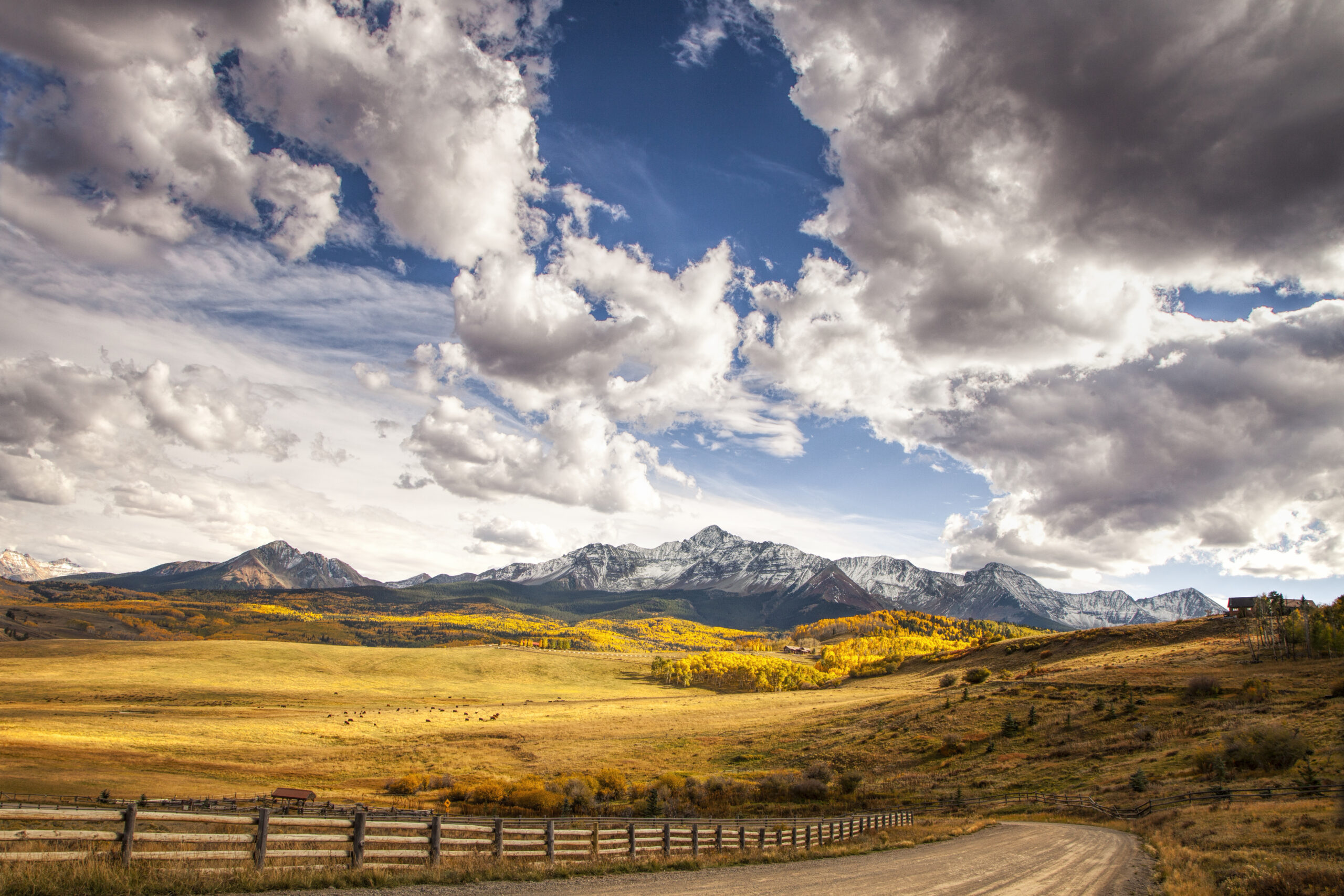
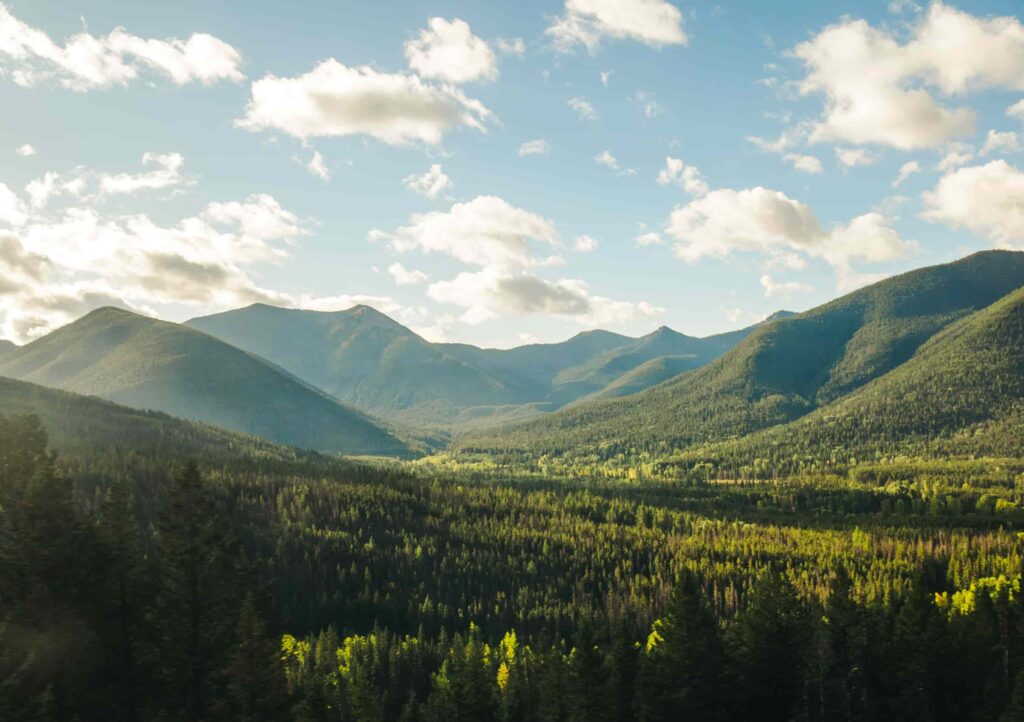
As America approaches its 250th anniversary, it’s natural to reflect on our nation’s founding through its political ideals: individual liberty and equality, constitutional government, and individual rights. But these ideals did not emerge in the abstract, nor were they implemented in a vacuum. They were shaped in a diversity of landscapes, quite unlike the terrain of the British Isles from which our founders’ forebears came. The colonists who participated in the American Revolution and attended the Continental Congress grew up on a vast continent of forests, rivers, mountains, and grasslands teeming with wildlife. It was simultaneously Edenic and treacherous, generous and unforgiving.
Before Americans were codifying freedom as a political principle in the Constitution, they lived it in practice on an immense and often unrelenting landscape. Land had to be cleared and worked. Rivers had to be navigated. Wildlife and water were sources of sustenance, risk, and discovery. These conditions cultivated habits of initiative, resilience, and self-direction. They also exposed difficult questions that the young nation could not immediately resolve: who would enjoy the opportunities afforded by this vast continent, who would bear the costs of its settlement, and what would freedom ultimately require? The American landscape was not merely the setting for the nation’s ideals—it was where many of its deepest tensions and contradictions first became impossible to ignore.
When Alexis de Tocqueville traveled through the United States in the 1830s, he recognized how this land instilled a restless spirit. In Democracy in America, he observed: “The Americans live in a land of wonders, in which everything is in constant motion … No natural boundary seems to be set to the efforts of man … the forest recedes and the wilderness falls back before him.”
But Tocqueville’s deeper insight was that the landscape itself had helped shape Americans into a people defined by energy, ambition, and a belief in self-direction. In the United States, he wrote, “the spirit of enterprise is carried to a degree which has no parallel.” The American landscape did not simply provide resources for the republic—it helped form the kind of hardworking, ambitious citizens the republic required.
Forged by the Frontier
America’s founders and early citizens realized that the abundant yet harsh land would shape their new nation. They saw the opportunity that the land offered to those willing to work, explore, and settle it.
In an essay written in 1751, over a generation before the American Revolution, Benjamin Franklin described the plentifulness: “So vast is the Territory of North America, that it will require many Ages to settle it fully … Europe is generally full settled … but in America there is still room enough.” Thomas Jefferson made a similar observation, adding to it his belief that working this abundant land could be a path toward virtue. In his Notes on the State of Virginia, he explained: “In Europe the lands are either cultivated, or locked up against the cultivator … But we have an immensity of land … Those who labour in the earth are the chosen people of God, if ever he had a chosen people, whose breasts he has made his peculiar deposit for substantial and genuine virtue.” One doesn’t have to accept Jefferson’s full agrarian ideal to acknowledge that land stewardship would form a unique type of citizen.
Farming was just one way that Americans were shaped by the land. George Washington started as a surveyor, crisscrossing Virginia’s Blue Ridge Mountains and Shenandoah Valley, the Ohio River Valley, and parts of what are now Pennsylvania and West Virginia. He spent over a decade navigating, observing, measuring, and fighting in this rugged terrain. These experiences cultivated endurance, initiative, and ambition that would later define both himself and the republic he helped build. For Washington, the untamed western lands he explored were not merely territory to govern; they were the source of the opportunity and independence that distinguished America from Europe.
With these experiences, Washington saw that others would benefit from similar encounters with wilderness. “The extensive and fertile regions of the West,” he wrote in a 1783 letter, “will yield a most happy asylum to those who, from distress or necessity, may be driven from the more crowded parts of the Union.” And it wasn’t long before the country would heed Washington’s call.
Few examples better captured the relationship between wilderness and the American character than the expedition led by Meriwether Lewis and William Clark. Sent westward only a generation after independence, it embodied a young republic convinced that liberty meant not only self-government, but also the freedom to venture into unknown places and possibilities. Moving by river and flanked by immense forests, plains, and mountains, the expedition encountered landscapes and wildlife that stretched the imagination of the early republic.
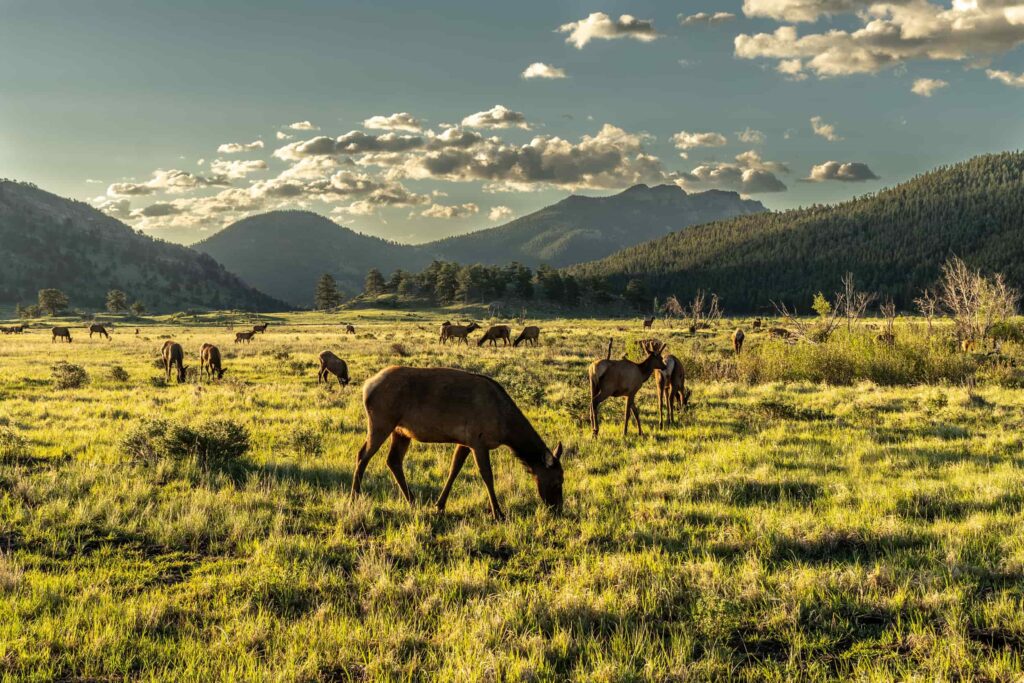
Lewis and Clark’s journals documented enormous herds of bison and elk, countless grizzlies, salmon-filled rivers, and seemingly endless horizons. Their journals reinforced the distinctly American belief that opportunity lay beyond established boundaries—if Americans were willing to work for it.
As Americans moved westward, freedom was being learned outdoors as it was being articulated in fledgling political institutions. Hunting, fishing, farming, and frontier-living generally demanded skill, observation, patience, and self-reliance. Meanwhile, continued conflict with Native Americans and the expansion of slavery tested the founders’ claims of liberty and equality.
Thriving on this land required initiative and competence, but it also demanded an enduring relationship with land, water, and wildlife. These experiences shaped a national character oriented toward exploration, resilience, and self-direction. Liberty was not merely an abstract right; it was an experience forged in daily encounters on a vast and often unforgiving landscape.
Stewards of Liberty
The challenge facing the United States today is not the same one that confronted settlers, surveyors, or explorers two centuries ago. Early Americans struggled to survive and build a civilization. Modern Americans face a different danger: losing access to the kinds of open, inspiring landscapes that once shaped our national character in the first place, and in which our predecessors wrestled with the full implications of freedom.
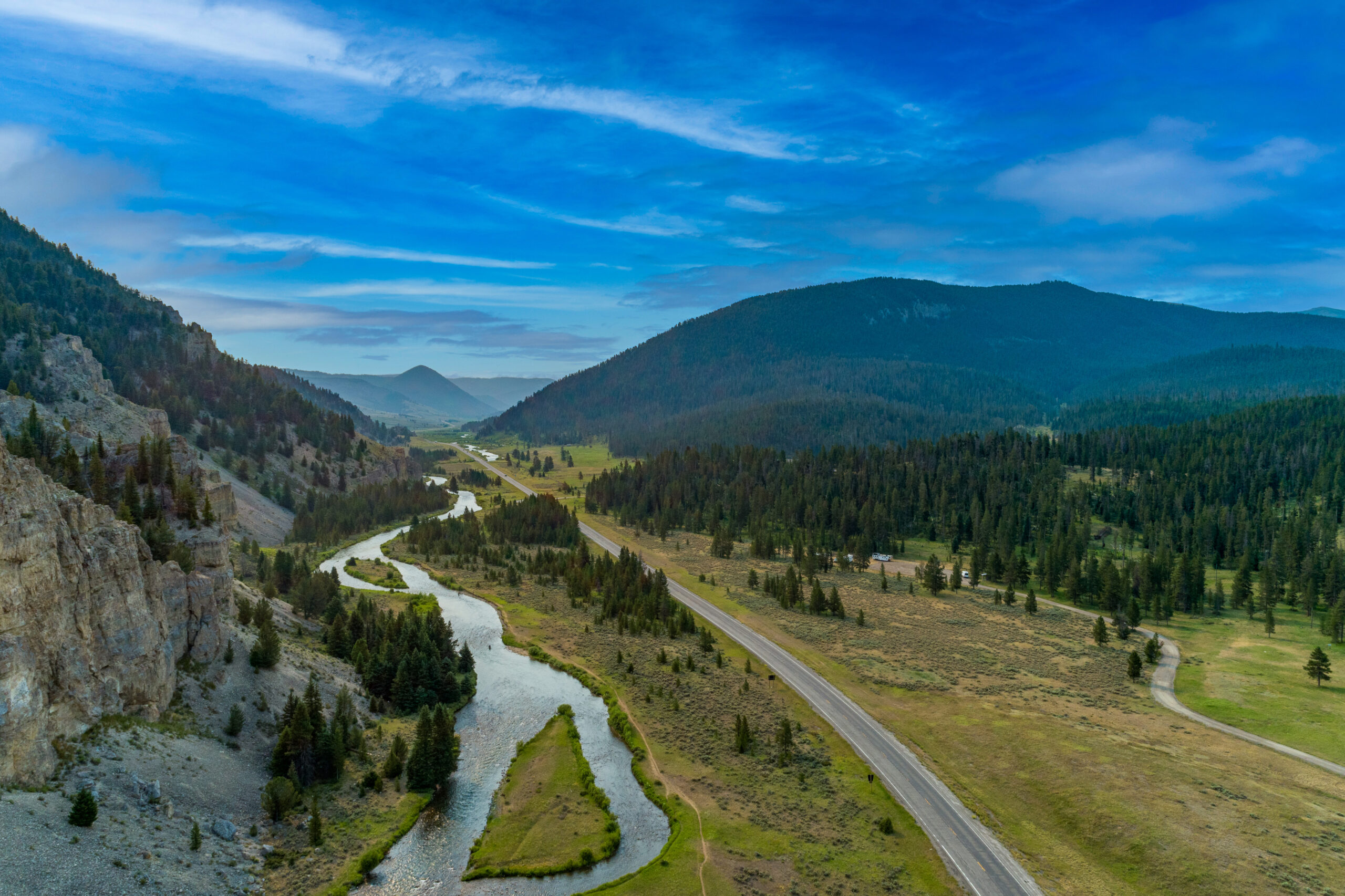
That loss is not merely physical; it is civic and cultural. Many of the forests Lewis and Clark traversed, the rivers that sustained frontier communities, and the abundant wildlife that once defined the American experience are under pressure. Diminished wildlife populations, degraded watersheds, overgrown forests, and strained national parks make it harder for Americans to experience the wonder, challenge, and responsibility that wild places uniquely cultivate.
These pressures persist despite decades of expanding conservation efforts. Too often, those efforts have sought to separate people from nature, rather than recognize and embrace the reality that the people who live, work, hunt, fish, ranch, farm, and recreate are some of our country’s preeminent conservationists. In trying to protect nature from people, many policies have instead excluded people from the experiences that foster stewardship in the first place. But nature is not static, and people have always been a part of it, shaping it for good or ill. A more robust conception of conservation recognizes that people can damage or improve the ecosystems they inhabit, but they cannot be separated from them.
Forests grow excessively dense and then burn catastrophically because active management is discouraged. Rivers and reservoirs become sources of conflict rather than stewarded resources due to a lack of clear and transferable rights. At-risk species stagnate thanks in part to policies that treat landowners as adversaries rather than assets. National parks deteriorate because often their budgets cater more to politics than to visitors—the very people whose enjoyment of these incredible destinations can inspire future generations of conservationists.
It doesn’t have to be this way. Conservation succeeds when people see themselves not as adversaries of nature, but as participants in its flourishing. The same landscapes that cultivated resilience, initiative, humility, and exploration in earlier generations can still shape Americans today—if they remain accessible and ecologically rich.
As the United States enters its next 250 years, conserving our land, water, and wildlife means more than protecting scenery or biodiversity. It includes preserving the experiences that help form a free and self-governing people. And it requires a conservation ethos grounded not in mere preservation, but in stewardship: one that aligns incentives, rewards responsible management, empowers local knowledge, and recognizes that human prosperity and ecological health are often mutually reinforcing rather than in opposition.
America’s landscapes helped shape the nation’s understanding of opportunity, exploration, and liberty. The task now is to ensure that future generations can still encounter those same lessons in forests, rivers, mountains, and grasslands that remain vibrant enough to teach them.